Antique microscope brass
1344×768 · AVIF · CC BY 4.0
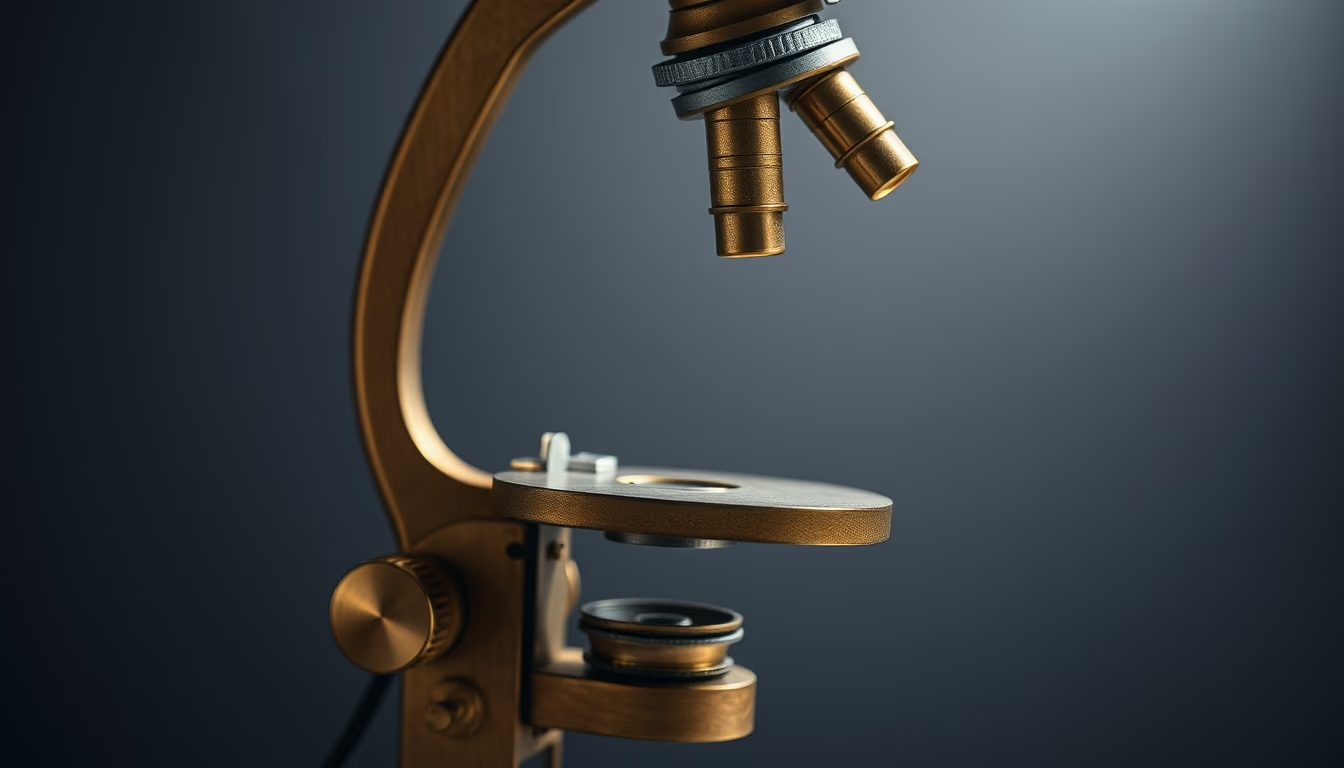
The antique brass microscope is a scientific instrument that revolutionized biology in the 19th century, combining optical precision with metal craftsmanship.
About this subject
Brass microscopes from the 19th century represent a milestone in the history of science, allowing detailed observations of cells, bacteria, and tissues that were previously invisible to the naked eye. Handcrafted by opticians and silversmiths in England, France, and Germany, these instruments combined high-quality glass lenses with polished brass structures, a material resistant to corrosion and easy to machine. Models such as Joseph Jackson Lister's compound microscope (1830) and Robert Koch's microscope (1880) used brass to ensure stability and durability. Brass also enabled ornamental finishes, with engravings and decorative screws, reflecting the owner's status.
The popularization of the brass microscope coincided with the Industrial Revolution and advances in optical microscopy. Scientists like Louis Pasteur and Robert Koch used these instruments to establish the germ theory of disease, transforming medicine. Mass production, especially by the German company Carl Zeiss from 1850 onward, democratized access, but antique brass models are still prized by collectors. A curiosity: many 19th-century microscopes had a concave mirror under the stage to reflect natural light, as electricity was not available.
Today, antique brass microscopes are museum objects and collector's items, with well-preserved specimens fetching thousands of dollars at auctions. They also serve as educational tools, demonstrating technological evolution. Famous brands include Bausch & Lomb, Leitz, Spencer, and Swift. Maintaining these instruments requires careful handling of brass, which can oxidize over time, forming a characteristic patina. Restorers use specific techniques for cleaning without damaging original parts.
Frequently Asked Questions
What is the difference between an antique brass microscope and a modern one?
Antique brass microscopes used simple or compound lenses with chromatic aberrations, while modern ones have corrected lenses and electric lighting. Brass was replaced by aluminum and plastic to reduce weight and cost.
How to identify an original 19th-century brass microscope?
Look for brands like Bausch & Lomb, Carl Zeiss, Leitz, or Spencer, as well as hand engravings, brass screws, and stability. Dark patina and uniform wear indicate authenticity.
What is the value of an antique brass microscope?
The value ranges from a few hundred to tens of thousands of dollars, depending on condition, rarity, and brand. Complete models with original case and accessories are more valuable.
Direct URL
https://pub-c7d6a6ea828543ac903a74a341ccb2e1.r2.dev/imagens/antique-microscope-brass-studio-still-life-p5.avifHow to credit
Include a visible link back to UtilizAí. Copy one of the snippets below:
<a href="https://xn--utiliza-eza.com/en/midia/imagens/antique-microscope-brass-studio-still-life-p5">Antique microscope brass</a> by <a href="https://xn--utiliza-eza.com">UtilizAí</a>, licensed under <a href="https://creativecommons.org/licenses/by/4.0/">CC BY 4.0</a>.
[Antique microscope brass](https://xn--utiliza-eza.com/en/midia/imagens/antique-microscope-brass-studio-still-life-p5) by [UtilizAí](https://xn--utiliza-eza.com), CC BY 4.0
License: CC-BY-4.0