Antique books library
1344×768 · AVIF · CC BY 4.0
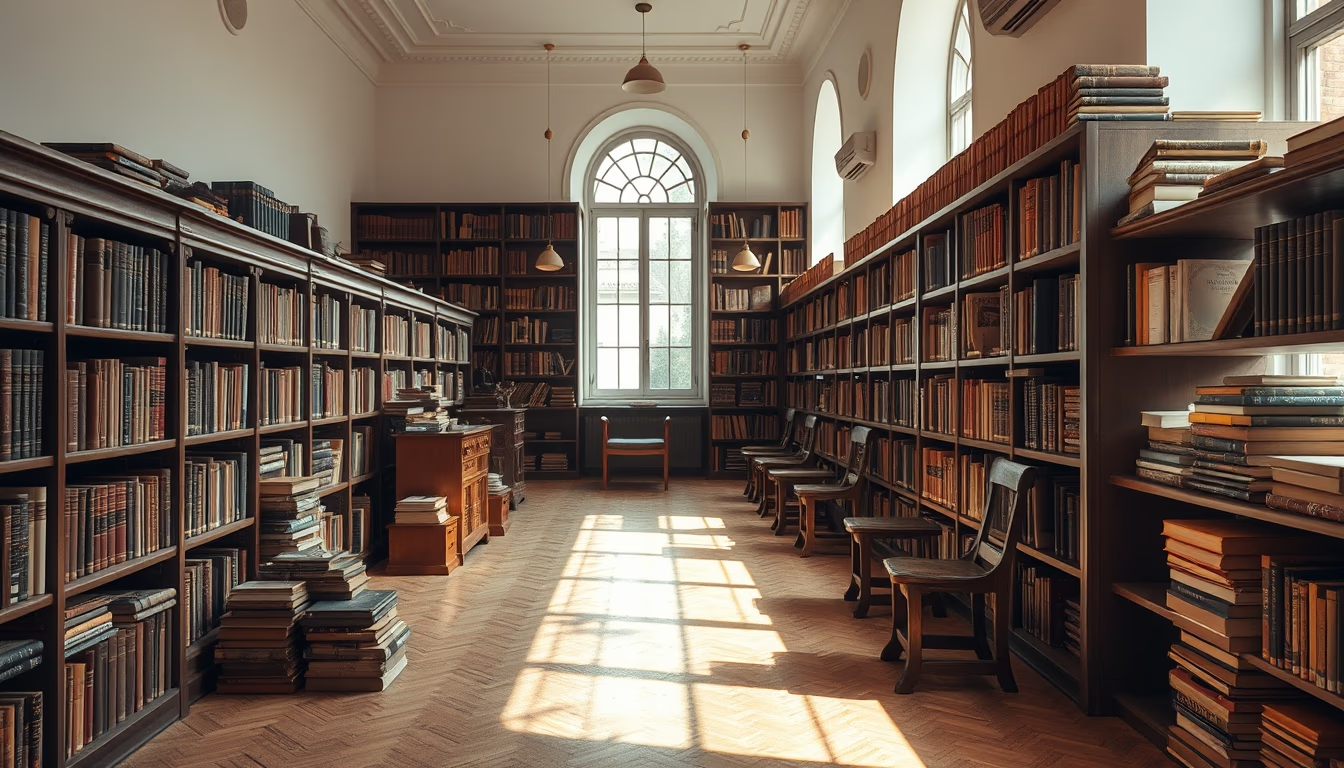
Uma biblioteca repleta de livros antigos e raros, cada volume carregando séculos de conhecimento e história.
Sobre o tema
Os livros antigos são testemunhos da evolução do pensamento humano, preservando desde tratados filosóficos da Grécia Antiga até os primeiros registros da ciência moderna. Eles não são apenas objetos de leitura, mas artefatos históricos que contam sobre técnicas de impressão, papéis artesanais e encadernações meticulosas. Muitas dessas obras estão abrigadas em bibliotecas históricas ao redor do mundo, como a Biblioteca do Congresso nos Estados Unidos, a Bibliothèque nationale de France em Paris e a Real Biblioteca Portuguesa no Rio de Janeiro, que possuem acervos com exemplares que datam dos séculos XV e XVI.
O valor de um livro antigo vai além de sua idade. Fatores como raridade, estado de conservação, importância do conteúdo e proveniência (quem o possuiu) influenciam diretamente seu preço no mercado de antiguidades. Obras como a Bíblia de Gutenberg, impressa por volta de 1455, são consideradas tesouros nacionais e raramente aparecem em leilões públicos. Mesmo volumes menos célebres, como edições originais de Machado de Assis ou Euclides da Cunha, podem alcançar cifras altas se estiverem em bom estado.
A conservação dessas relíquias é um desafio constante. Fatores como umidade, luz solar e pragas (como brocas e traças) podem deteriorar o papel e a encadernação. Bibliotecas especializadas utilizam técnicas de restauro que incluem limpeza a seco, desacidificação do papel e refúgio em câmaras climatizadas. Para colecionadores particulares, recomenda-se manter os livros em estantes com vidro, longe de fontes de calor e com controle de temperatura e umidade.
No Brasil, a Biblioteca Nacional no Rio de Janeiro possui um dos maiores acervos de obras raras da América Latina, com exemplares como a Carta de Pero Vaz de Caminha e primeiras edições de autores brasileiros. Além disso, bibliotecas universitárias, como a da Universidade de São Paulo, também mantêm coleções valiosas acessíveis a pesquisadores. A valorização desses livros vai além do aspecto financeiro; eles são memória viva da humanidade.
Perguntas frequentes
Como identificar um livro antigo original?
Verifique a data de publicação, o tipo de papel (geralmente mais encorpado e com marcas d'água), a encadernação (costurada à mão em livros antigos) e a presença de colofão. Compare com edições conhecidas e consulte um especialista se houver dúvidas.
Quais são as bibliotecas mais famosas do mundo com livros antigos?
Destacam-se a Biblioteca do Congresso (EUA), a Biblioteca Nacional da França, a Biblioteca Britânica, a Biblioteca Apostólica Vaticana e a Biblioteca Nacional do Brasil. Também são notáveis bibliotecas de mosteiros, como a de São Gallen, na Suíça.
O que torna um livro antigo valioso?
A raridade, o estado de conservação, a importância histórica ou literária, a proveniência (se pertenceu a alguma figura famosa) e as características físicas, como ilustrações originais, encadernação especial e assinaturas do autor.
URL direta
https://pub-c7d6a6ea828543ac903a74a341ccb2e1.r2.dev/imagens/antique-books-library-minimalist-composition-p7.avifComo creditar
Inclua um link visível de volta pro UtilizAí. Copie um dos snippets abaixo:
<a href="https://xn--utiliza-eza.com/midia/imagens/antique-books-library-minimalist-composition-p7">Antique books library</a> by <a href="https://xn--utiliza-eza.com">UtilizAí</a>, licensed under <a href="https://creativecommons.org/licenses/by/4.0/">CC BY 4.0</a>.
[Antique books library](https://xn--utiliza-eza.com/midia/imagens/antique-books-library-minimalist-composition-p7) by [UtilizAí](https://xn--utiliza-eza.com), CC BY 4.0
Licença: CC-BY-4.0