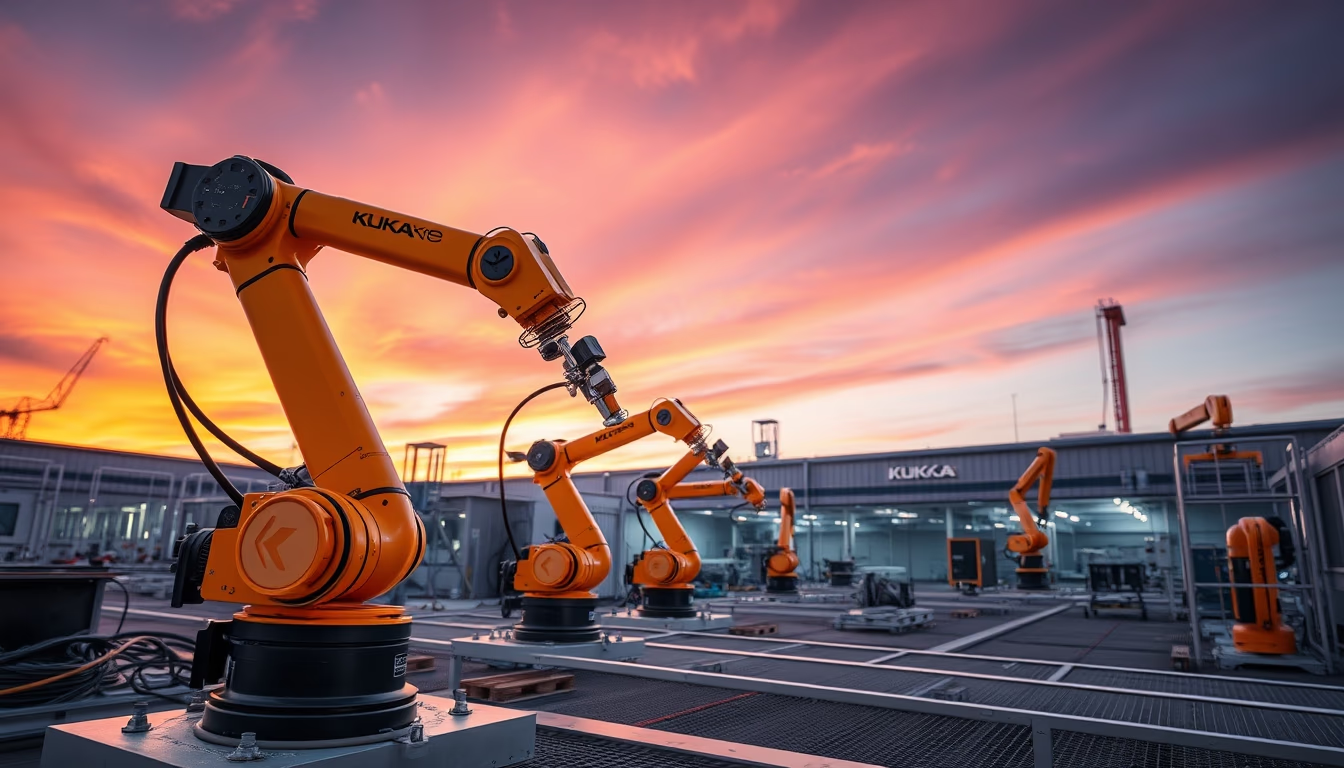
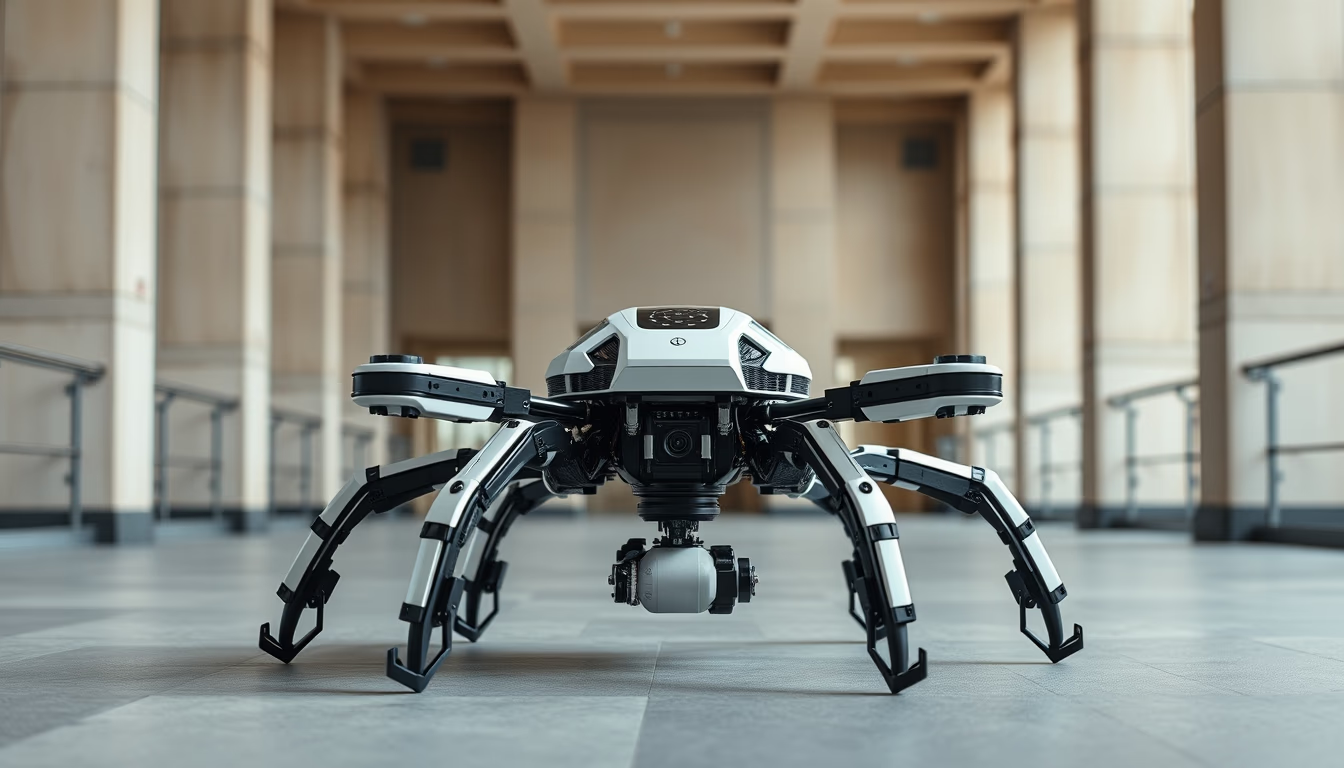
Agricultural robot field
1344×768 · AVIF · CC BY 4.0
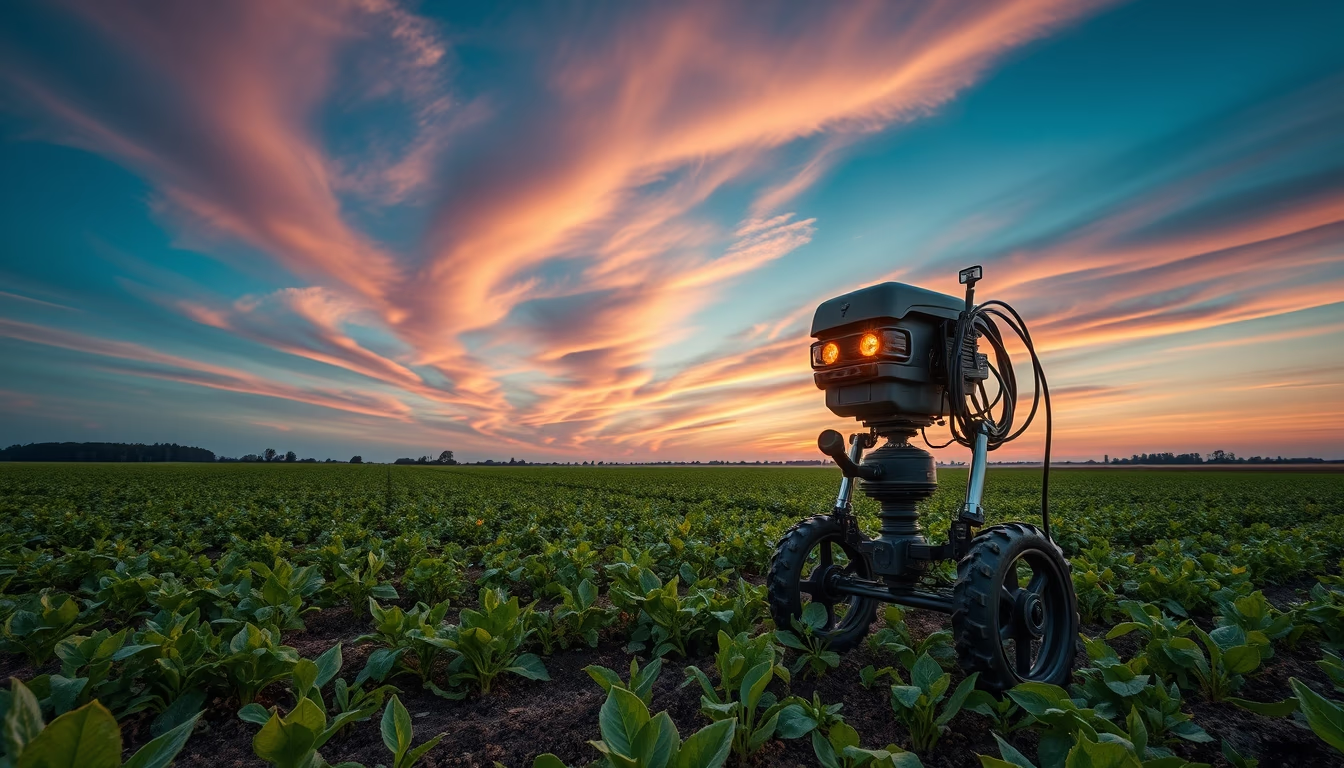
Autonomous agricultural robots are transforming food cultivation with precision and sustainability, reducing pesticide use and boosting field productivity.
About this subject
Agricultural robots are revolutionizing precision farming. Equipped with sensors, cameras, and artificial intelligence algorithms, these autonomous vehicles can perform tasks such as planting, irrigation, targeted fertilizer application, and selective harvesting. Unlike traditional tractors, they operate 24/7 with centimeter-level accuracy, reducing input waste and environmental impact.
In Brazil, the adoption of agricultural robots is growing rapidly, especially in soy, corn, and sugarcane crops. Companies like the Brazilian Solinftec and American John Deere have developed robotic platforms that monitor fields in real time, identifying pests and nutrient deficiencies. The global agricultural robotics market is projected to exceed US$20 billion by 2025, driven by the need to feed a growing population with fewer resources.
A notable example is the 'Weedbot' robot, which uses computer vision to distinguish weeds from crops and eliminates them with precise herbicide jets, reducing chemical use by up to 90%. Other models, like the 'Harvest CROO', autonomously pick strawberries, assessing ripeness by color and texture. Beyond efficiency, these robots help mitigate rural labor shortages, a critical issue in agricultural regions.
Integration with drones and satellites allows robots to receive real-time prescription maps, adjusting operations based on soil and weather conditions. Despite high initial costs, the return on investment is attractive: an agricultural robot can replace 5 to 10 manual laborers, with greater accuracy and less waste. The future points to fully autonomous fleets controlled by centralized AI, making agriculture more sustainable and productive.
Frequently Asked Questions
What are the main benefits of agricultural robots?
Reduction in pesticide use by up to 90%, increased productivity, 24/7 operation, decreased labor needs, and lower environmental impact due to targeted application of inputs.
Are agricultural robots already used in Brazil?
Yes, especially in soy, corn, and sugarcane crops. Companies like Solinftec and John Deere offer robotic solutions for precision monitoring and spraying, with rapid growth in recent years.
How much does an agricultural robot cost and is it worth the investment?
Costs range from US$50,000 to US$200,000, depending on functionality. Returns come from input savings, increased productivity, and reduced labor, with payback estimated between 2 and 4 years.
Direct URL
https://pub-c7d6a6ea828543ac903a74a341ccb2e1.r2.dev/imagens/agricultural-robot-field-long-exposure-p2.avifHow to credit
Include a visible link back to UtilizAí. Copy one of the snippets below:
<a href="https://xn--utiliza-eza.com/en/midia/imagens/agricultural-robot-field-long-exposure-p2">Agricultural robot field</a> by <a href="https://xn--utiliza-eza.com">UtilizAí</a>, licensed under <a href="https://creativecommons.org/licenses/by/4.0/">CC BY 4.0</a>.
[Agricultural robot field](https://xn--utiliza-eza.com/en/midia/imagens/agricultural-robot-field-long-exposure-p2) by [UtilizAí](https://xn--utiliza-eza.com), CC BY 4.0
License: CC-BY-4.0