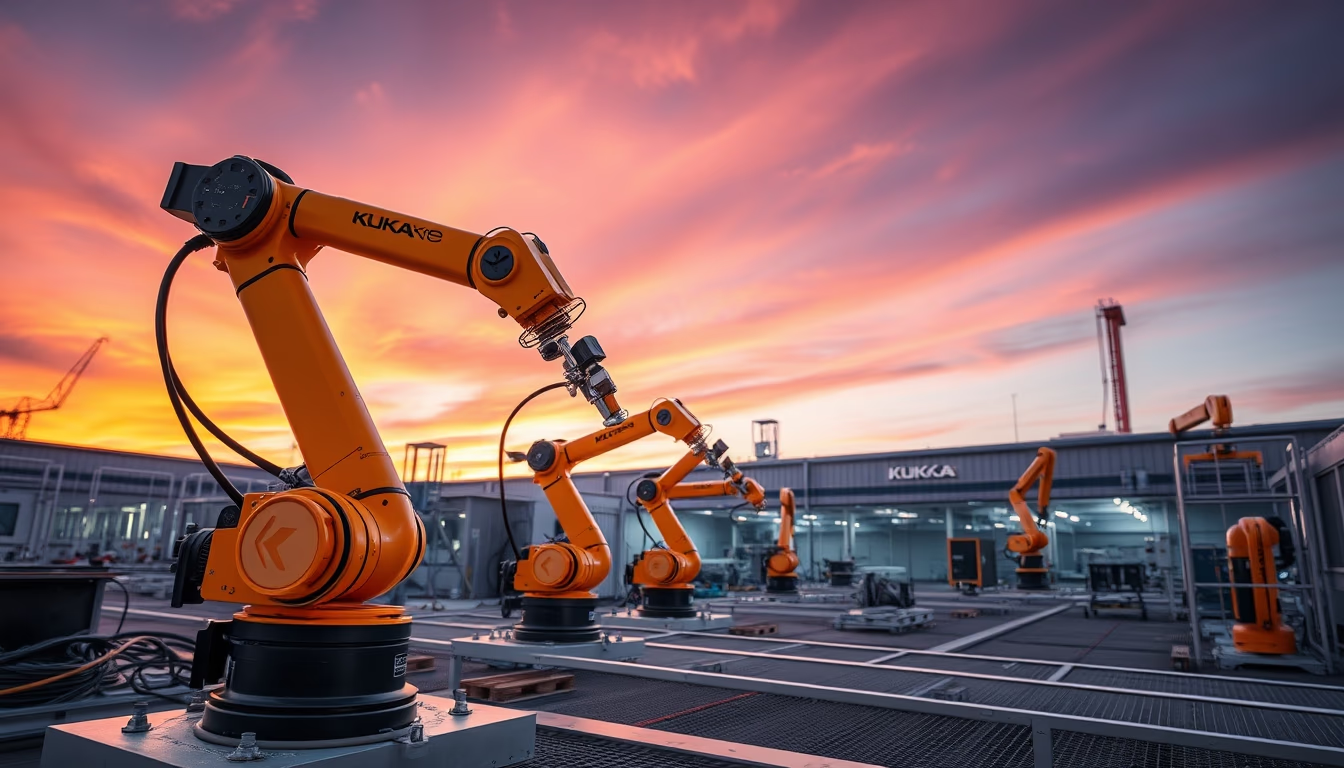
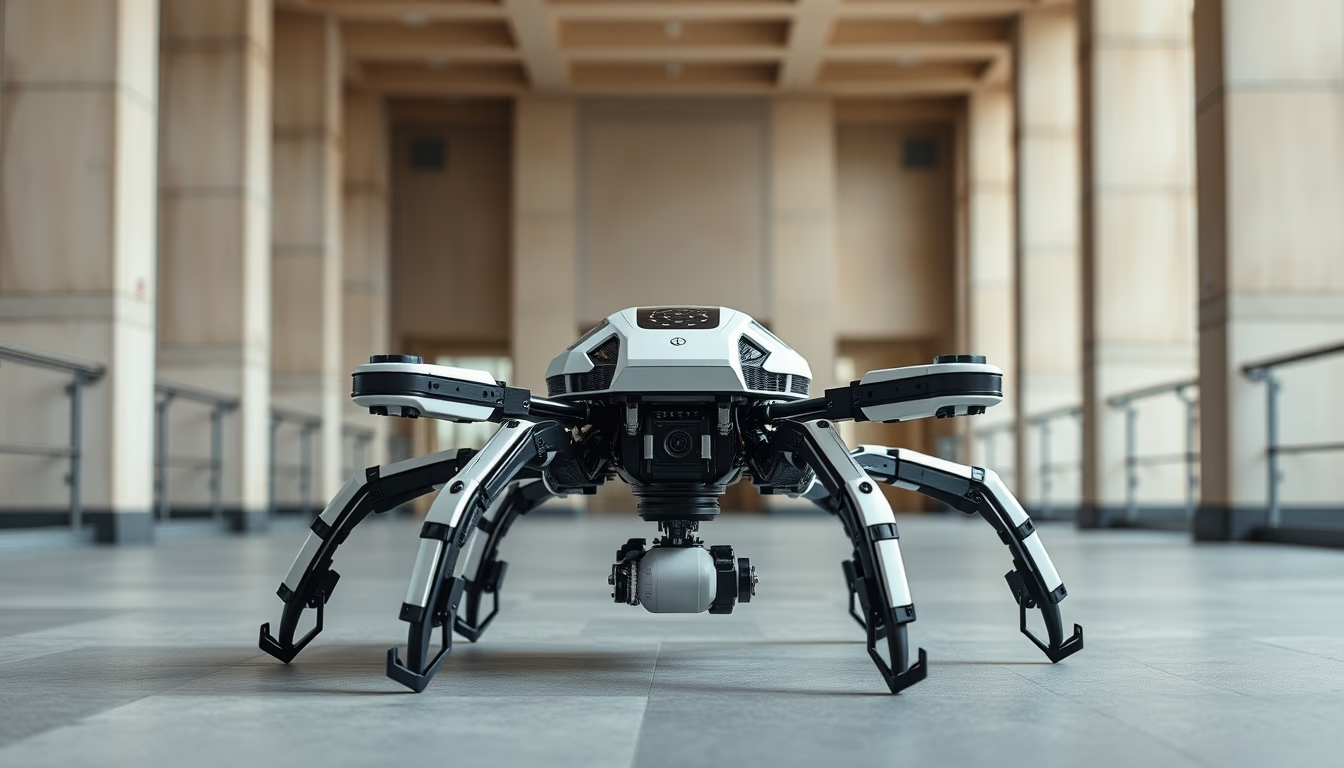
Agricultural robot field
1344×768 · AVIF · CC BY 4.0

Agricultural robots automate tasks like planting and harvesting, boosting efficiency and precision in modern farming.
About this subject
Agricultural robots, or agribots, are autonomous or semi-autonomous machines designed to perform field tasks with high precision. They employ sensors, cameras, GPS, and artificial intelligence to navigate crops, identify weeds, apply fertilizers locally, and harvest fruits at optimal ripeness. This technology reduces waste of inputs like water and pesticides, minimizes soil compaction, as many robots are lightweight and operate on predefined paths.
In Brazil, one of the world's largest agricultural producers, robot adoption is still nascent but growing in crops such as soybeans, corn, and sugarcane. Companies like John Deere offer autonomous tractors that perform planting and spraying with centimeter accuracy. National startups develop robots for crop monitoring using drones and ground vehicles, capable of detecting pests and nutrient deficiencies in real time. The fine art photography of this theme captures not only the machine but the symbiosis between technology and nature.
Beyond efficiency, agricultural robots face challenges such as high acquisition costs, the need for connectivity in rural areas, and regulation of autonomous operations. However, the trend is toward falling prices and increased accessible robotics, especially for family farms. The combination of cheap sensors and machine learning algorithms allows small farmers to also benefit from automation, democratizing access to precision agriculture.
Frequently Asked Questions
How do agricultural robots recognize plants and weeds?
They use cameras with computer vision and multispectral sensors that capture images at different wavelengths. Machine learning algorithms analyze these images to distinguish crops from weeds based on shape, color, and texture.
What are the main environmental benefits of agricultural robots?
They reduce pesticide and fertilizer use by applying them only where needed, minimize soil compaction with lighter machines, and enable no-till farming, which preserves soil organic matter.
Will agricultural robots completely replace human labor in the field?
Not entirely. They automate repetitive and heavy tasks, but still require human supervision for maintenance, programming, and complex decisions. The trend is toward collaboration between humans and machines.
Direct URL
https://pub-c7d6a6ea828543ac903a74a341ccb2e1.r2.dev/imagens/agricultural-robot-field-fine-art-photography-p12.avifHow to credit
Include a visible link back to UtilizAí. Copy one of the snippets below:
<a href="https://xn--utiliza-eza.com/en/midia/imagens/agricultural-robot-field-fine-art-photography-p12">Agricultural robot field</a> by <a href="https://xn--utiliza-eza.com">UtilizAí</a>, licensed under <a href="https://creativecommons.org/licenses/by/4.0/">CC BY 4.0</a>.
[Agricultural robot field](https://xn--utiliza-eza.com/en/midia/imagens/agricultural-robot-field-fine-art-photography-p12) by [UtilizAí](https://xn--utiliza-eza.com), CC BY 4.0
License: CC-BY-4.0