Rebreather scuba modern
1344×768 · AVIF · CC BY 4.0
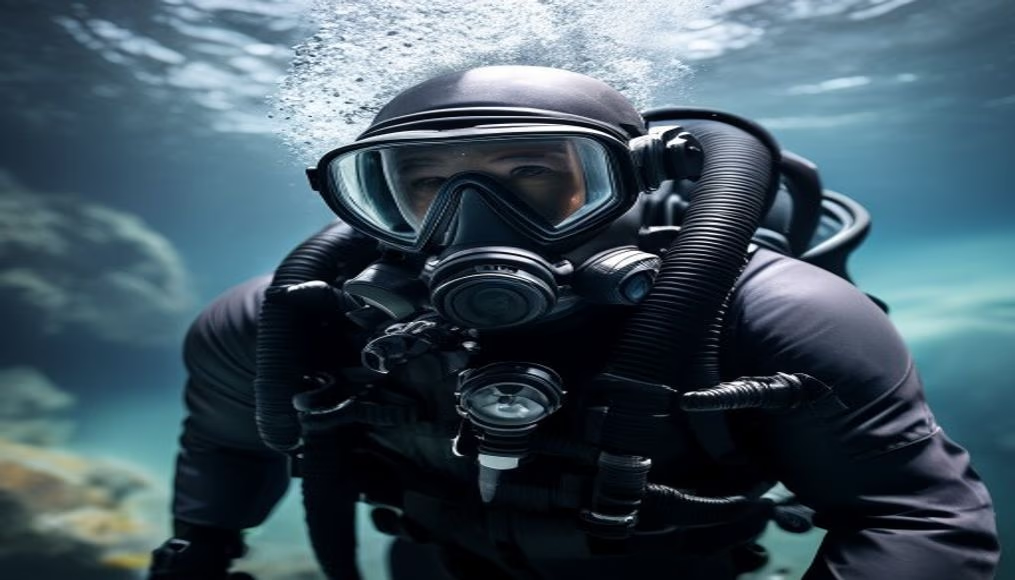
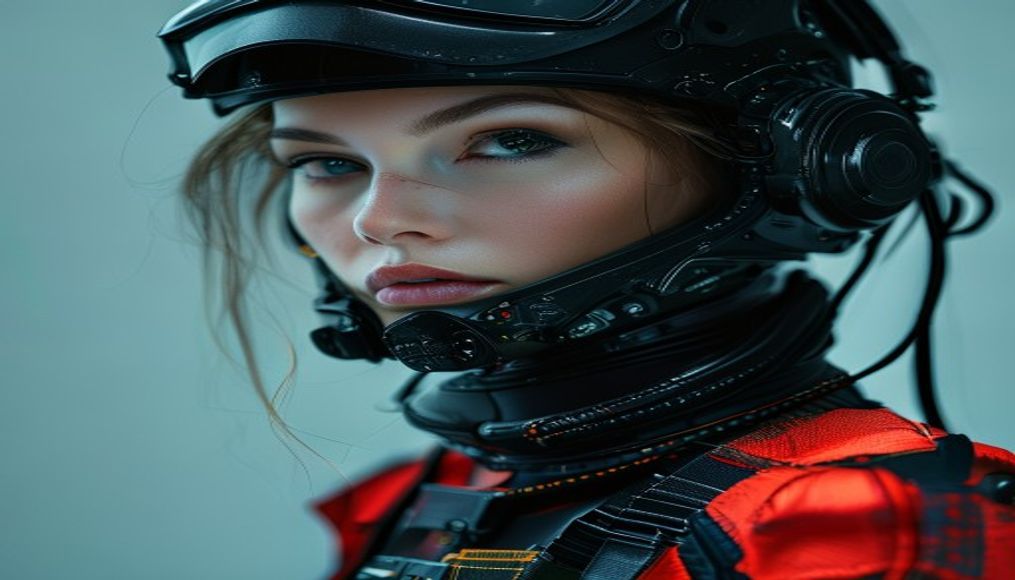
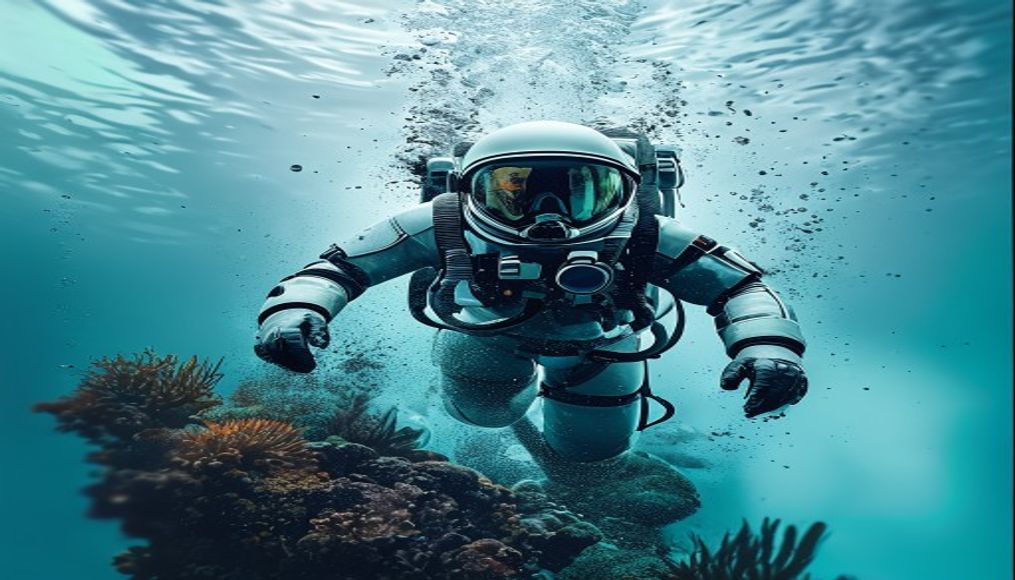
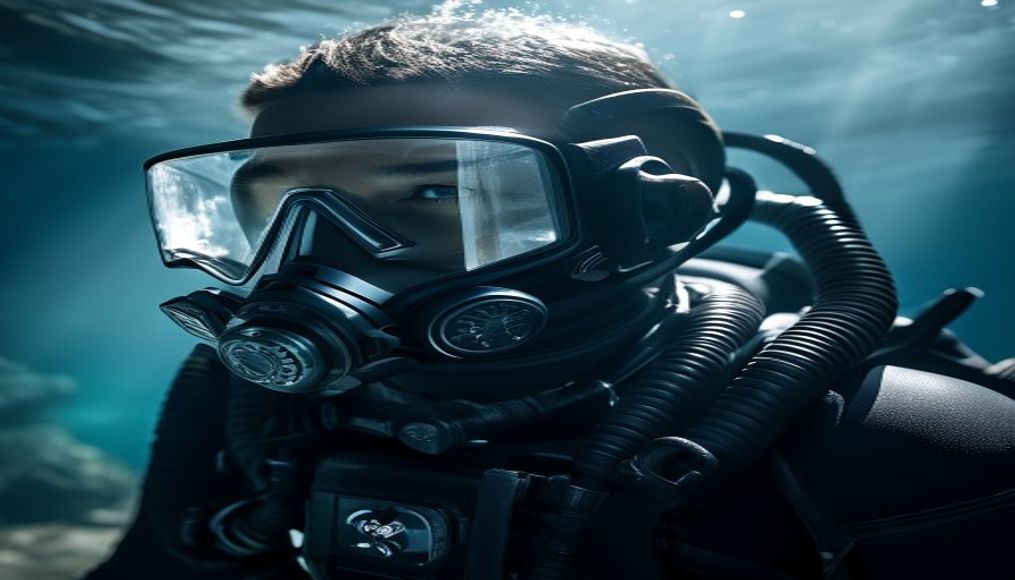
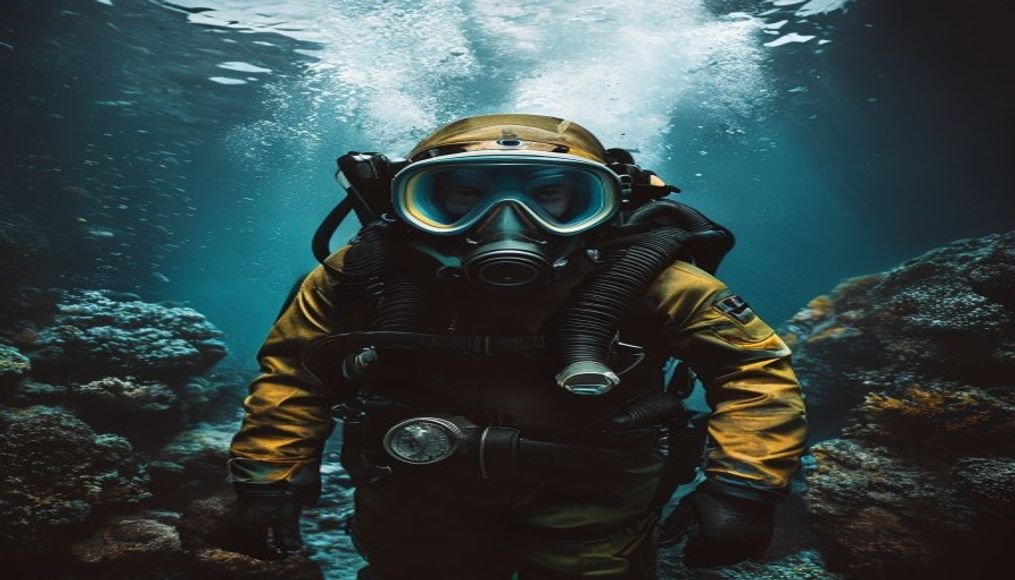
The modern scuba rebreather recycles exhaled air, providing longer endurance and bubble-free diving.
About this subject
The modern scuba rebreather is a closed-circuit diving system that fundamentally differs from conventional open-circuit scuba. Instead of releasing exhaled air into the water, the rebreather captures it, removes carbon dioxide through a chemical absorbent (soda lime), and adds oxygen to maintain a breathable mixture. This process allows divers to stay submerged much longer, use less gas, and produce no bubbles.
Key advantages include extended bottom time, gas efficiency, and stealth, as the absence of bubbles does not disturb marine life and enables closer observation. The ability to precisely control oxygen partial pressure also allows deeper dives and optimized decompression profiles. This makes rebreathers especially popular among technical divers, underwater photographers, and cave explorers.
The equipment consists of one or two counterlungs (which store gas), a canister containing the CO2 absorbent, electronic oxygen sensors, solenoid valves, and a dedicated dive computer. Modern closed-circuit rebreathers (CCRs) use electronics to automatically maintain a safe oxygen partial pressure, reducing the risk of hypoxia or hyperoxia. Semi-closed rebreathers (SCRs) mix fresh gas with recycled gas mechanically.
Historically, the first rebreathers were developed in the 19th century for use in mines and military underwater operations. During World War II, they were used by combat divers. Starting in the 1990s, with the miniaturization of sensors and microprocessors, electronic rebreathers became available for advanced recreational diving.
Frequently Asked Questions
What is the main difference between a rebreather and open-circuit scuba?
A rebreather recycles exhaled air, removing CO2 and replenishing oxygen, while open-circuit scuba releases all exhaled air, consuming much more gas and creating bubbles.
What are the risks associated with using rebreathers?
Main risks include hypoxia (too little oxygen), hyperoxia (too much oxygen), absorbent failure, and electronic malfunction. Specialized training and rigorous maintenance are required.
In which situations are rebreathers most suitable?
They are ideal for deep technical diving, underwater photography, cave exploration, and military operations that require long endurance and stealth.
Direct URL
https://pub-c7d6a6ea828543ac903a74a341ccb2e1.r2.dev/imagens/rebreather-scuba-modern-minimalist-composition-p2.avifHow to credit
Include a visible link back to UtilizAí. Copy one of the snippets below:
<a href="https://xn--utiliza-eza.com/en/midia/imagens/rebreather-scuba-modern-minimalist-composition-p2">Rebreather scuba modern</a> by <a href="https://xn--utiliza-eza.com">UtilizAí</a>, licensed under <a href="https://creativecommons.org/licenses/by/4.0/">CC BY 4.0</a>.
[Rebreather scuba modern](https://xn--utiliza-eza.com/en/midia/imagens/rebreather-scuba-modern-minimalist-composition-p2) by [UtilizAí](https://xn--utiliza-eza.com), CC BY 4.0
License: CC-BY-4.0