Zen tea house rural japan
1344×768 · AVIF · CC BY 4.0
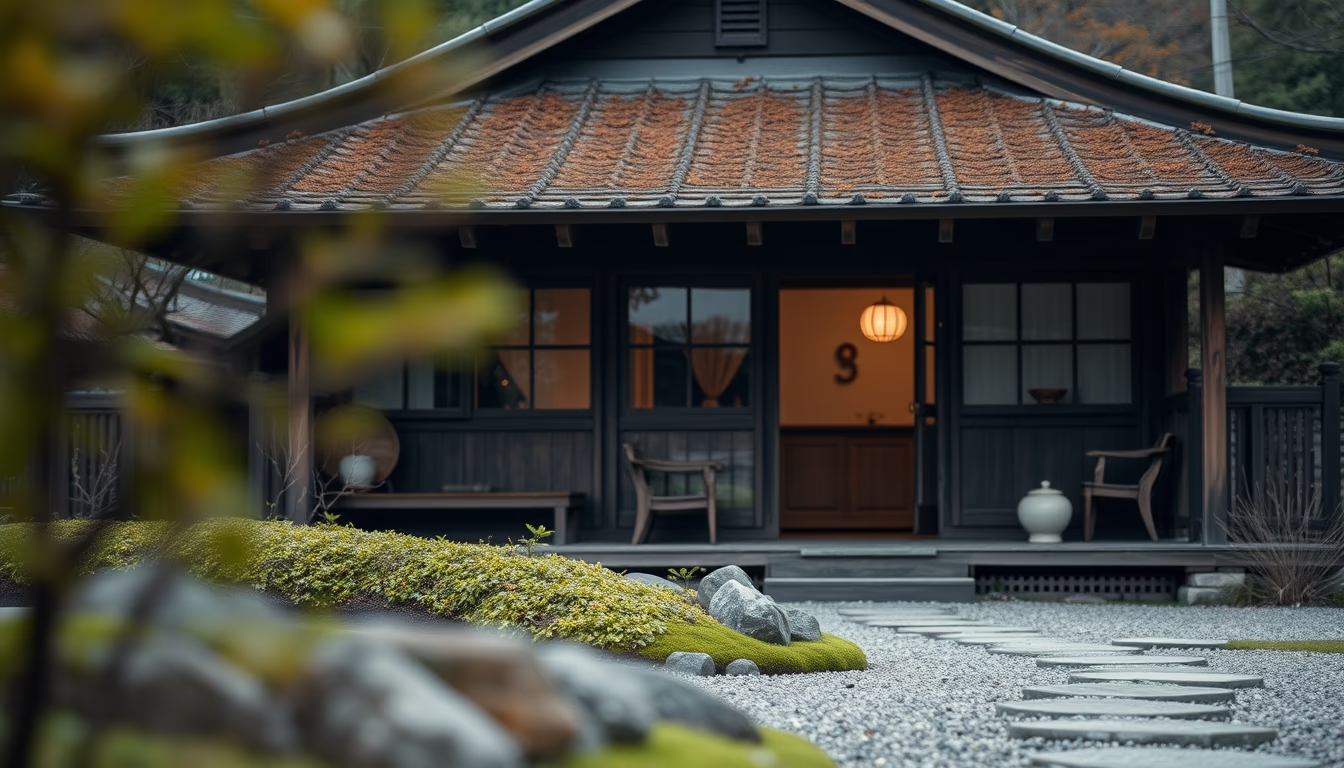
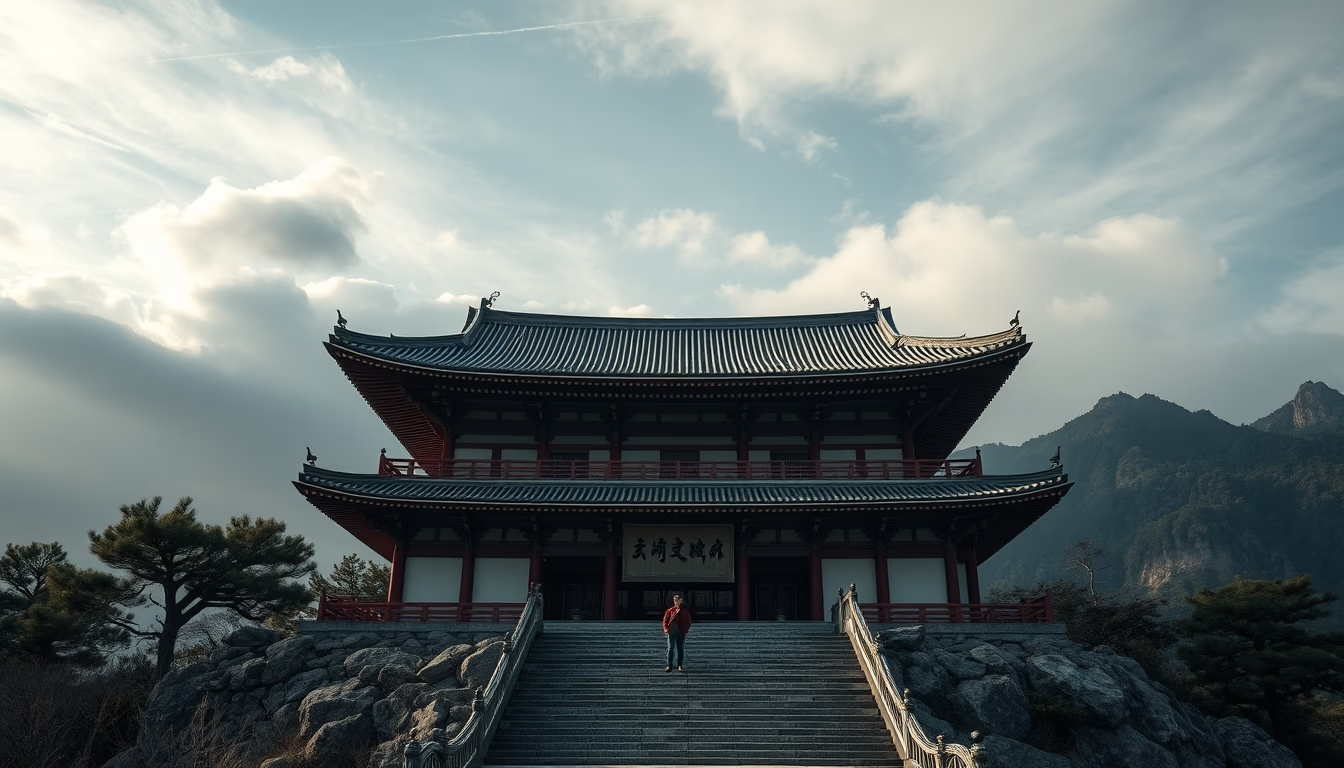
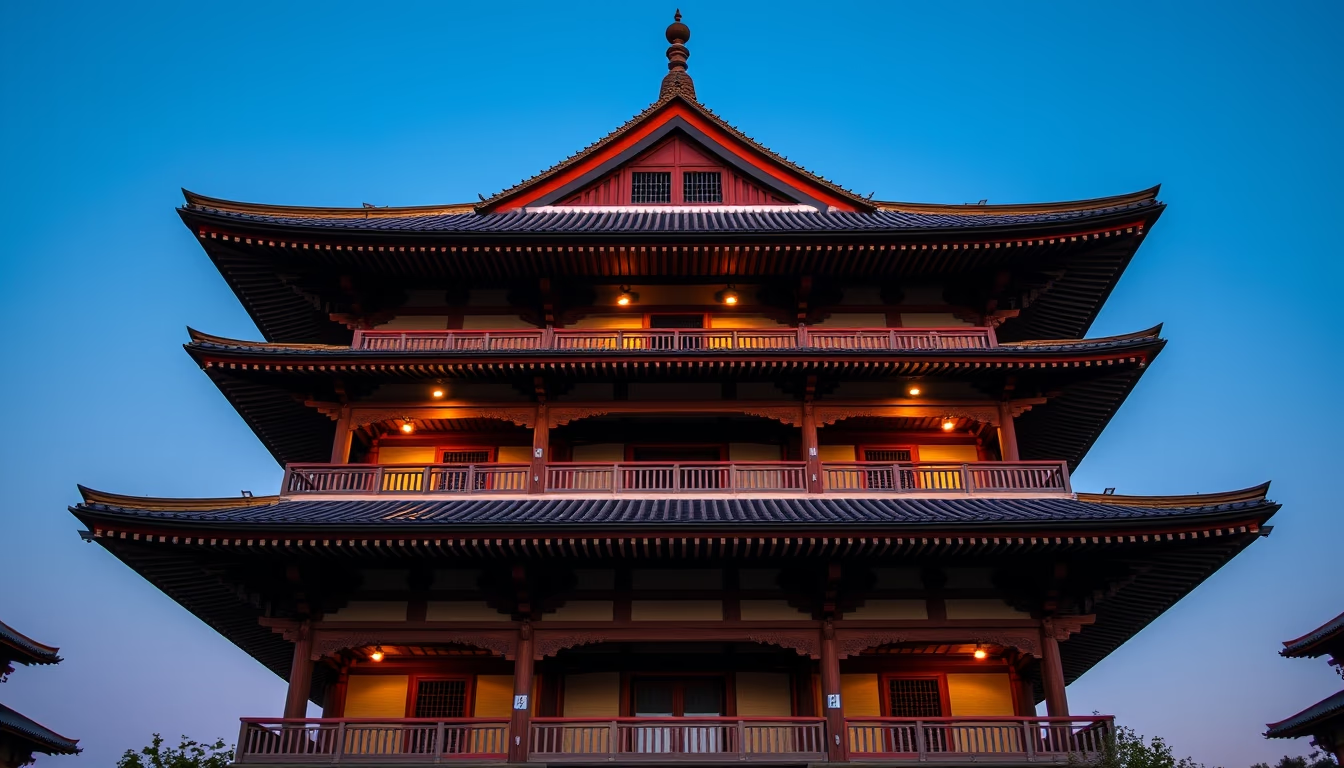
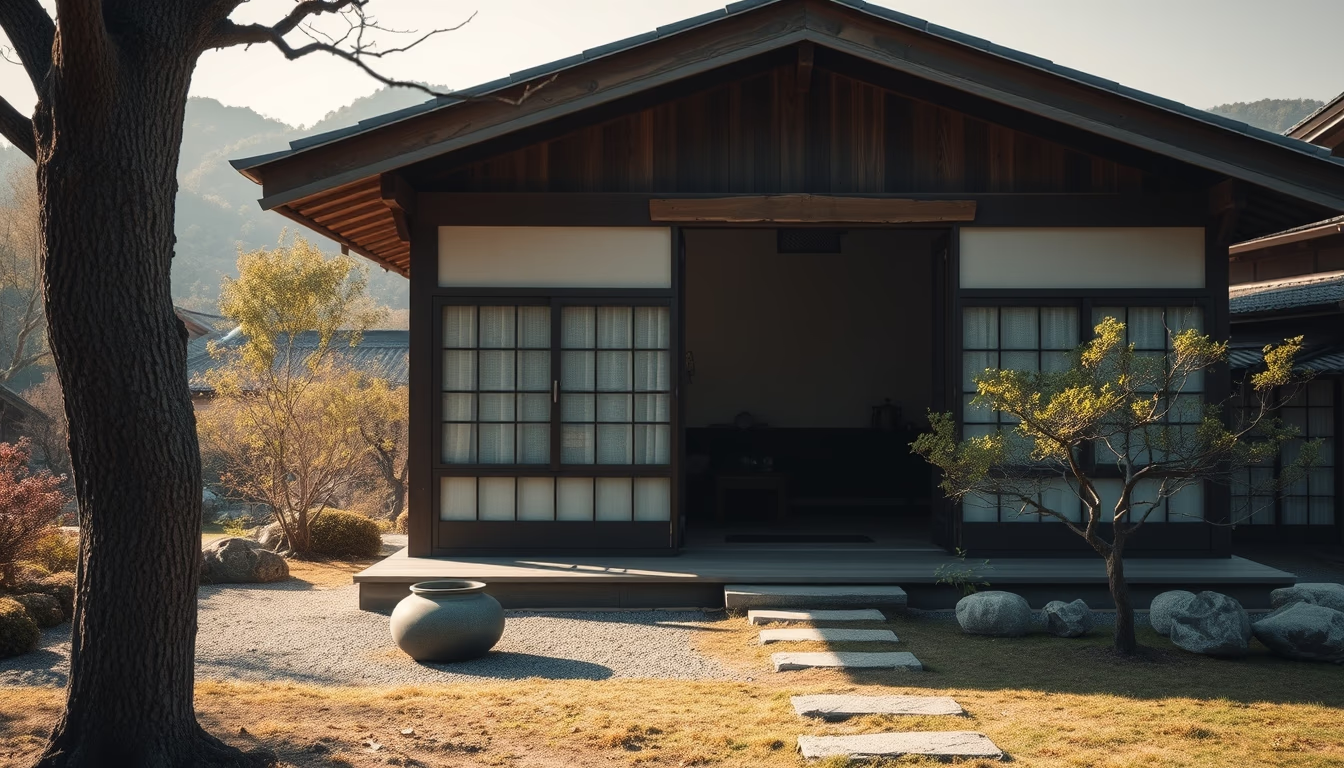
A zen tea house in rural Japan exemplifies simplicity and harmony with nature, core elements of the Japanese tea ceremony.
About this subject
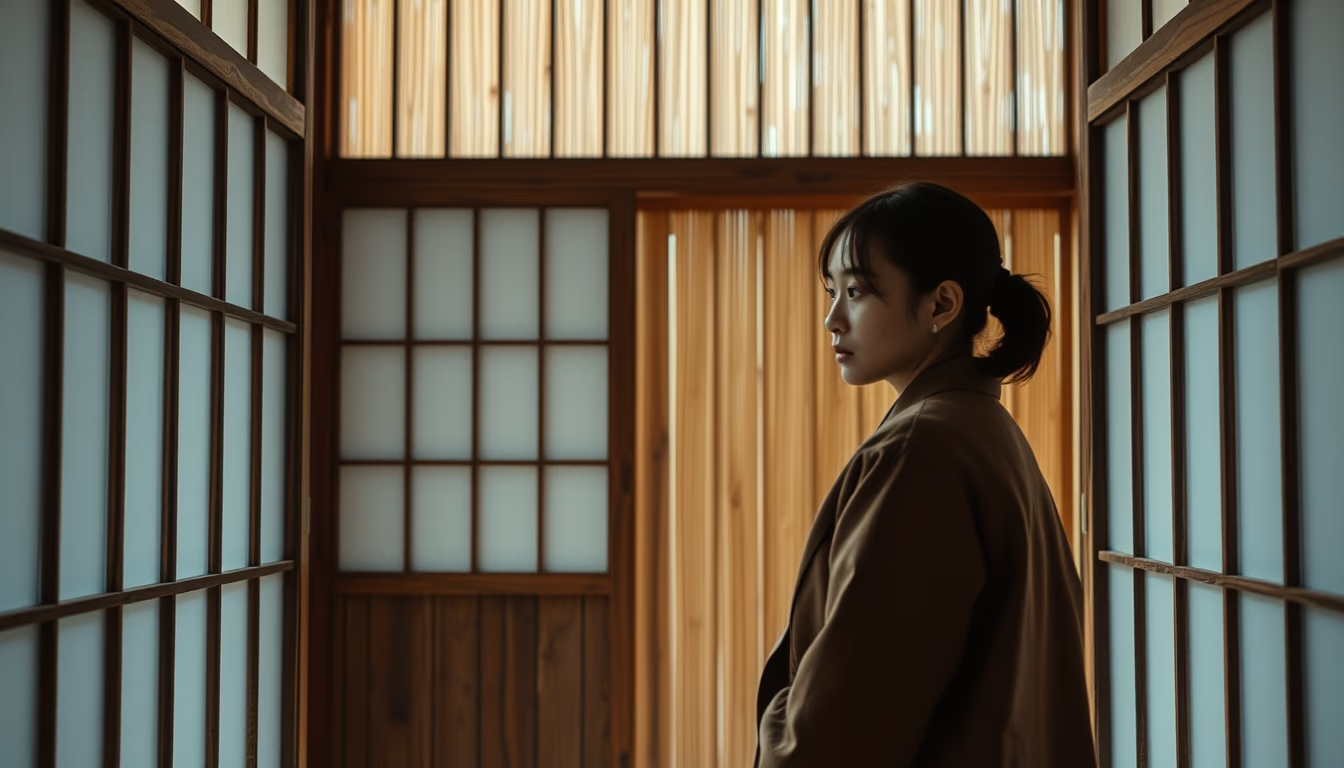
Japanese tea houses, known as chashitsu, are modest structures designed for the practice of the tea ceremony (chanoyu), a tradition deeply influenced by Zen Buddhism. In rural areas, these buildings often blend into the natural landscape, using materials like wood, bamboo, and clay. The design follows the concept of wabi-sabi, valuing beauty in imperfection and transience. Interiors are minimalist, with tatami mats, rice paper sliding doors (shoji), and a tokonoma alcove displaying a calligraphy scroll or seasonal flower arrangement, inviting contemplation.
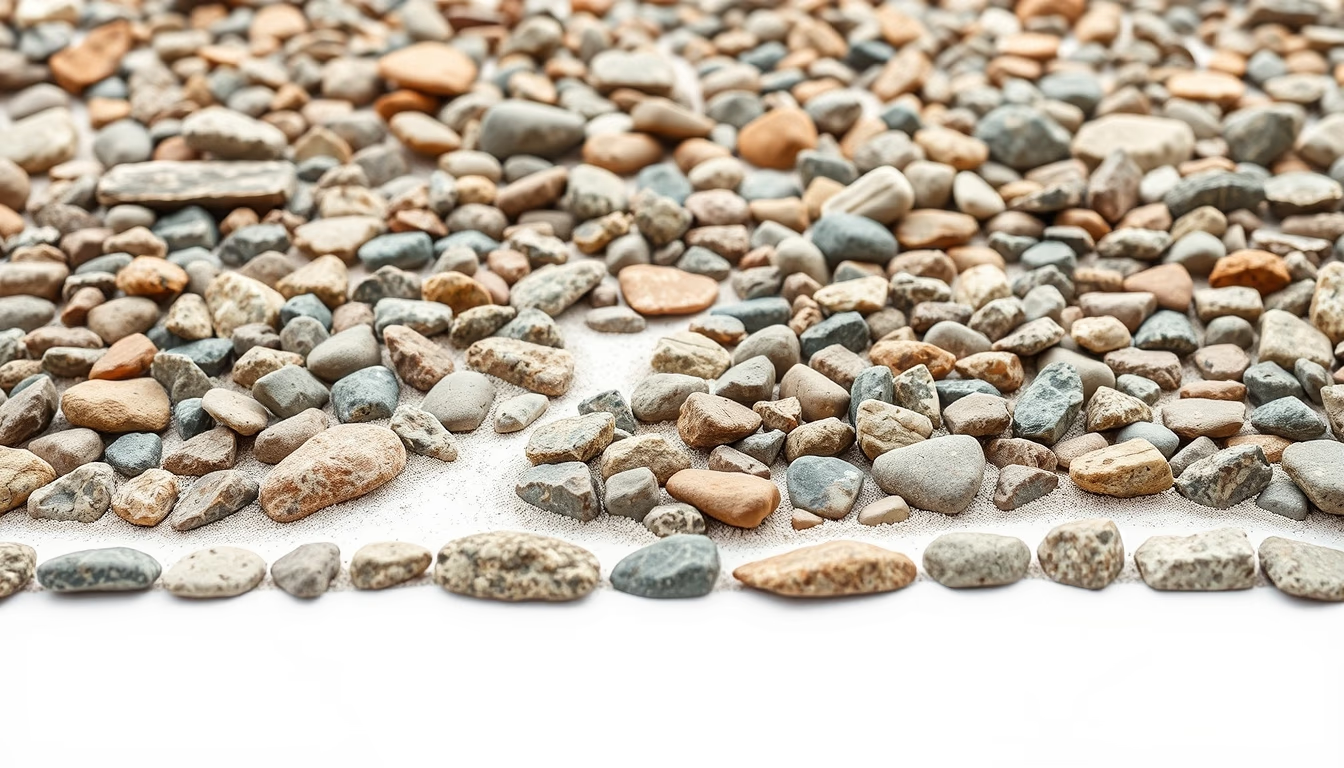
Historically, tea master Sen no Rikyū (16th century) established the aesthetic and ethical principles of the ceremony, emphasizing hospitality (omotenashi) and simplicity. Rural tea houses, often located in gardens or mountains, offer a retreat from the busy world. The low entrance (nijiriguchi) forces visitors to bow, symbolizing humility and equality. The stone path (roji) leading to the house is carefully designed to mentally prepare guests.
Interestingly, the tea ceremony is not just about drinking matcha green tea; it is a meditative practice involving precise movements and mindfulness. In rural regions such as Uji or Shizuoka prefecture, these traditions remain alive, with families maintaining centuries-old tea houses. The structure often includes a small window facing the garden, allowing natural light and views of nature to enter, reinforcing the connection with the external environment. The experience from entry to exit is a ritual seeking inner peace.
Frequently Asked Questions
What is a Japanese Zen tea house?
A Japanese Zen tea house, or chashitsu, is a traditional structure used for the tea ceremony. It is designed as a simple, austere space in harmony with nature, following Zen Buddhist principles and wabi-sabi aesthetics.
Why is the tea ceremony important in rural Japan?
In rural Japan, the tea ceremony preserves centuries-old traditions and serves as a community practice that strengthens social bonds and connection to nature. Rural tea houses are often set in gardens or mountainous landscapes, providing a serene environment.
How are traditional tea houses constructed?
Traditional tea houses are built from natural materials like wood, bamboo, and clay. They feature tatami mats, sliding shoji doors, a tokonoma alcove, and a low entrance (nijiriguchi) that symbolizes humility. Roofs are often thatched or tiled, and windows are carefully placed to frame garden views.
Direct URL
https://pub-c7d6a6ea828543ac903a74a341ccb2e1.r2.dev/imagens/zen-tea-house-rural-japan-macro-closeup-fresh14.avifHow to credit
Include a visible link back to UtilizAí. Copy one of the snippets below:
<a href="https://xn--utiliza-eza.com/en/midia/imagens/zen-tea-house-rural-japan-macro-closeup-fresh14">Zen tea house rural japan</a> by <a href="https://xn--utiliza-eza.com">UtilizAí</a>, licensed under <a href="https://creativecommons.org/licenses/by/4.0/">CC BY 4.0</a>.
[Zen tea house rural japan](https://xn--utiliza-eza.com/en/midia/imagens/zen-tea-house-rural-japan-macro-closeup-fresh14) by [UtilizAí](https://xn--utiliza-eza.com), CC BY 4.0
License: CC-BY-4.0