Zen tea house rural japan
1344×768 · AVIF · CC BY 4.0
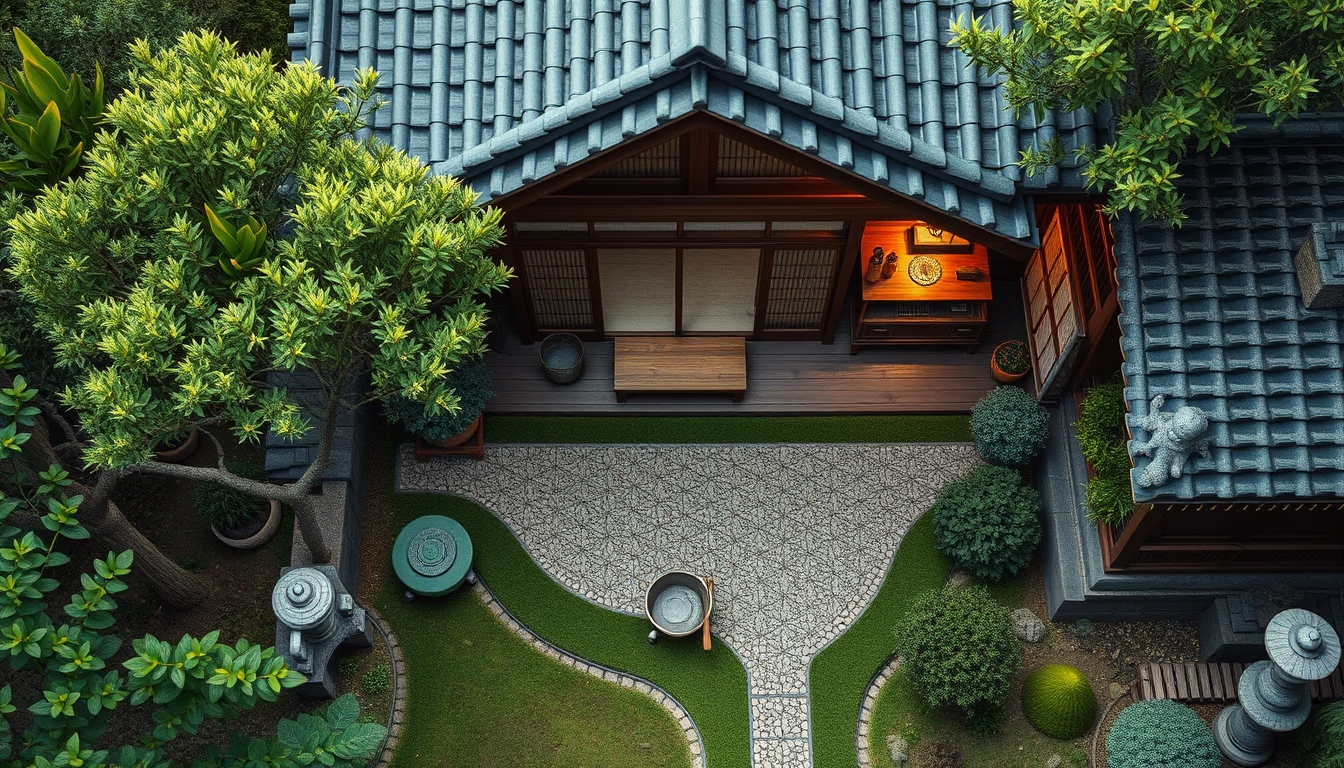
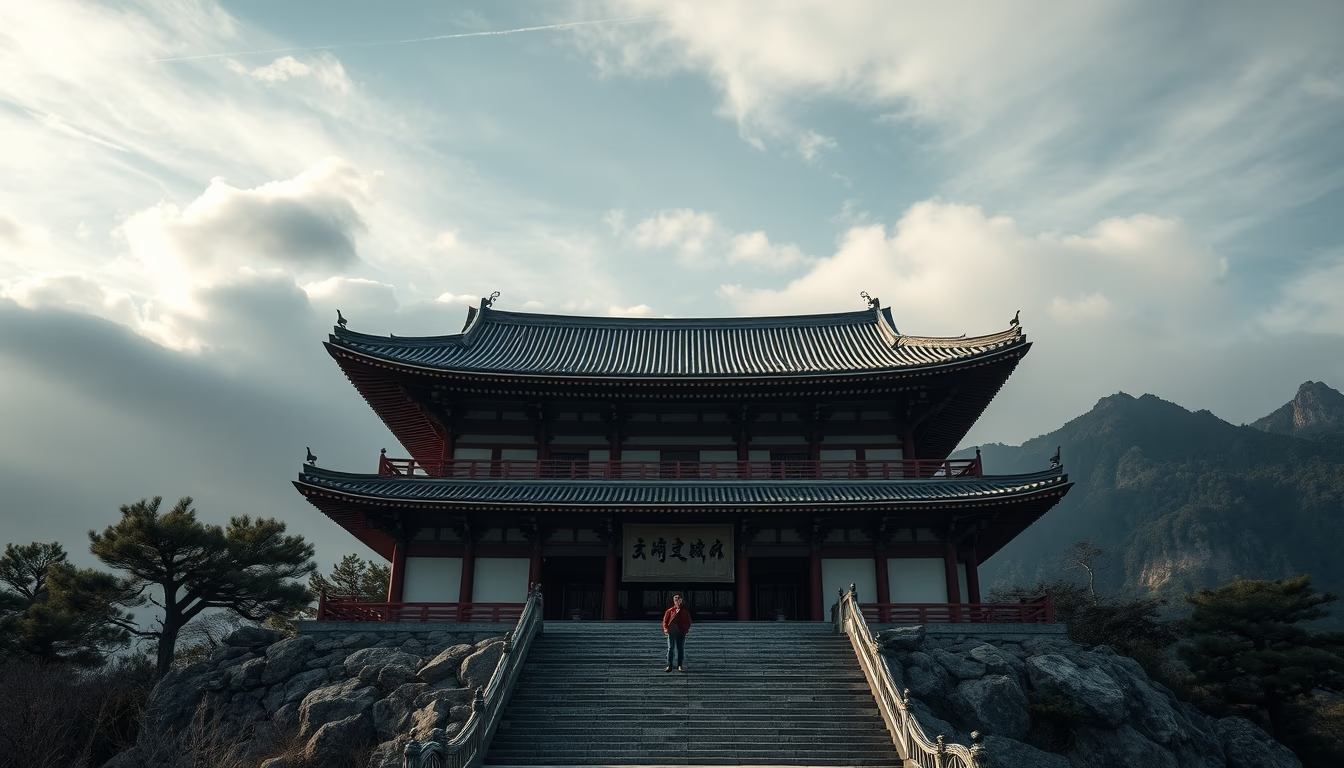
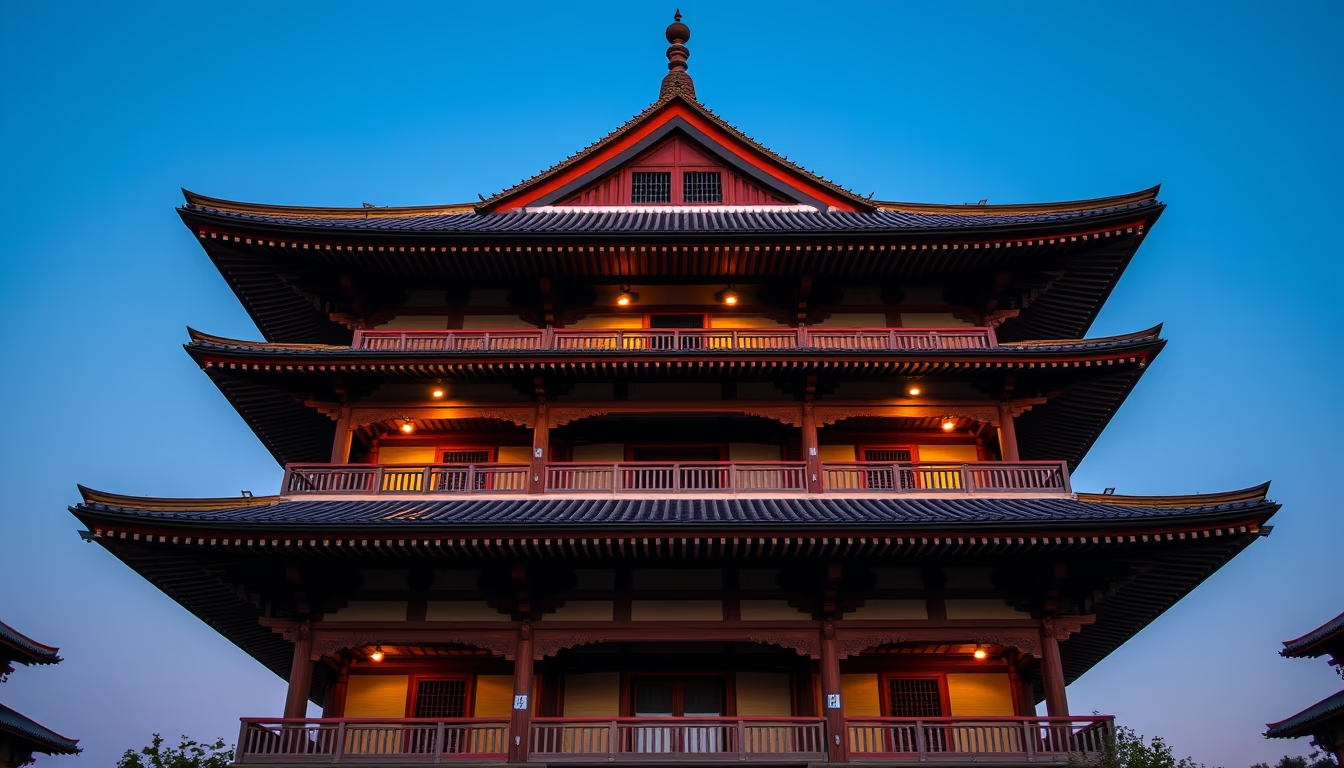
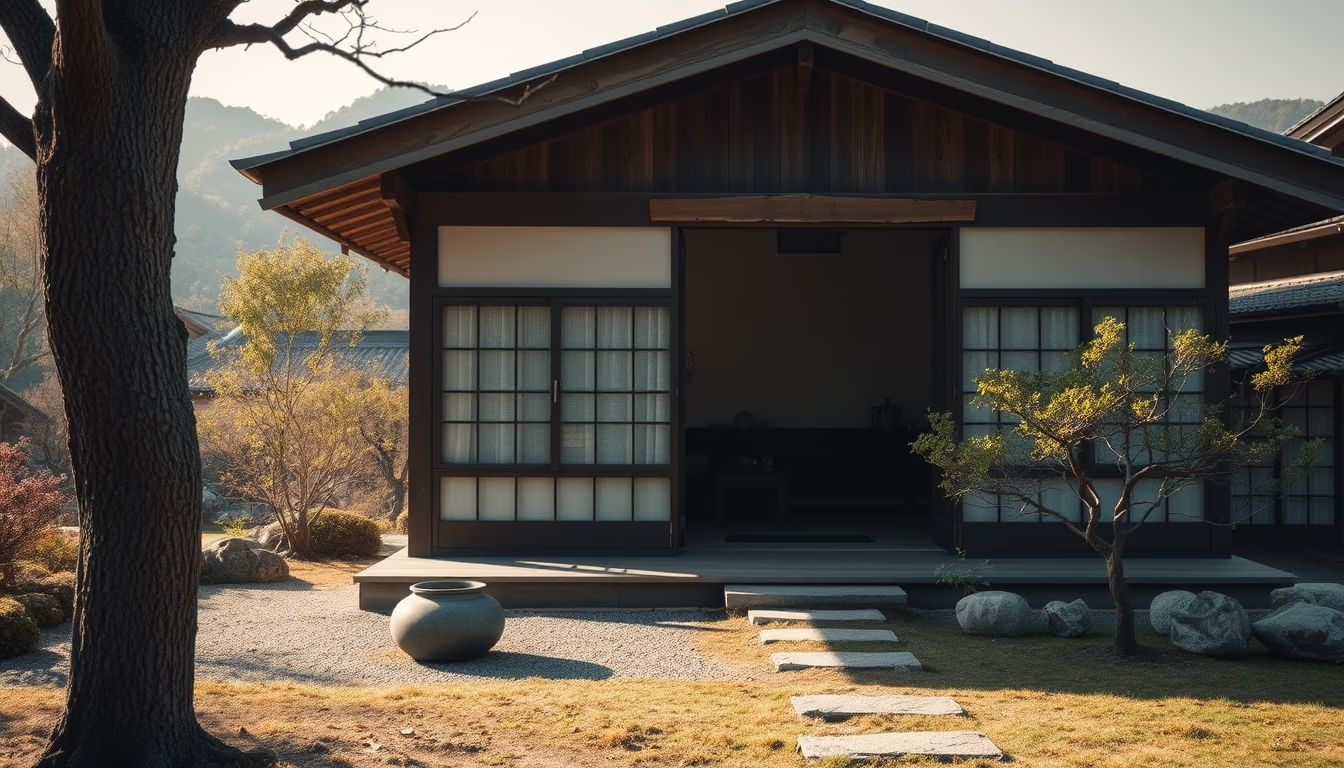
Zen tea houses in rural Japan are minimalist spaces that embody the wabi-sabi aesthetic and the tradition of chanoyu, the tea ceremony.
About this subject
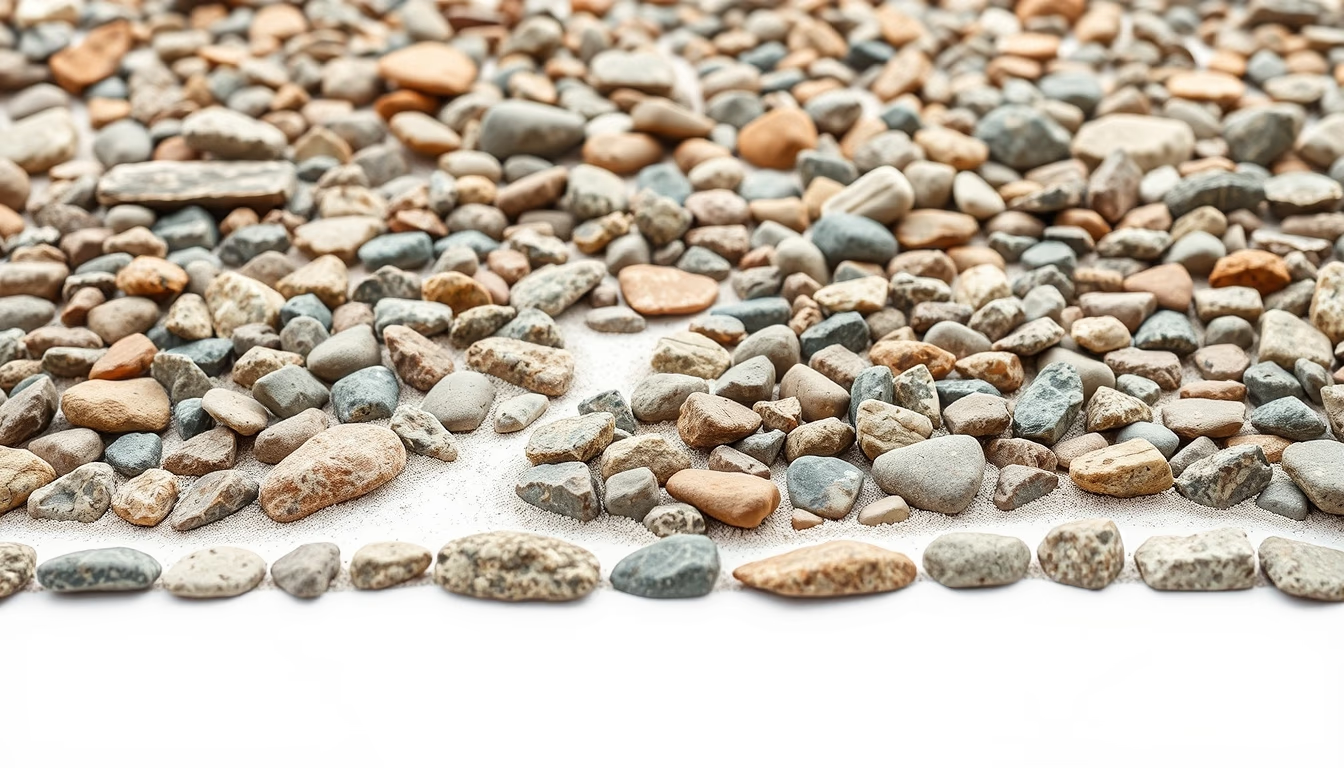
Zen tea houses, or chashitsu, are traditional Japanese structures designed for the tea ceremony, a ritualistic practice influenced by Zen Buddhism. Originating in the 16th century under the guidance of masters like Sen no Rikyu, these houses prioritize simplicity, asymmetry, and integration with nature. Often located in rural areas, such as the mountains of Kyoto or the villages of Kanazawa, they are set within meticulously maintained gardens called roji, whose stone pathway prepares guests for a meditative state.
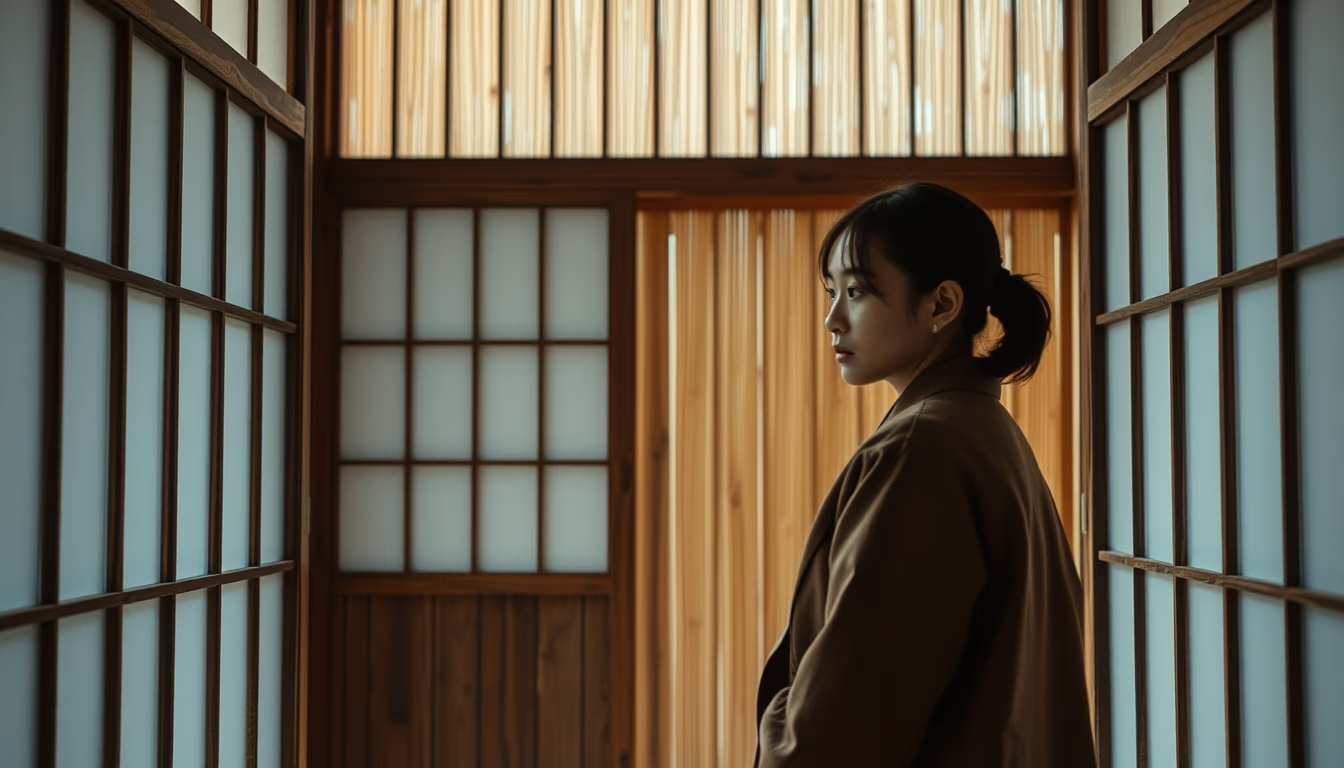
The architecture of the chashitsu is deliberately modest. The interior, typically about four and a half tatami mats, features low ceilings and uneven clay walls. Key elements include the tokonoma, an alcove displaying a calligraphy scroll or ikebana, and the ro, a built-in hearth for boiling water. Sliding shoji doors made of washi paper softly filter light. Every detail aims to eliminate distractions and cultivate mindfulness.
The concept of wabi-sabi permeates these structures. Wabi refers to beauty found in simplicity and seclusion, while sabi celebrates the patina of time and imperfection. Aged wood, bamboo, and clay are common materials. Tea masters like Rikyu advocated for a rustic, unfinished appearance, contrasting with the opulent palaces of the era. Notable examples include Tai-an at Myoki-an Temple in Kyoto, designated a National Treasure.
Today, many rural chashitsu are maintained by temples or traditional families, open to visitors seeking to experience the ceremony. The practice of chanoyu, involving precise gestures and contemplative silence, remains a living art form and meditation. About 90% of historical tea houses are concentrated in the Kansai region, but remote examples in areas like Tohoku offer an even more immersive experience.
Frequently Asked Questions
What is the difference between a Japanese tea house and an ordinary building?
A chashitsu is designed exclusively for the tea ceremony, with minimal dimensions, natural materials, and features like the tokonoma and ro. It differs by its wabi-sabi aesthetic, which values imperfection and simplicity, creating an introspective environment.
Where can I find Zen tea houses in rural Japan?
Many are located in Buddhist temples or historic villages, such as in Kyoto (Daitoku-ji Temple, Myoki-an Temple), Kanazawa (Kenroku-en), and the Tohoku region (Yamagata, Fukushima). Some are maintained by traditional families and open to the public by appointment.
What is wabi-sabi and how does it relate to the tea house?
Wabi-sabi is a Japanese aesthetic concept that finds beauty in imperfection, transience, and simplicity. In the chashitsu, it manifests through aged materials, asymmetry, and rusticity, reflecting the Zen philosophy of detachment and appreciation of the present moment.
Direct URL
https://pub-c7d6a6ea828543ac903a74a341ccb2e1.r2.dev/imagens/zen-tea-house-rural-japan-isometric-flat-lay-fresh6.avifHow to credit
Include a visible link back to UtilizAí. Copy one of the snippets below:
<a href="https://xn--utiliza-eza.com/en/midia/imagens/zen-tea-house-rural-japan-isometric-flat-lay-fresh6">Zen tea house rural japan</a> by <a href="https://xn--utiliza-eza.com">UtilizAí</a>, licensed under <a href="https://creativecommons.org/licenses/by/4.0/">CC BY 4.0</a>.
[Zen tea house rural japan](https://xn--utiliza-eza.com/en/midia/imagens/zen-tea-house-rural-japan-isometric-flat-lay-fresh6) by [UtilizAí](https://xn--utiliza-eza.com), CC BY 4.0
License: CC-BY-4.0