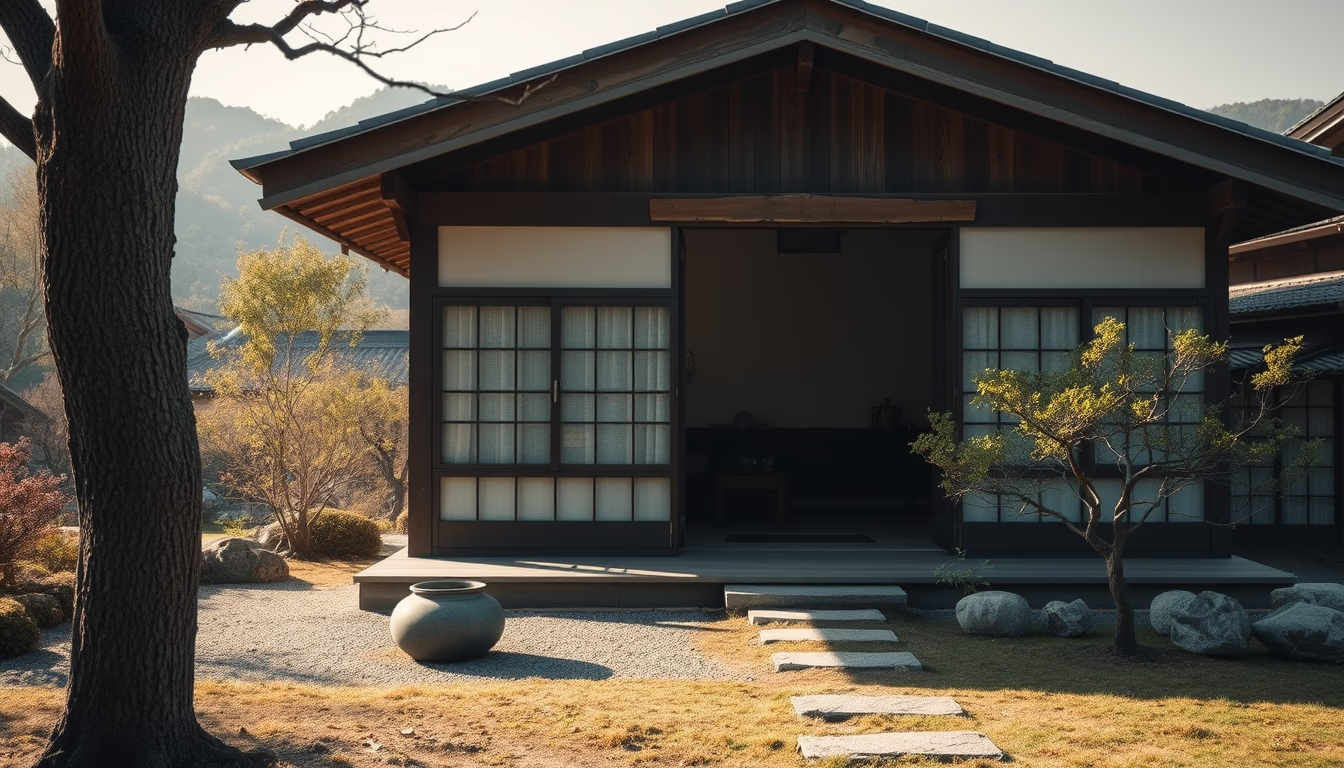
Zen tea house rural japan
1344×768 · AVIF · CC BY 4.0
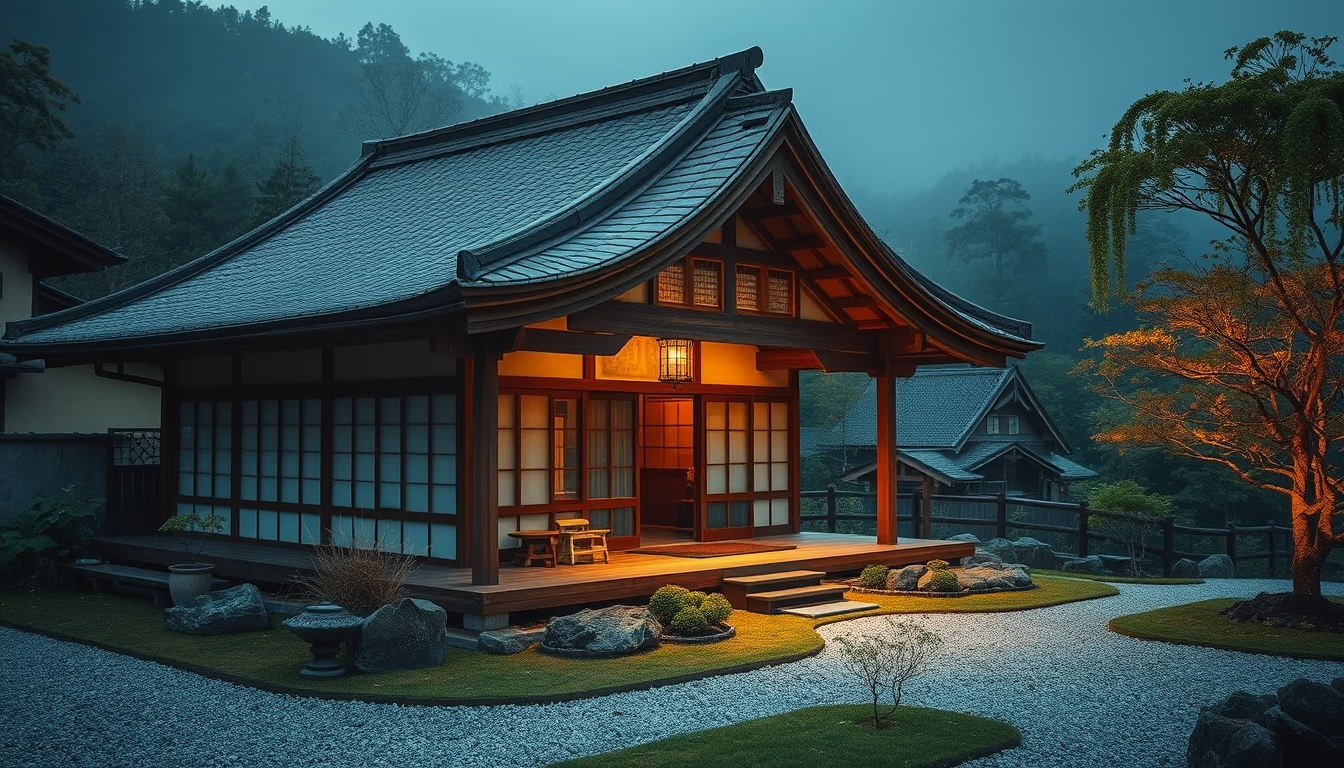
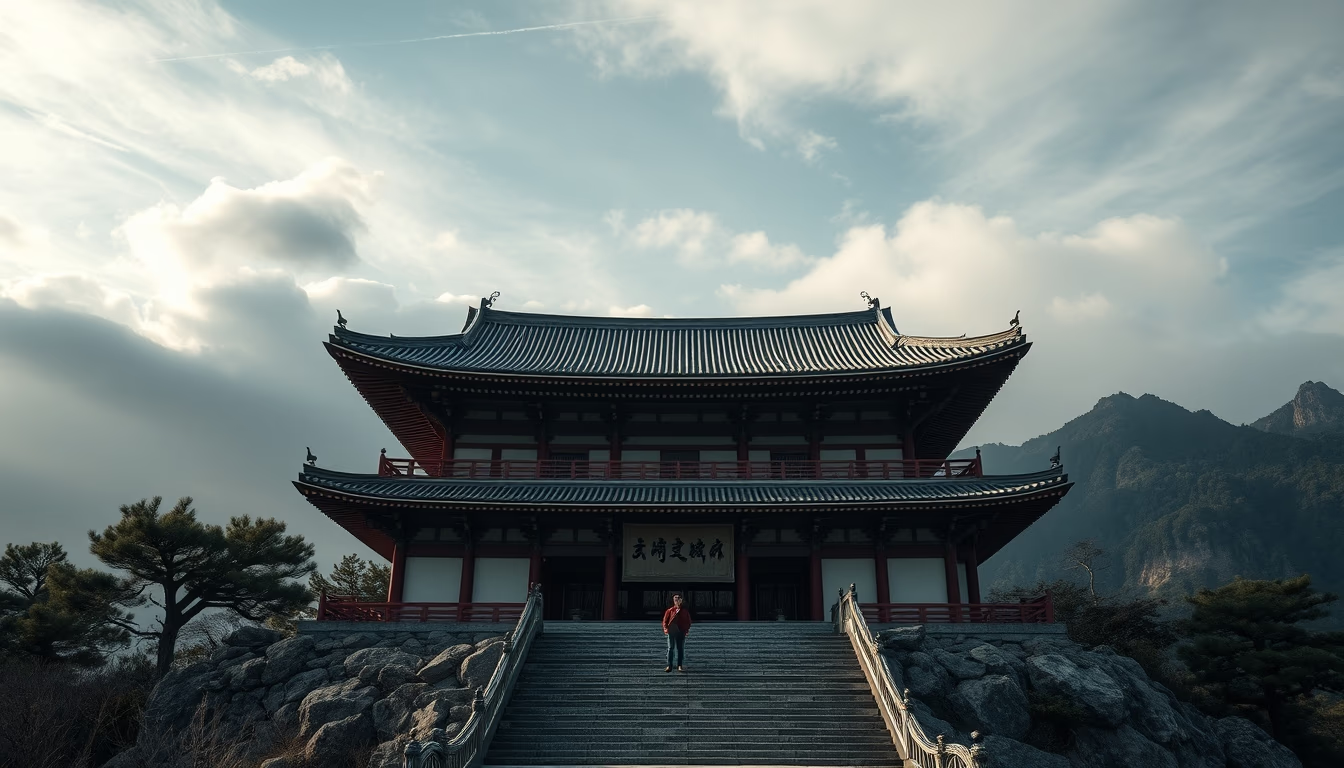
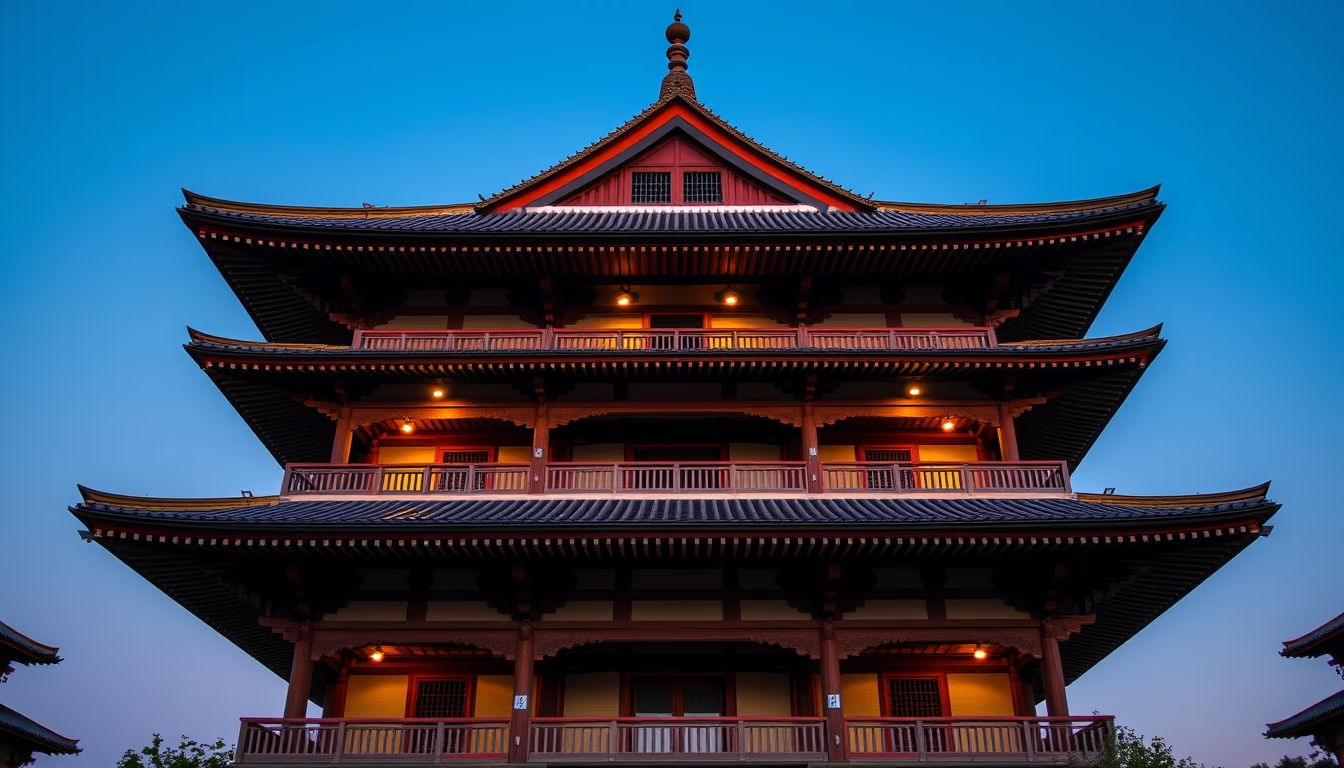
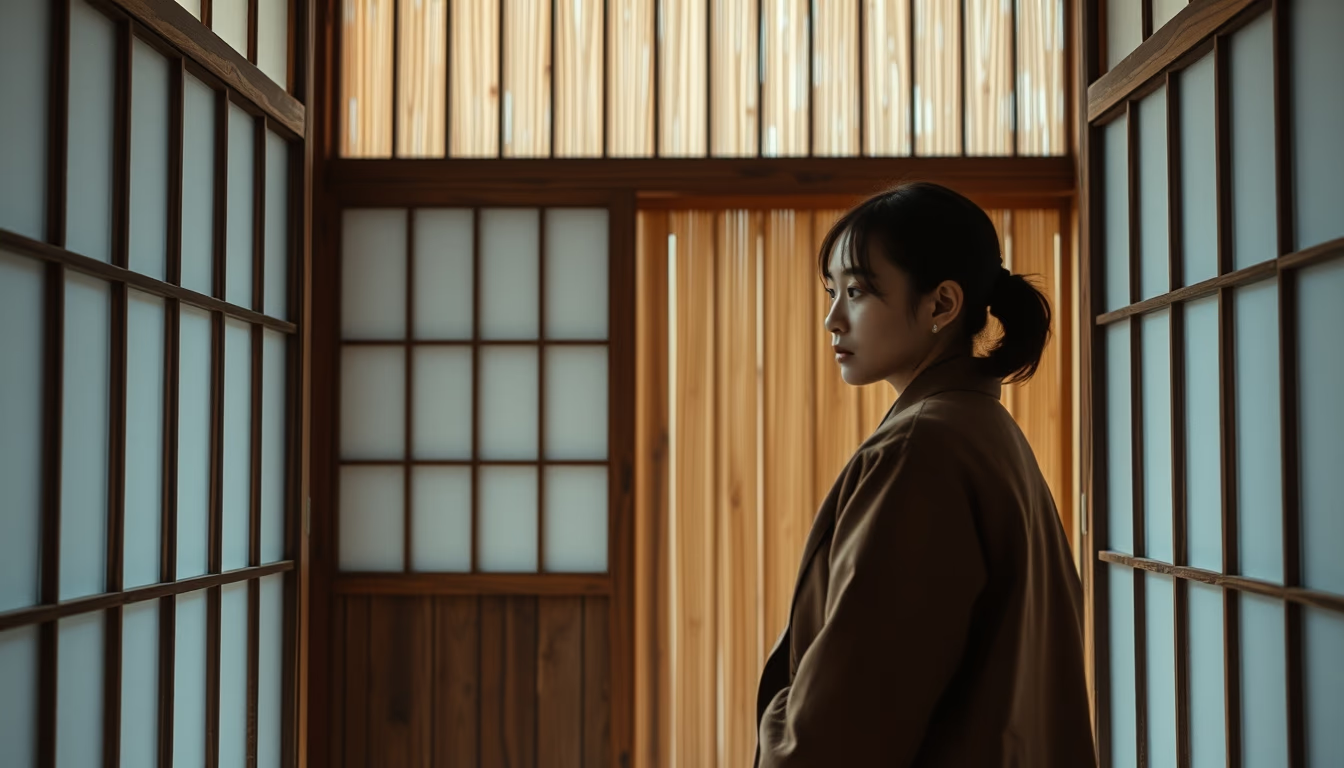
The Zen tea house in rural Japan represents a space of simplicity and meditation, rooted in the tea ceremony and wabi-sabi aesthetics.
About this subject
The Zen tea house, known as chashitsu, is a traditional Japanese architectural structure designed for the tea ceremony (chanoyu). Its origins date back to the 16th century, with tea master Sen no Rikyū, who established the principles of simplicity, asymmetry, and intimacy. Tea houses are small, typically about four and a half tatami mats (roughly 8 square meters), built from natural materials such as wood, bamboo, and clay. The interior features a tokonoma (alcove) to display a scroll and flower arrangement, along with a built-in hearth (ro) for heating water.
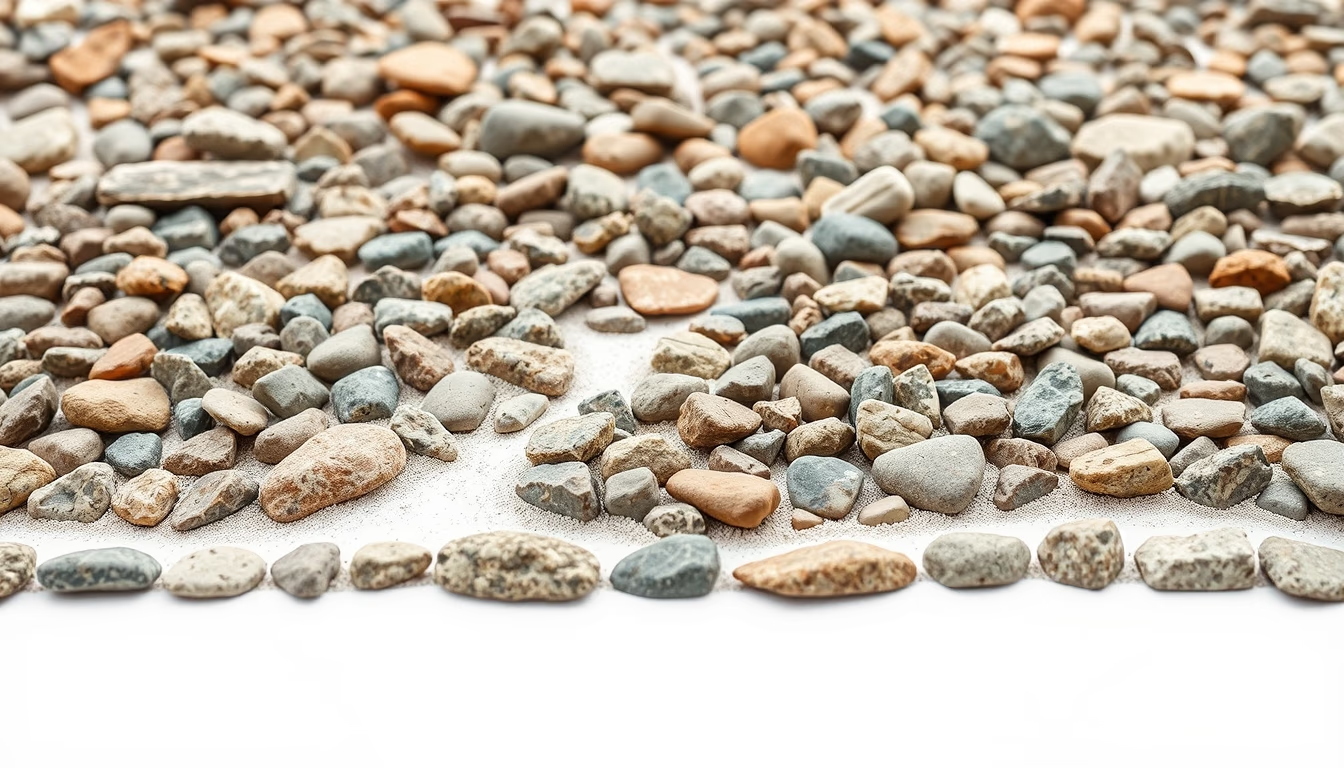
Located in rural areas, these houses are often surrounded by meticulously maintained gardens. The stone path (roji) leading to the tea house is an integral part of the experience, symbolizing the transition from the outer world to a place of tranquility. The entrance is deliberately low (nijiriguchi), forcing visitors to bow in humility and leave behind daily concerns. This design reflects the influence of Zen Buddhism, which values mindfulness and simplicity.
The tea ceremony is a highly choreographed ritual where every movement has meaning. The host prepares matcha (powdered green tea) with precise gestures, using utensils like the chasen (bamboo whisk) and chawan (bowl). Guests appreciate not only the flavor but the aesthetics of the moment, including the bowl chosen for the occasion. The wabi-sabi philosophy, which finds beauty in imperfection and transience, is central: cracked or irregular bowls are prized, and asymmetry is favored over symmetry.
Famous tea houses include Taian in Kyoto, designated as a cultural treasure, and Joan at Kōdai-ji Temple. In lesser-known rural areas, such as the Iga region or the mountains of Yoshino, historic chashitsu remain preserved, offering an authentic experience. These spaces continue to be used for ceremonies and retreats, keeping alive a tradition that blends art, spirituality, and hospitality.
Frequently Asked Questions
What is the difference between a Zen tea house and an ordinary house?
A Zen tea house (chashitsu) is designed exclusively for the tea ceremony, with small dimensions, natural materials, and features like the tokonoma and low entrance. Unlike an ordinary house, it prioritizes simplicity and contemplation, following the principles of wabi-sabi and Zen.
What is wabi-sabi and how does it relate to the tea house?
Wabi-sabi is a Japanese aesthetic that values the beauty of imperfection, transience, and simplicity. In tea houses, this is expressed through rustic materials, asymmetry, and objects showing signs of age, such as cracked bowls, which are considered more authentic and spiritual.
Why is the entrance of tea houses so small?
The low entrance, called nijiriguchi, was created by Sen no Rikyū to force all visitors, regardless of social status, to bow upon entering, symbolizing humility and equality. It also serves to leave external worries behind when entering a sacred space.
Direct URL
https://pub-c7d6a6ea828543ac903a74a341ccb2e1.r2.dev/imagens/zen-tea-house-rural-japan-fine-art-photography-fresh16.avifHow to credit
Include a visible link back to UtilizAí. Copy one of the snippets below:
<a href="https://xn--utiliza-eza.com/en/midia/imagens/zen-tea-house-rural-japan-fine-art-photography-fresh16">Zen tea house rural japan</a> by <a href="https://xn--utiliza-eza.com">UtilizAí</a>, licensed under <a href="https://creativecommons.org/licenses/by/4.0/">CC BY 4.0</a>.
[Zen tea house rural japan](https://xn--utiliza-eza.com/en/midia/imagens/zen-tea-house-rural-japan-fine-art-photography-fresh16) by [UtilizAí](https://xn--utiliza-eza.com), CC BY 4.0
License: CC-BY-4.0