Zen tea house rural japan
1344×768 · AVIF · CC BY 4.0
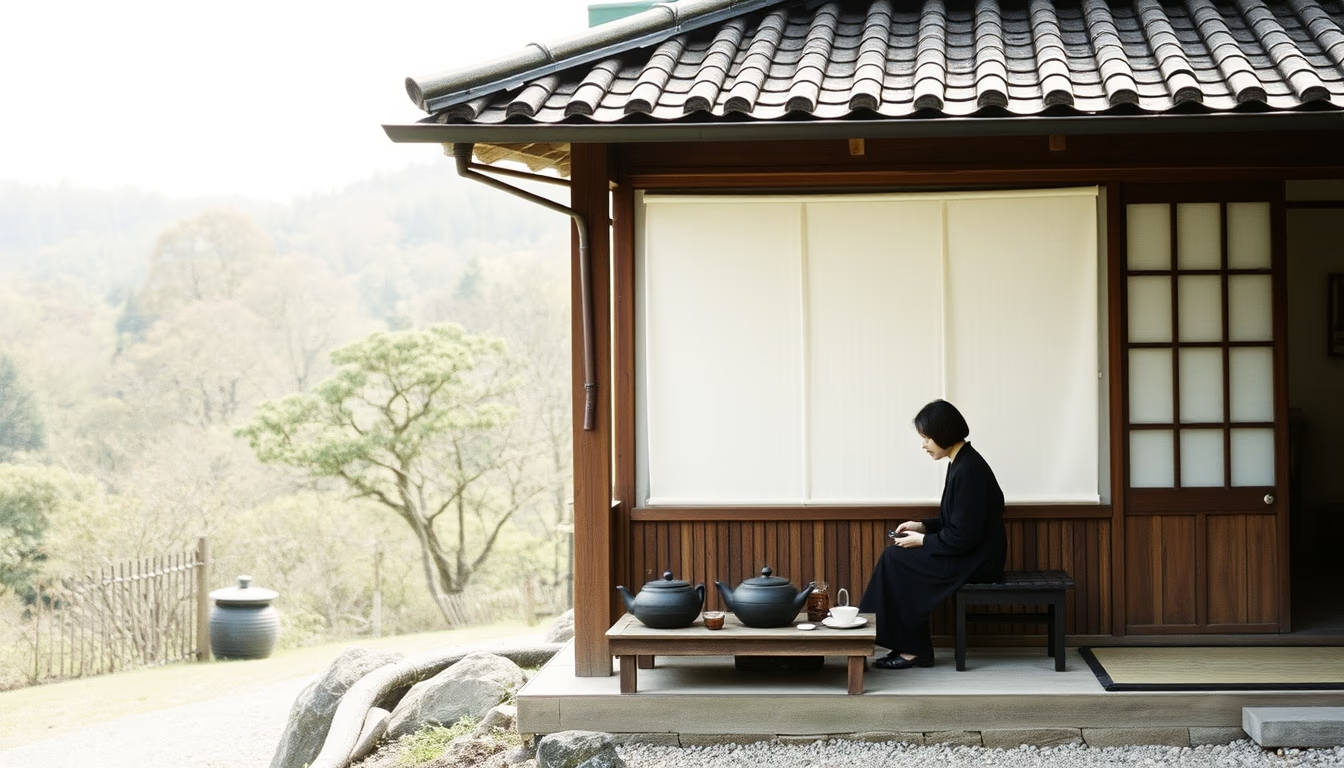
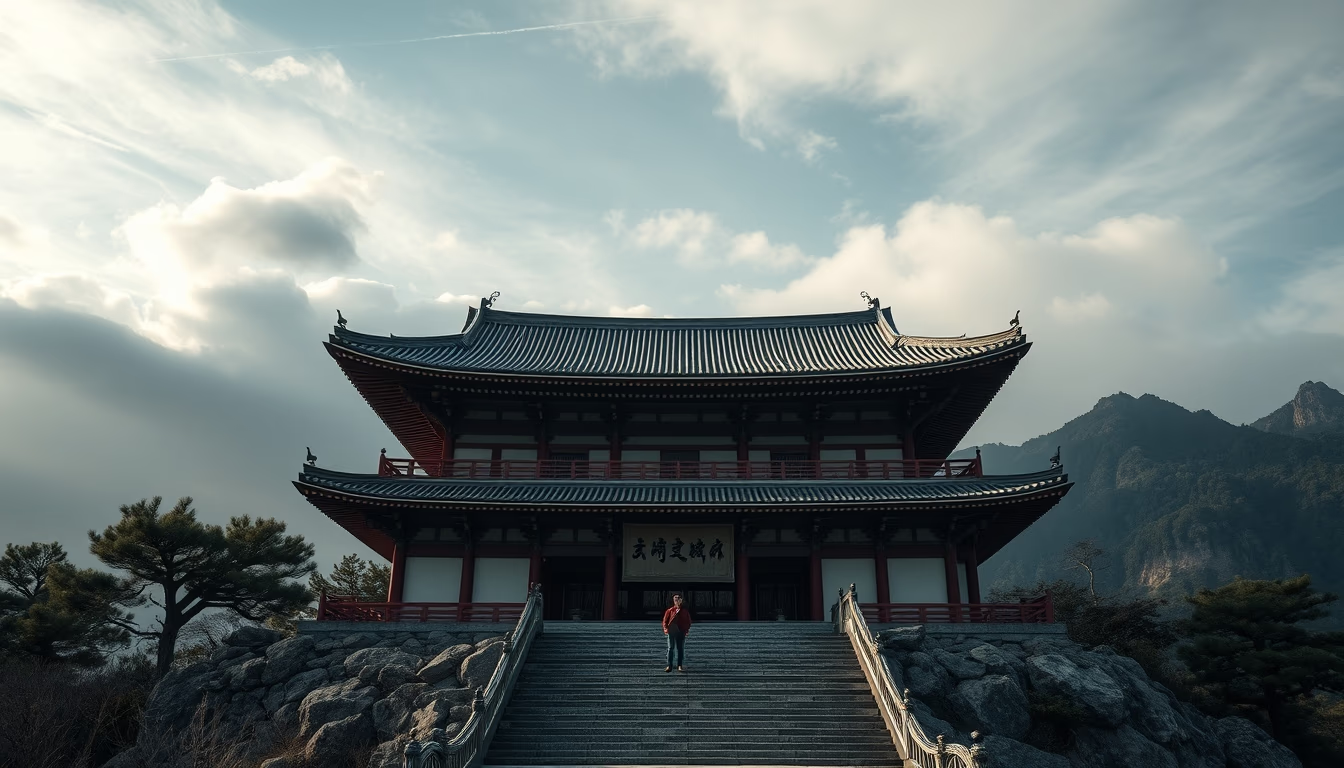
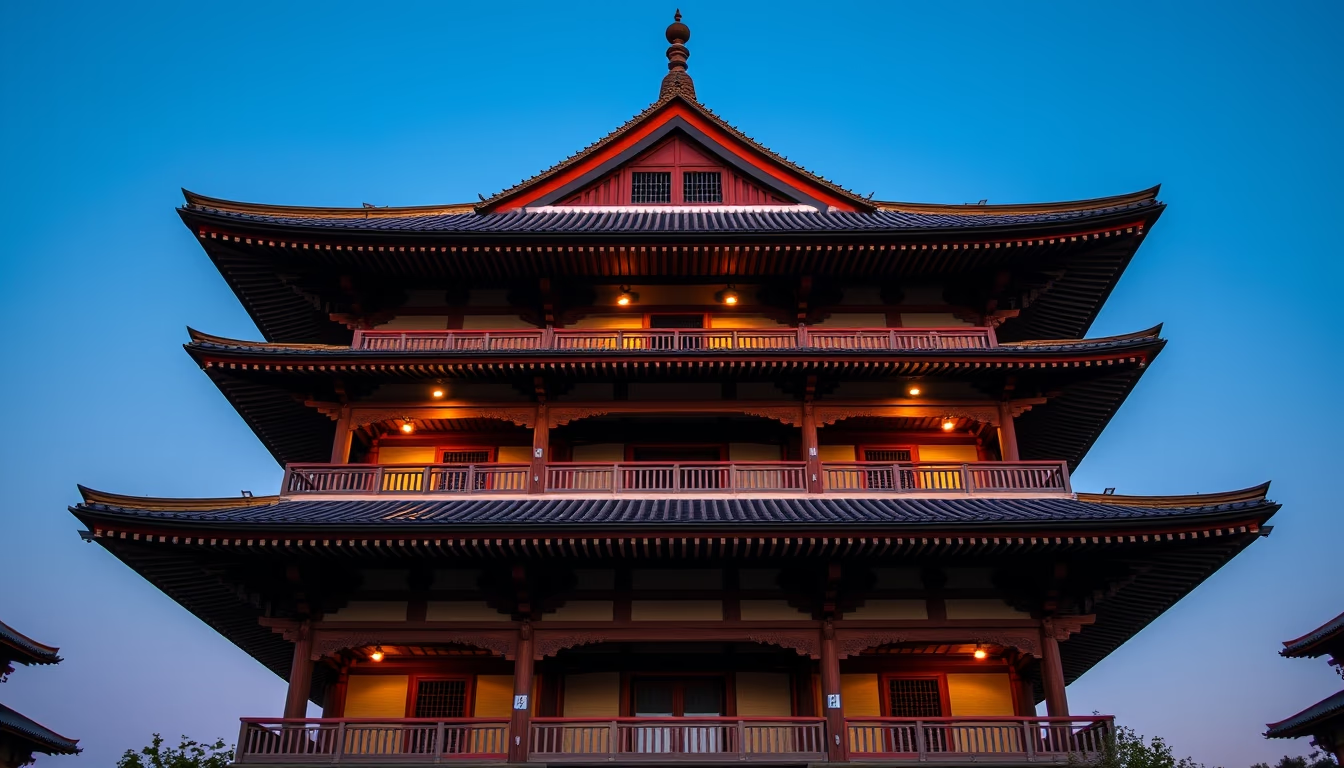
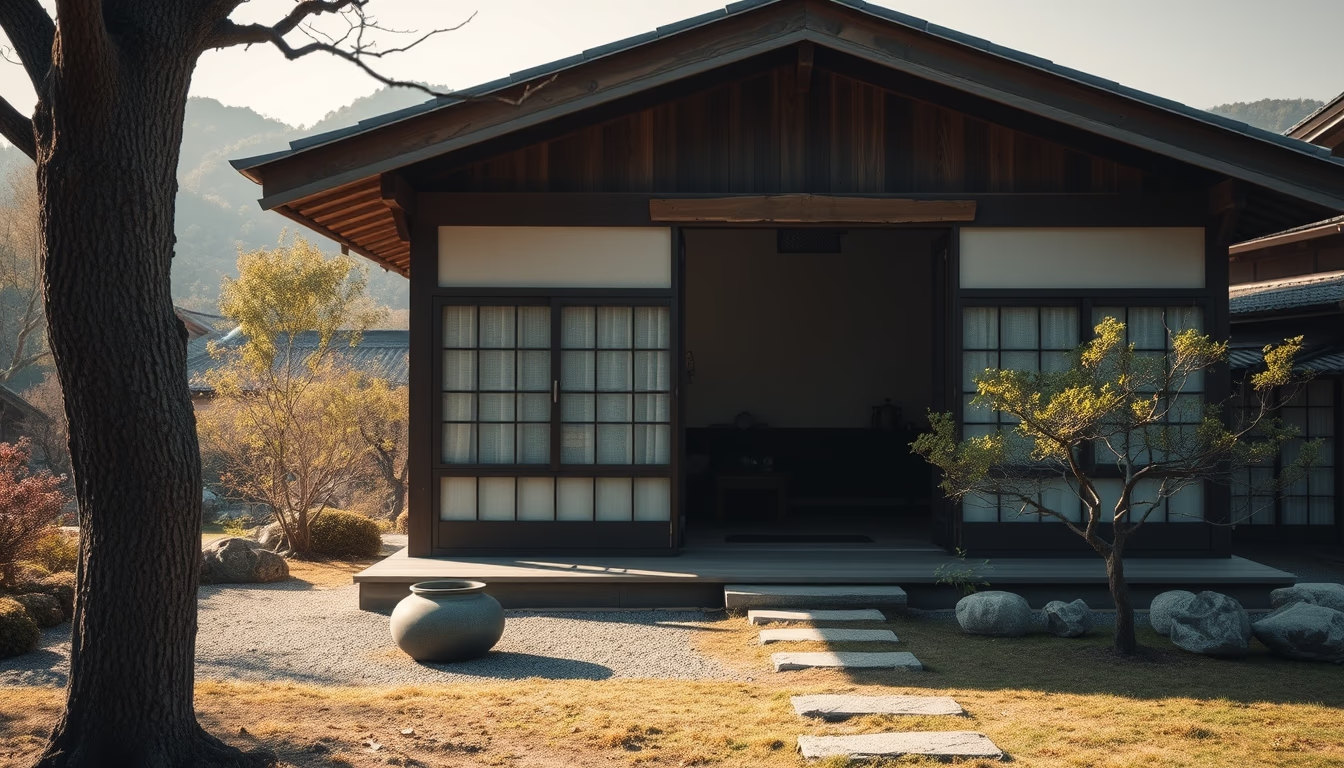
The traditional Japanese tea house, known as chashitsu, is a minimalist and spiritual space where the tea ceremony is performed, reflecting aesthetic principles such as wabi-sabi.
About this subject
The chashitsu, or Japanese tea house, is a small and simple building typically constructed with natural materials like wood, bamboo, and clay. Its origins date back to the 16th century, when tea master Sen no Rikyū perfected the style, emphasizing rusticity and simplicity. The space is designed to create an atmosphere of tranquility and introspection, essential for the tea ceremony (chanoyu).
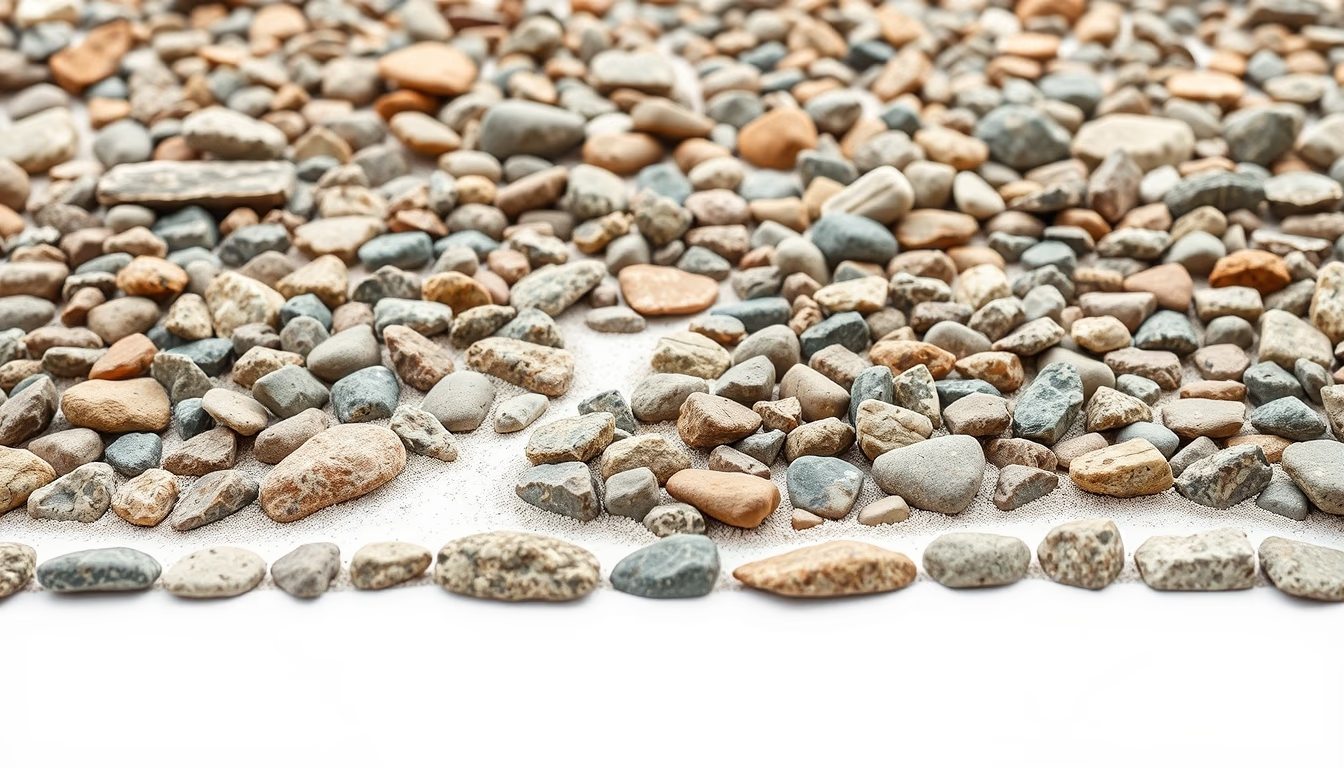
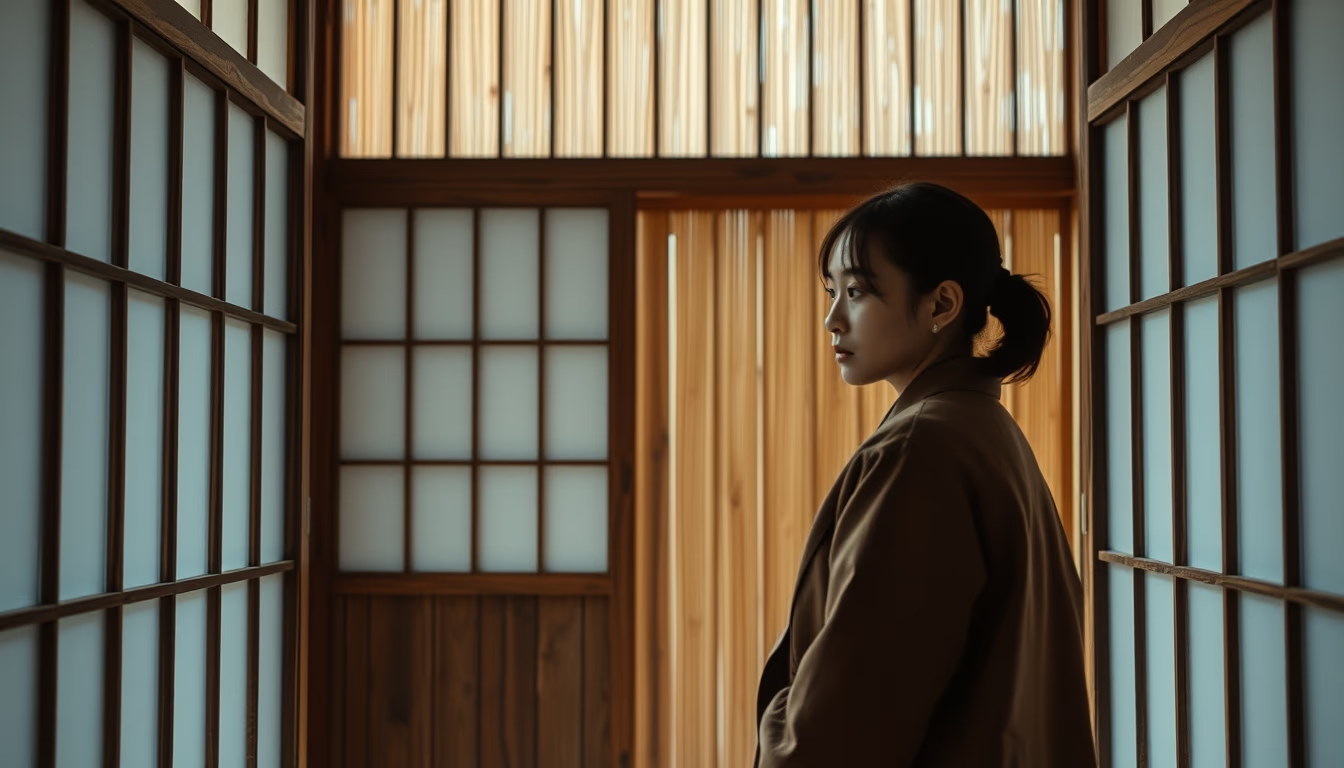
Unlike Western buildings, the chashitsu features specific characteristics: a low ceiling, rice paper windows (shoji) that diffuse natural light, and an alcove (tokonoma) displaying a calligraphy scroll and a flower arrangement. The garden (roji) leading to the tea house is carefully planned to mentally prepare guests, with stepping stones and seasonal plants.
Culturally, the tea house embodies the wabi-sabi aesthetic, which values imperfection and transience. The entrance is deliberately low, forcing everyone to bow as a gesture of humility. The tea ceremony involves precise rituals, from cleaning utensils to preparing matcha, promoting harmony between host and guests.
Today, many historic chashitsu are preserved in temples and gardens, such as the famous Ginkaku-ji in Kyoto. Contemporary tea houses also keep the tradition alive, adapting to urban spaces. The practice of chanoyu remains a symbol of Japanese culture, recognized as an Intangible Cultural Heritage by UNESCO.
Frequently Asked Questions
What is a Japanese tea house?
It is a traditional Japanese architectural space, called chashitsu, designed for the tea ceremony. It is characterized by its simplicity, use of natural materials, and intimate atmosphere.
What is the importance of the garden (roji) in the tea house?
The roji is the garden leading to the chashitsu, serving as a path of purification and mental preparation. With stepping stones and seasonal plants, it helps guests leave the outside world behind.
How does the tea house reflect the concept of wabi-sabi?
The chashitsu is built with rustic and imperfect materials, such as aged wood and exposed clay, emphasizing simplicity, asymmetry, and transience, core principles of wabi-sabi.
Direct URL
https://pub-c7d6a6ea828543ac903a74a341ccb2e1.r2.dev/imagens/zen-tea-house-rural-japan-film-grain-authentic-fresh2.avifHow to credit
Include a visible link back to UtilizAí. Copy one of the snippets below:
<a href="https://xn--utiliza-eza.com/en/midia/imagens/zen-tea-house-rural-japan-film-grain-authentic-fresh2">Zen tea house rural japan</a> by <a href="https://xn--utiliza-eza.com">UtilizAí</a>, licensed under <a href="https://creativecommons.org/licenses/by/4.0/">CC BY 4.0</a>.
[Zen tea house rural japan](https://xn--utiliza-eza.com/en/midia/imagens/zen-tea-house-rural-japan-film-grain-authentic-fresh2) by [UtilizAí](https://xn--utiliza-eza.com), CC BY 4.0
License: CC-BY-4.0