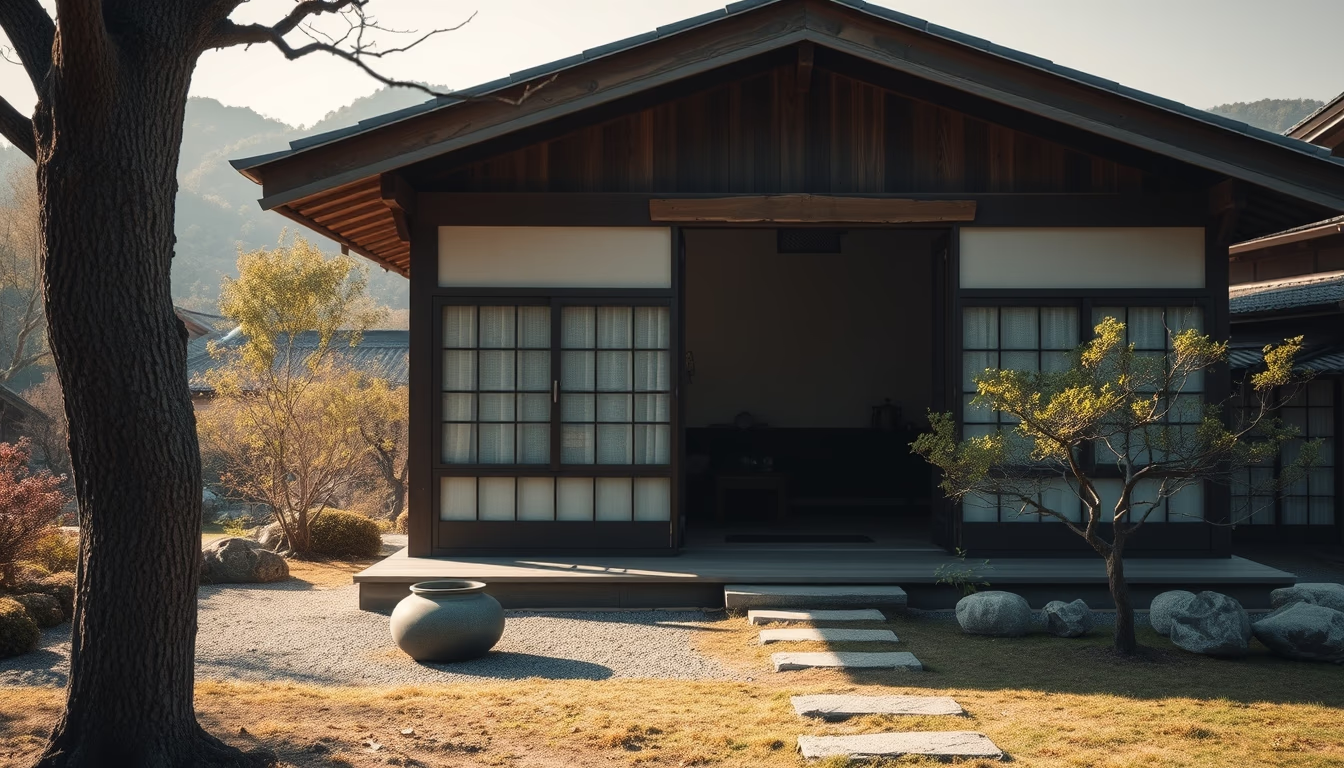
Zen tea house rural japan
1344×768 · AVIF · CC BY 4.0
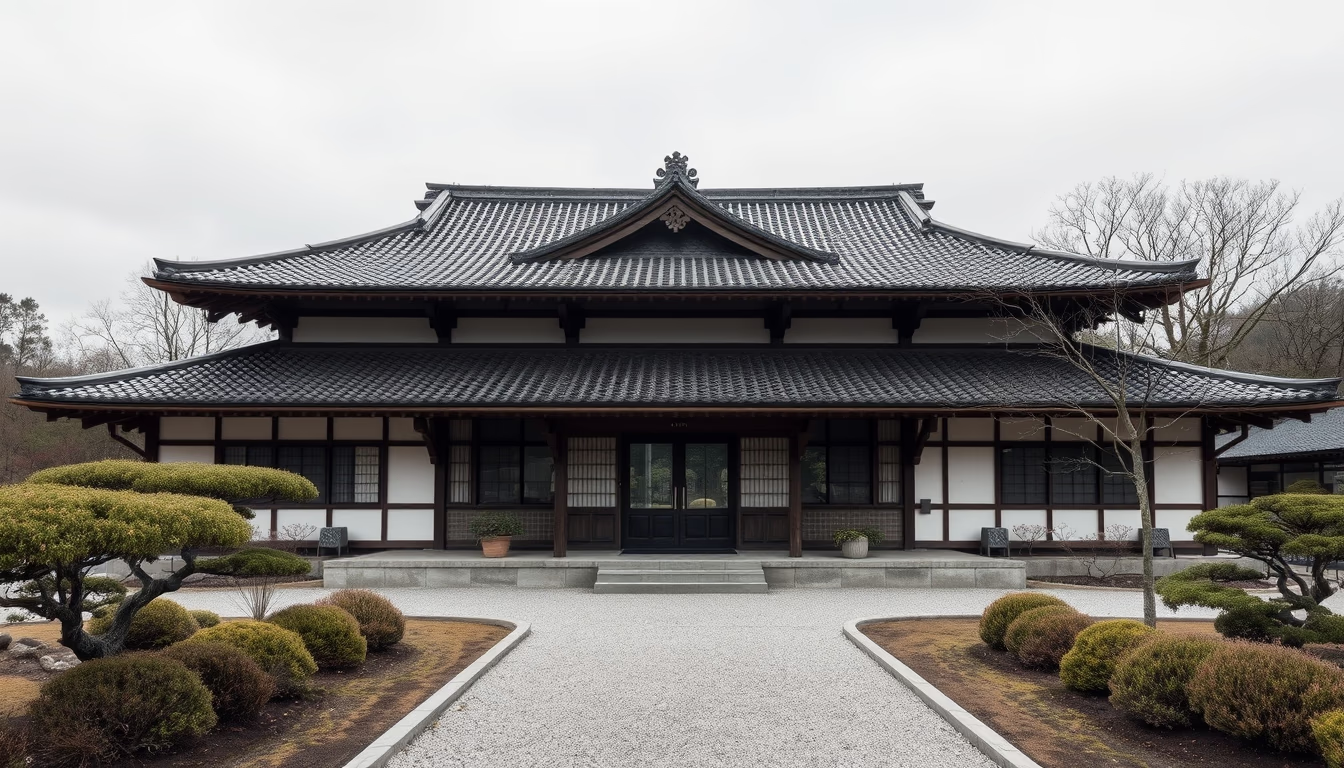
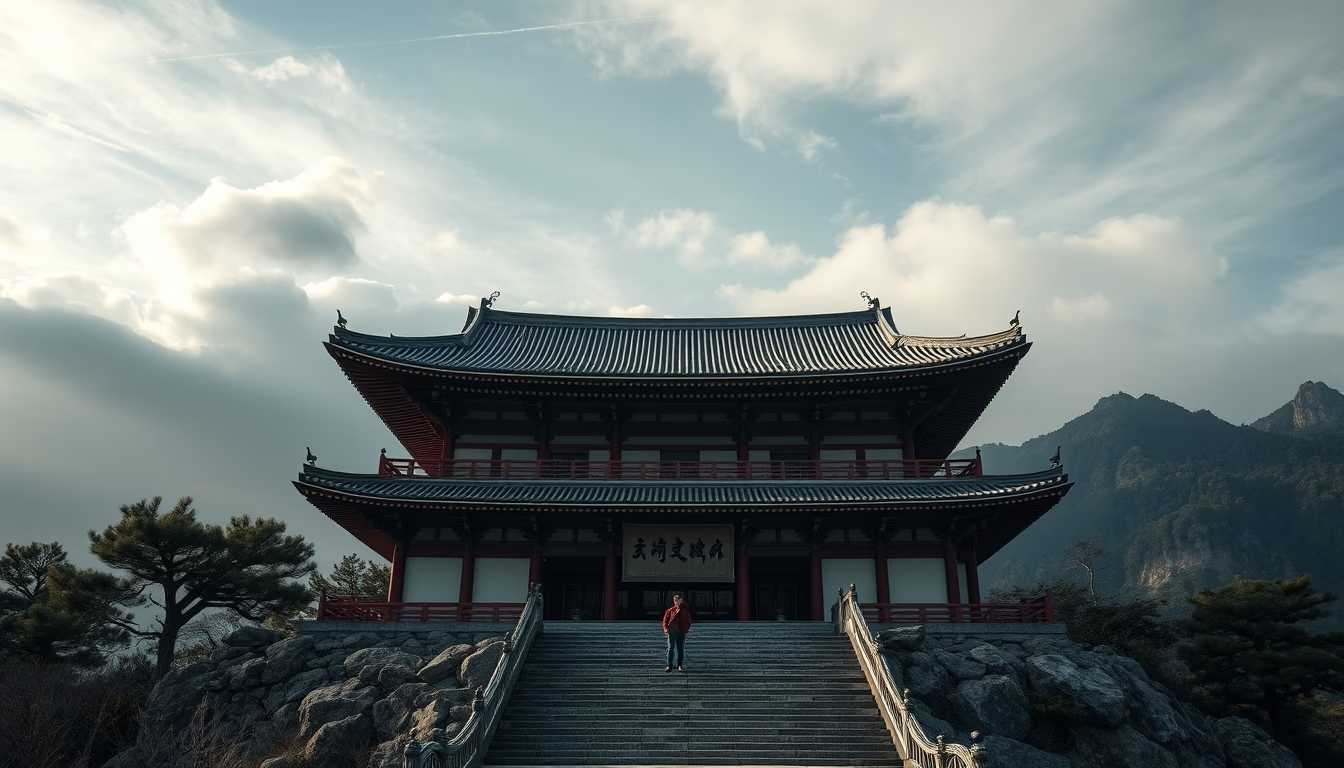
Zen tea houses in rural Japan combine minimalist architecture, nature, and tea rituals. Explore their history and symbolism.
About this subject
Zen tea houses (chashitsu) are traditional Japanese structures designed for the tea ceremony (chanoyu), a practice deeply rooted in Zen Buddhism. Originating in the 16th century under the influence of master Sen no Rikyu, these buildings seek simplicity (wabi-sabi) and harmony with nature. Located in rural areas, often in meticulously planned gardens, they use natural materials like wood, bamboo, and clay, with thatched or ceramic roofs. The small size, typically two to four tatami mats, invites introspection and equality among participants, who enter through a low door (nijiriguchi) requiring a bow, a symbol of humility.
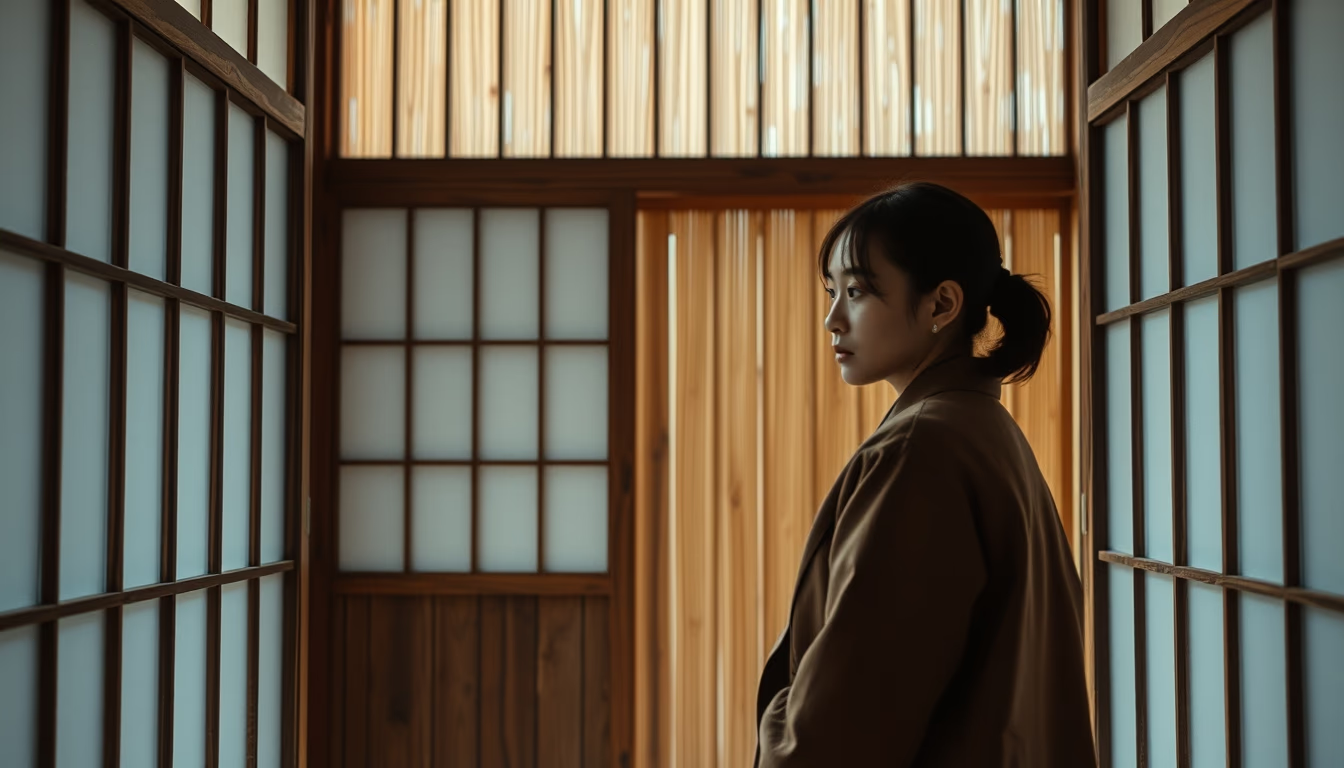
The layout follows aesthetic and functional principles: the tokonoma (alcove) holds a calligraphy scroll or flower arrangement (chabana), while the brazier (ro) heats water in winter. Rice-paper windows (shoji) filter natural light, creating a serene atmosphere. In rural Japan, many chashitsu blend into the landscape, such as in the village of Shirakawa-go or around Kyoto, where temples like Juko-in or Ginkaku-ji preserve historic examples. Unlike urban ones, rural tea houses often use local stones and take advantage of topography, like slopes or stream banks, to incorporate sounds of water and wind.
Culturally, the tea house represents a microcosm of the Zen universe: every gesture and object has meaning, from the choice of ceramics to the way matcha tea is served. The practice reinforces mindfulness, respect, and impermanence. Today, contemporary architects like Kengo Kuma reinterpret these concepts in modern projects while retaining the Zen essence. For visitors, experiencing a ceremony in a rural chashitsu offers immersion in Japanese culture away from mass tourism, with emphasis on seasonality - cherry blossoms in spring, autumn leaves, snow in winter.
Frequently Asked Questions
What does wabi-sabi mean in Zen tea houses?
Wabi-sabi is the aesthetic principle that values beauty in imperfection, simplicity, and transience. In tea houses, this is reflected in aged natural materials, asymmetry, and lack of excessive decoration.
Why is the entrance of tea houses so low?
The low door (nijiriguchi) forces all visitors to bow upon entering, symbolizing humility and equality between host and guests, regardless of social status.
What is the difference between urban and rural tea houses?
Rural ones tend to use more local materials and integrate into the natural landscape, such as slopes or streams, while urban ones may be more formal and close to temples. Both follow the same Zen design, but the surroundings differ.
Direct URL
https://pub-c7d6a6ea828543ac903a74a341ccb2e1.r2.dev/imagens/zen-tea-house-rural-japan-architectural-photography-fresh1.avifHow to credit
Include a visible link back to UtilizAí. Copy one of the snippets below:
<a href="https://xn--utiliza-eza.com/en/midia/imagens/zen-tea-house-rural-japan-architectural-photography-fresh1">Zen tea house rural japan</a> by <a href="https://xn--utiliza-eza.com">UtilizAí</a>, licensed under <a href="https://creativecommons.org/licenses/by/4.0/">CC BY 4.0</a>.
[Zen tea house rural japan](https://xn--utiliza-eza.com/en/midia/imagens/zen-tea-house-rural-japan-architectural-photography-fresh1) by [UtilizAí](https://xn--utiliza-eza.com), CC BY 4.0
License: CC-BY-4.0