Wax seal stamp
1344×768 · AVIF · CC BY 4.0
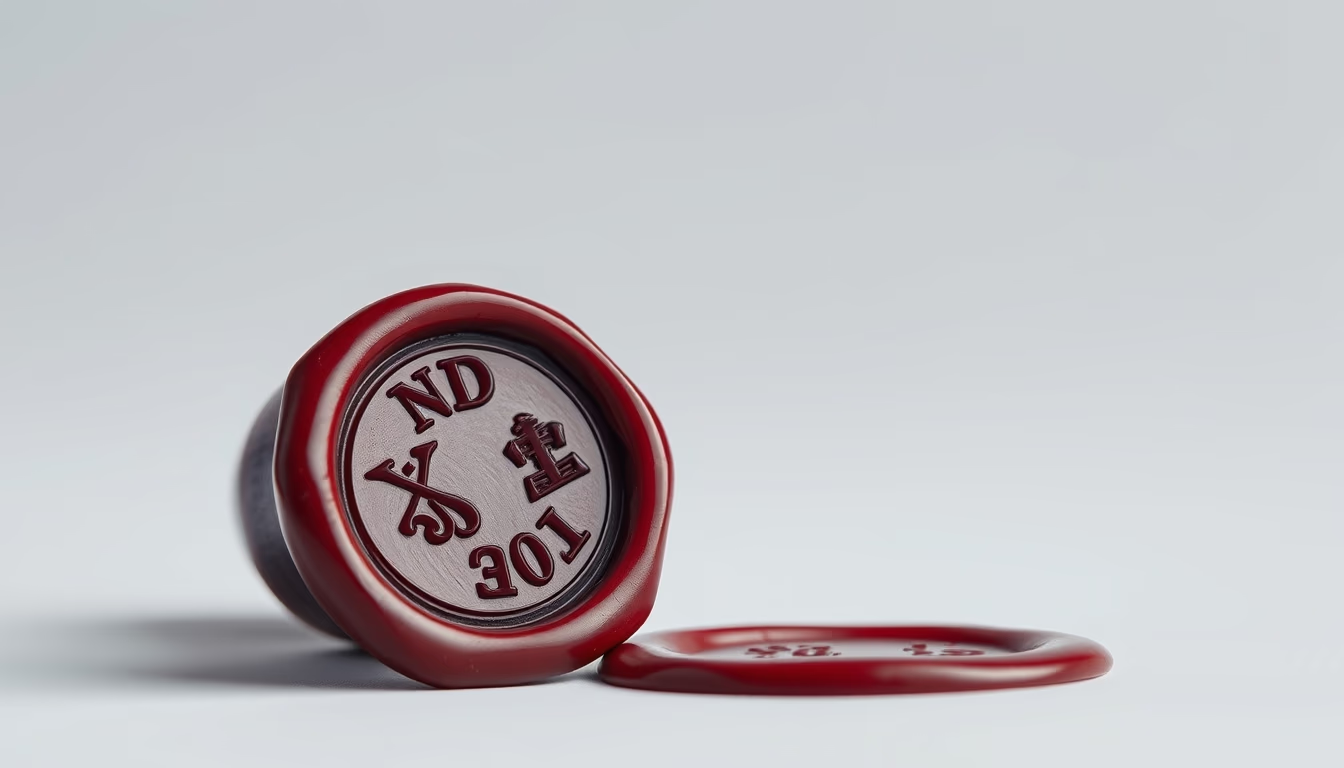
The wax seal stamp, also known as a signet, is an ancient tool used to authenticate documents and correspondence, with origins tracing back to Mesopotamian civilizations.
About this subject
The wax seal stamp, or signet, is a historical instrument that played a crucial role in communication and bureaucracy for millennia. First used in Mesopotamia around 3500 BCE, early seals were cylindrical and engraved with symbols representing authority or ownership. When rolled over wet clay, they left a unique imprint, functioning as a personal signature.
In medieval Europe, wax seals with personalized signets became common among nobles, kings, and ecclesiastical institutions. Seals were carved from precious metals or hard stones like agate and jasper, often displaying family coats of arms or religious emblems. Wax, typically red, black, or green, was melted and dripped onto the document, then pressed with the signet, creating a relief that ensured the message's inviolability. Breaking the seal without authorization was considered a serious crime, equivalent to forgery.
With the advent of modern mail and adhesive envelopes in the 19th century, wax seals lost their practical function but remained as decorative and ceremonial elements. Today, they are used in wedding invitations, diplomas, and solemn documents, and are valued by collectors and artisans. The handmade production of personalized signets is still practiced, combining traditional engraving with digital design. Interestingly, in Brazil, the use of seals in letters spread during the imperial period, associated with the formality of the Portuguese court.
Beyond its practical function, the signet carries strong symbolism of identity and power. In heraldry, the choice of colors and figures on the seal represented virtues or achievements of the lineage. Famous historical seals include the Pope's seal used in papal bulls and the Great Seal of the United Kingdom, still employed in official acts. The art of wax sealing also influences pop culture, appearing in films and series as an element of mystery and tradition.
Frequently Asked Questions
What is the difference between a signet and a wax seal stamp?
Signet is the traditional term for a wax seal stamp, usually with a personalized design engraved in metal or stone. A wax seal stamp can refer to any tool that presses wax, while signet historically indicates a personal or official seal of authority.
What type of wax is used for seals?
Traditionally, beeswax mixed with pigments was used, such as vermilion for red or lampblack for black. Today, synthetic resin-based waxes are common because they do not stick to paper and have a lower melting point.
How can a document be authenticated with a wax seal today?
While wax seals no longer have legal validity for authentication in most countries, they are still used in formal ceremonies to symbolize an official seal. For actual authenticity, digital certificates or notarial seals are recommended.
Direct URL
https://pub-c7d6a6ea828543ac903a74a341ccb2e1.r2.dev/imagens/wax-seal-stamp-studio-still-life-p0.avifHow to credit
Include a visible link back to UtilizAí. Copy one of the snippets below:
<a href="https://xn--utiliza-eza.com/en/midia/imagens/wax-seal-stamp-studio-still-life-p0">Wax seal stamp</a> by <a href="https://xn--utiliza-eza.com">UtilizAí</a>, licensed under <a href="https://creativecommons.org/licenses/by/4.0/">CC BY 4.0</a>.
[Wax seal stamp](https://xn--utiliza-eza.com/en/midia/imagens/wax-seal-stamp-studio-still-life-p0) by [UtilizAí](https://xn--utiliza-eza.com), CC BY 4.0
License: CC-BY-4.0