Wax seal stamp
1344×768 · AVIF · CC BY 4.0
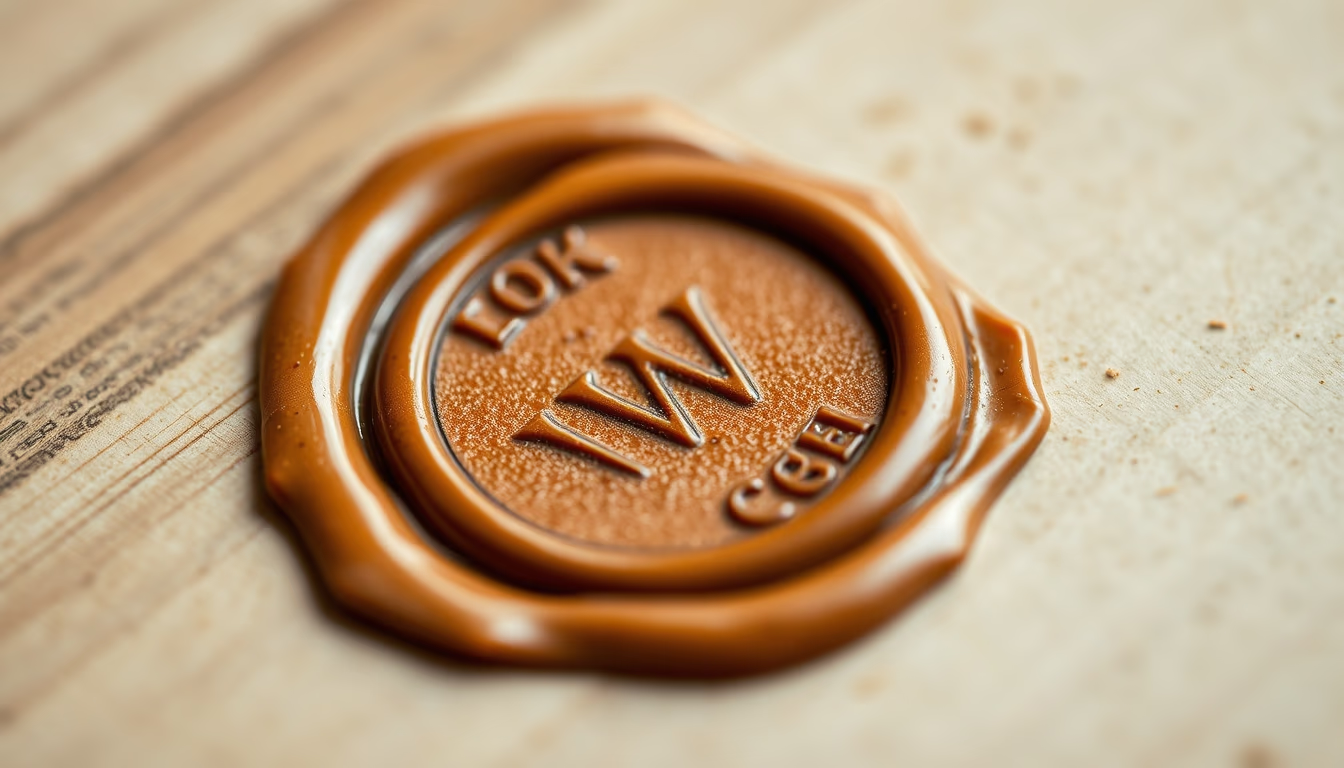
The wax seal stamp, historically used to authenticate documents, reveals the importance of sealing in pre-digital communication.
About this subject
The wax seal stamp, also known as a sealing stamp, dates back to antiquity, used to seal correspondence and documents with melted wax, imprinting a distinctive mark. In the Middle Ages, wax seals were symbols of authority and authenticity, often associated with nobles, kings, and ecclesiastical institutions. Each seal bore a coat of arms, monogram, or personal symbol, functioning as a visual signature that guaranteed the integrity of the content, as breaking the seal indicated tampering. Materials varied: beeswax was common, but mixtures with resins and pigments (such as Spanish red) added durability and color.
The practice of sealing peaked between the 12th and 19th centuries, when written communication relied solely on messengers. The seal not only protected the document but also reflected social status: elaborate stamps carved from metal or stone were items of ostentation. With the advent of adhesive envelopes and electronic communication, its use declined, but never disappeared. Today, wax seal stamps are valued in formal ceremonies, weddings, invitations, and by calligraphy enthusiasts, representing a link to the past.
Interestingly, the word 'lacre' (Portuguese for sealing wax) originates from Spanish 'lacre', derived from Arabic 'lakk', referring to a resin used in sealing. In Brazil, the stamp gained prominence during the imperial period, when the Portuguese Court used royal seals for official correspondence. Currently, collectors seek antique stamps at antique fairs, and artisans produce custom models, keeping this tradition alive. Macrophotography of a stamp details these engravings, revealing the precision of hand carving in metals like brass, silver, or steel.
Frequently Asked Questions
What is the difference between a seal stamp and a wax seal?
The stamp is the tool that imprints the design into the wax; the wax seal is the resulting impression. Often used interchangeably, but technically the stamp is the matrix and the seal is the impression.
How to identify an original antique seal stamp?
An antique stamp usually shows natural wear on the metal, hand-carved engravings with slight imperfections, and may have silversmith marks. Residual wax or patina also indicate age. Modern stamps tend to be more precise due to CNC machining.
Are wax seals still used today?
Yes, mainly in ceremonial contexts, wedding invitations, diplomas, and diplomatic documents. Also popular among calligraphy hobbyists and vintage mail enthusiasts. Modern wax is more flexible and less brittle than traditional wax.
Direct URL
https://pub-c7d6a6ea828543ac903a74a341ccb2e1.r2.dev/imagens/wax-seal-stamp-macro-closeup-p9.avifHow to credit
Include a visible link back to UtilizAí. Copy one of the snippets below:
<a href="https://xn--utiliza-eza.com/en/midia/imagens/wax-seal-stamp-macro-closeup-p9">Wax seal stamp</a> by <a href="https://xn--utiliza-eza.com">UtilizAí</a>, licensed under <a href="https://creativecommons.org/licenses/by/4.0/">CC BY 4.0</a>.
[Wax seal stamp](https://xn--utiliza-eza.com/en/midia/imagens/wax-seal-stamp-macro-closeup-p9) by [UtilizAí](https://xn--utiliza-eza.com), CC BY 4.0
License: CC-BY-4.0