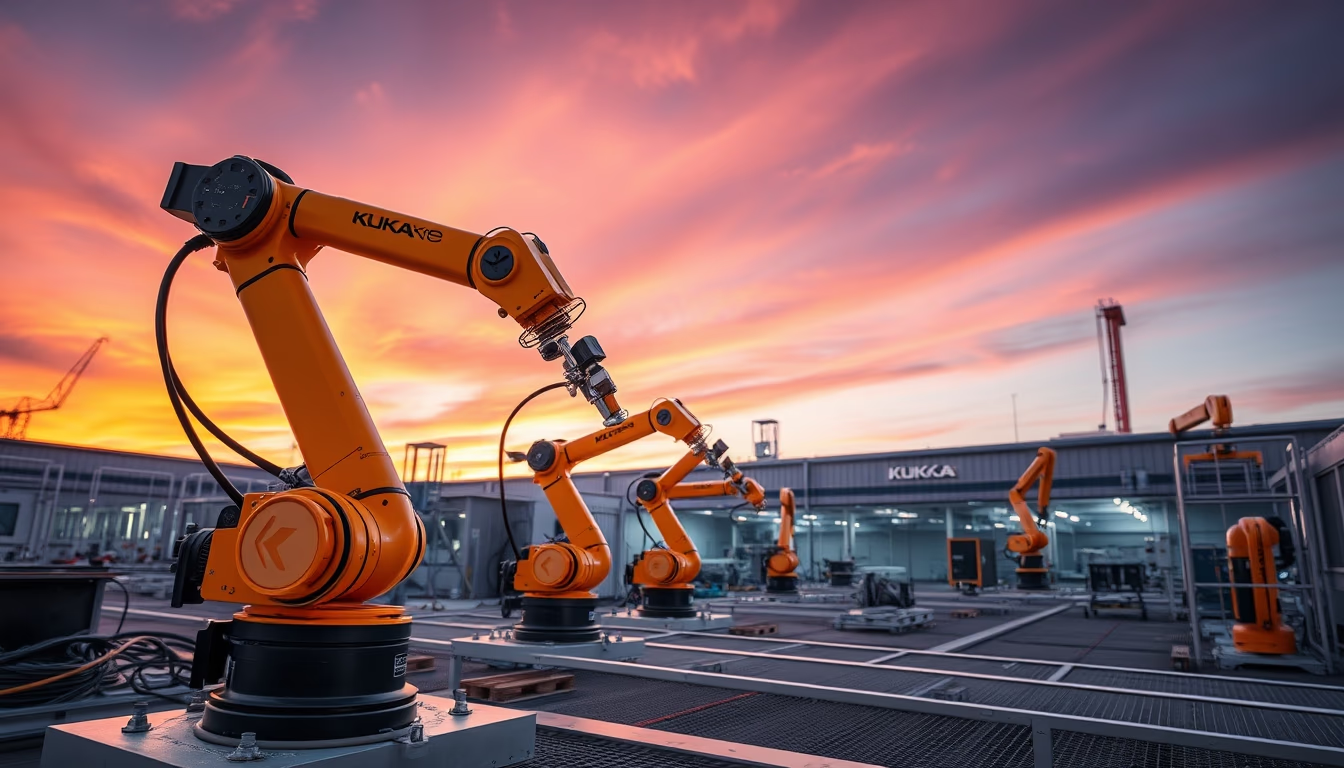
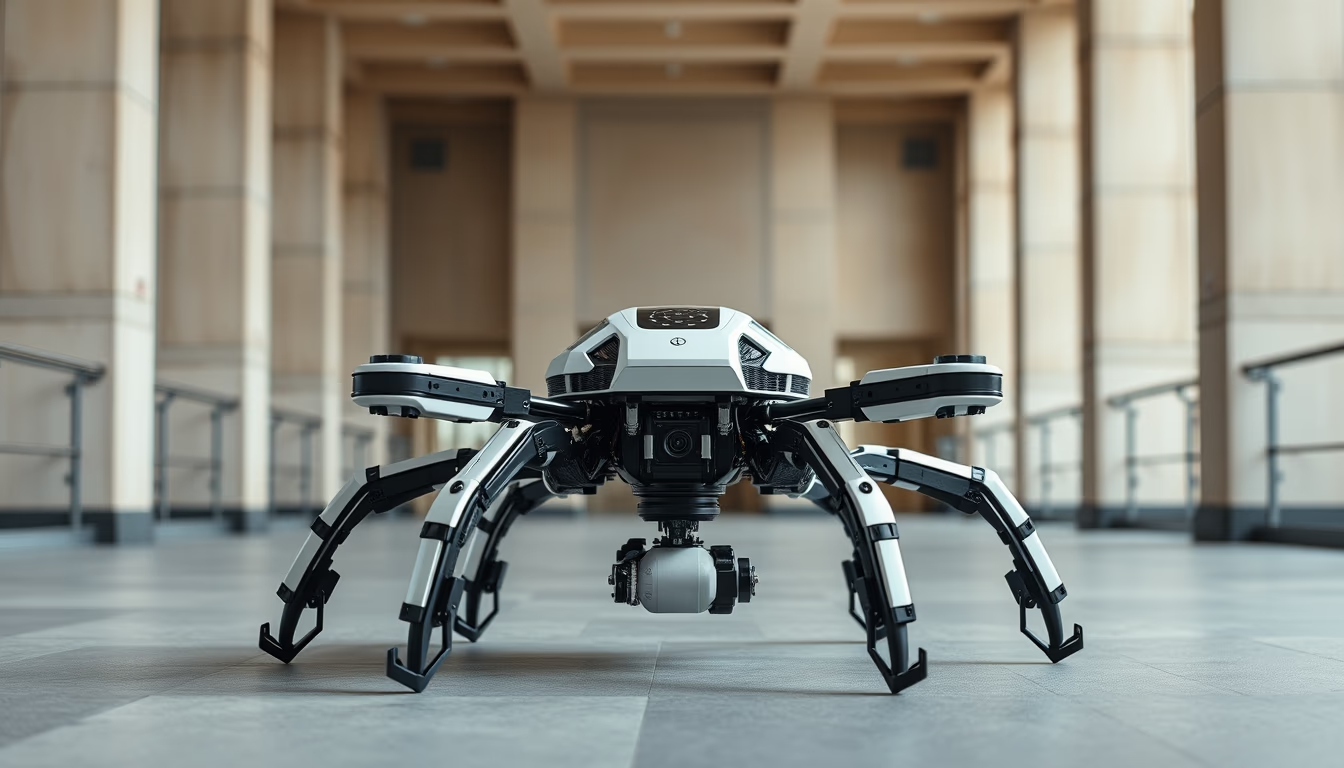
Warehouse robot agv
1344×768 · AVIF · CC BY 4.0
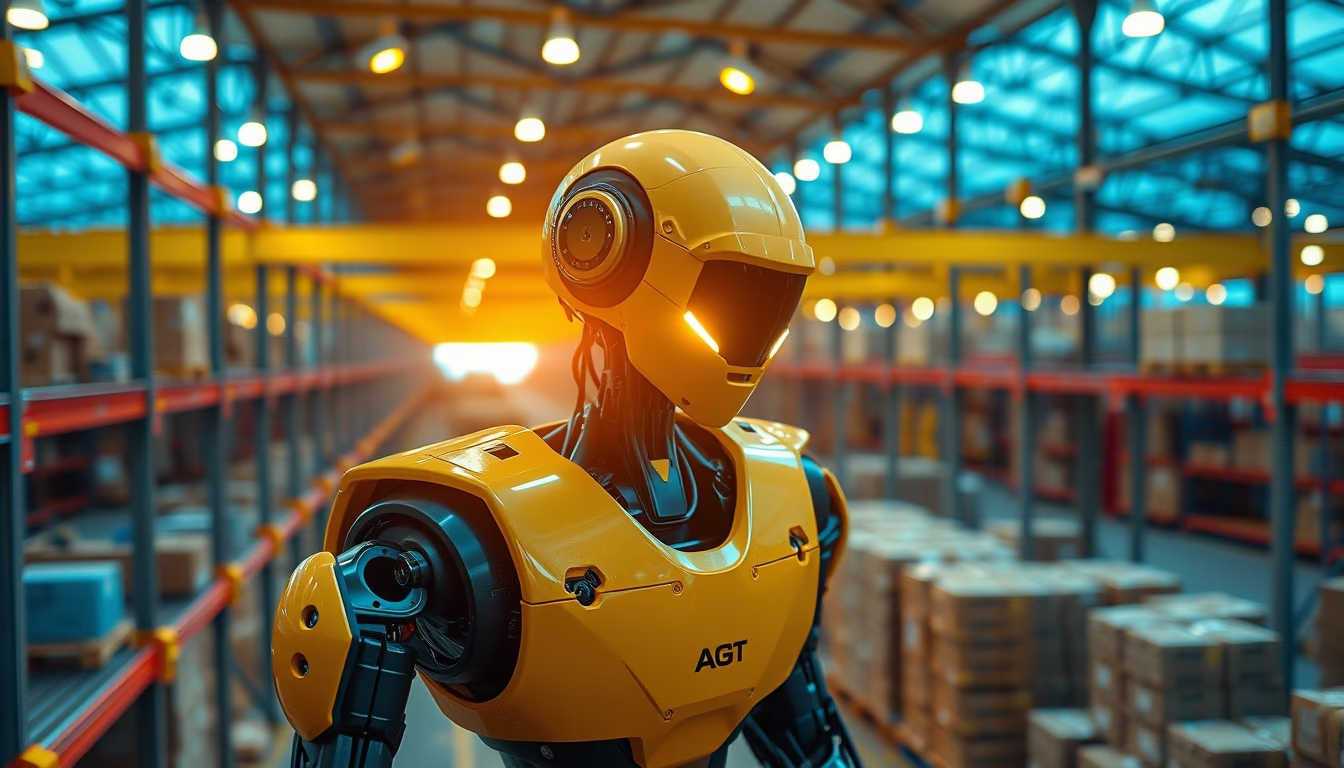
AGV (Automated Guided Vehicle) robots revolutionize warehouse logistics with autonomous navigation and operational efficiency.
About this subject
Automated Guided Vehicles (AGVs) are mobile robots used in warehouses and distribution centers to transport materials without human intervention. They follow predefined paths using sensors, magnetic wires, or computer vision systems, optimizing goods flow and reducing errors. Major companies like Amazon and Alibaba employ thousands of these robots in their operations, achieving productivity gains of up to 30%.
AGV technology has evolved significantly since the 1950s. Originally used in the automotive industry, today they incorporate artificial intelligence to avoid obstacles and communicate with warehouse management systems (WMS). Modern models can lift loads up to two tons and operate 24/7 with autonomous recharging.
In Brazil, AGV adoption is growing in sectors such as food, pharmaceuticals, and e-commerce. Brazilian logistics companies report operational cost reductions of up to 40% after implementation. The trend points to even wider use with the expansion of Industry 4.0 and online retail.
Interesting fact: some AGVs navigate using QR codes on the floor, while others rely on lasers or 3D cameras to map the environment. Safety is prioritized with sensors that stop the robot immediately upon detecting people or obstacles.
Frequently Asked Questions
What is the difference between an AGV and an Autonomous Mobile Robot (AMR)?
AGVs follow fixed routes using sensors and external infrastructure (wires, markers), while AMRs use sensors and software to navigate freely without predefined paths. AMRs are more flexible, but AGVs are better for repetitive tasks with high efficiency.
Which sectors most use AGVs in Brazil?
The food, pharmaceutical, automotive, and e-commerce sectors lead adoption. Large distribution centers and factories use AGVs for internal pallet transport, order picking, and inventory movement.
Do AGVs completely eliminate the need for human workers?
No. They replace repetitive and heavy tasks but still require human supervision and maintenance. Workers are reassigned to more strategic roles like quality control and exception management.
Direct URL
https://pub-c7d6a6ea828543ac903a74a341ccb2e1.r2.dev/imagens/warehouse-robot-agv-aerial-drone-shot-p8.avifHow to credit
Include a visible link back to UtilizAí. Copy one of the snippets below:
<a href="https://xn--utiliza-eza.com/en/midia/imagens/warehouse-robot-agv-aerial-drone-shot-p8">Warehouse robot agv</a> by <a href="https://xn--utiliza-eza.com">UtilizAí</a>, licensed under <a href="https://creativecommons.org/licenses/by/4.0/">CC BY 4.0</a>.
[Warehouse robot agv](https://xn--utiliza-eza.com/en/midia/imagens/warehouse-robot-agv-aerial-drone-shot-p8) by [UtilizAí](https://xn--utiliza-eza.com), CC BY 4.0
License: CC-BY-4.0