Viking helmet replica
1344×768 · AVIF · CC BY 4.0
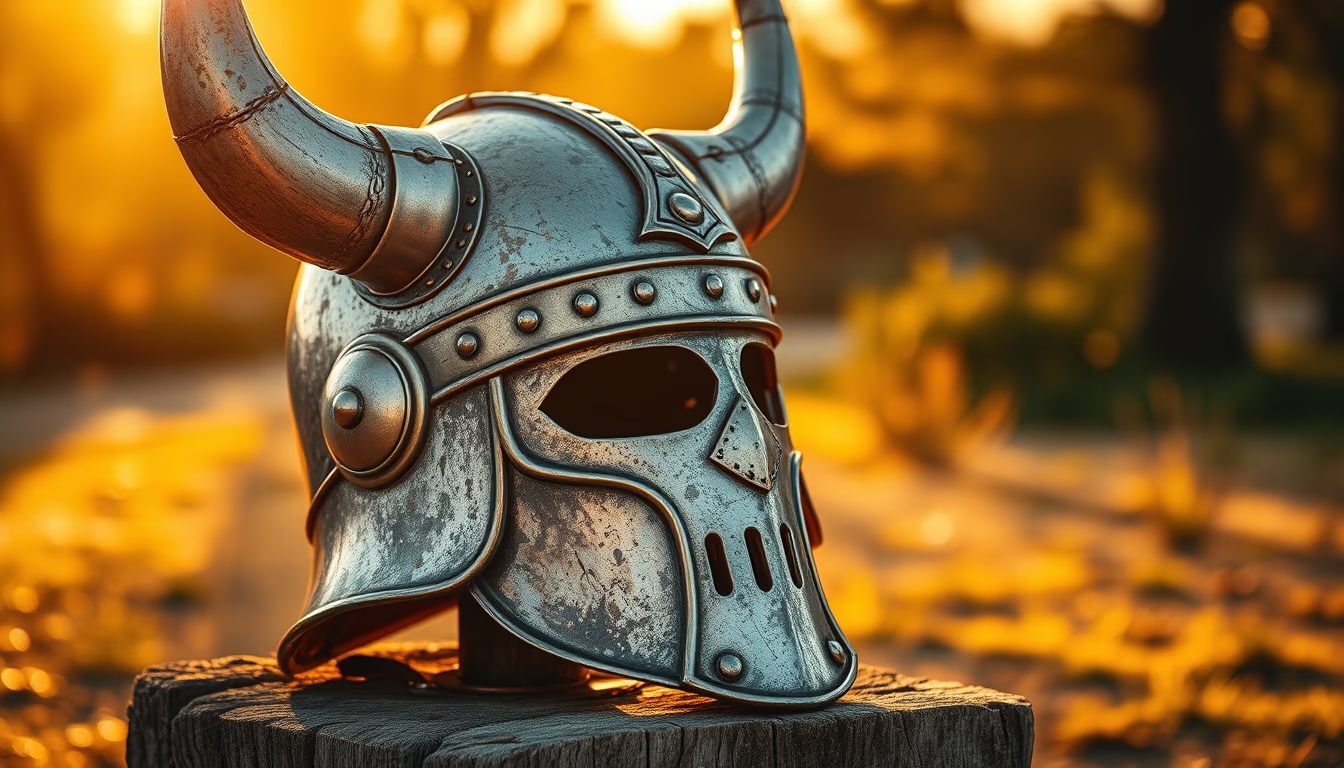
Viking helmet replicas are study and collection objects that reveal myths and truths about medieval Norse culture.
About this subject
Viking helmets, often depicted with horns in popular culture, never actually had this feature. Archaeological evidence, such as the Gjermundbu helmet found in Norway in 1943, shows a simple iron design without horns, featuring eye protection and a central ridge. This find is the only relatively complete Viking helmet ever discovered, dating from the 10th century. The horn myth was popularized in the 19th century by Romantic artists and Wagner's operas, influencing the modern image.
Modern replicas are produced by artisans and museums for educational purposes, historical reenactments, and collectors. They follow precise details from the few fragments found, such as forged iron and inner leather. Manufacturing requires metalworking techniques similar to the Viking Age, including hammering and welding. Many replicas are used in historical reenactment events where enthusiasts simulate battles and daily life.
Besides the Gjermundbu helmet, other fragments have been found in Sweden and Denmark, but none with horns. The stereotypical image persists in media and decoration, but experts see replicas as tools to demystify Norse culture. The replica market ranges from museums to RPG games, with prices varying according to historical accuracy and materials.
The importance of replicas goes beyond collecting: they allow testing hypotheses about use, comfort, and combat effectiveness. Researchers use replicas for ergonomic and ballistic studies, contributing to experimental archaeology. For the public, holding a replica helps connect with the past, correcting misconceptions and valuing the true Viking heritage.
Frequently Asked Questions
Why didn't Viking helmets have horns?
No archaeological evidence supports horned helmets in the Viking Age. The myth originated in the 19th century from artists and operas that romanticized Vikings, associating them with horns to appear more barbaric.
Where can I find an authentic Viking helmet replica?
Historical replicas are sold by specialized historical reenactment shops, museums, and artisans. Look for those following the Gjermundbu model and using materials like iron and leather.
What is the importance of replicas for archaeology?
They enable experimental archaeology by testing functionality, durability, and comfort. They help understand manufacturing techniques and combat use, complementing original finds.
Direct URL
https://pub-c7d6a6ea828543ac903a74a341ccb2e1.r2.dev/imagens/viking-helmet-replica-travel-photography-p4.avifHow to credit
Include a visible link back to UtilizAí. Copy one of the snippets below:
<a href="https://xn--utiliza-eza.com/en/midia/imagens/viking-helmet-replica-travel-photography-p4">Viking helmet replica</a> by <a href="https://xn--utiliza-eza.com">UtilizAí</a>, licensed under <a href="https://creativecommons.org/licenses/by/4.0/">CC BY 4.0</a>.
[Viking helmet replica](https://xn--utiliza-eza.com/en/midia/imagens/viking-helmet-replica-travel-photography-p4) by [UtilizAí](https://xn--utiliza-eza.com), CC BY 4.0
License: CC-BY-4.0