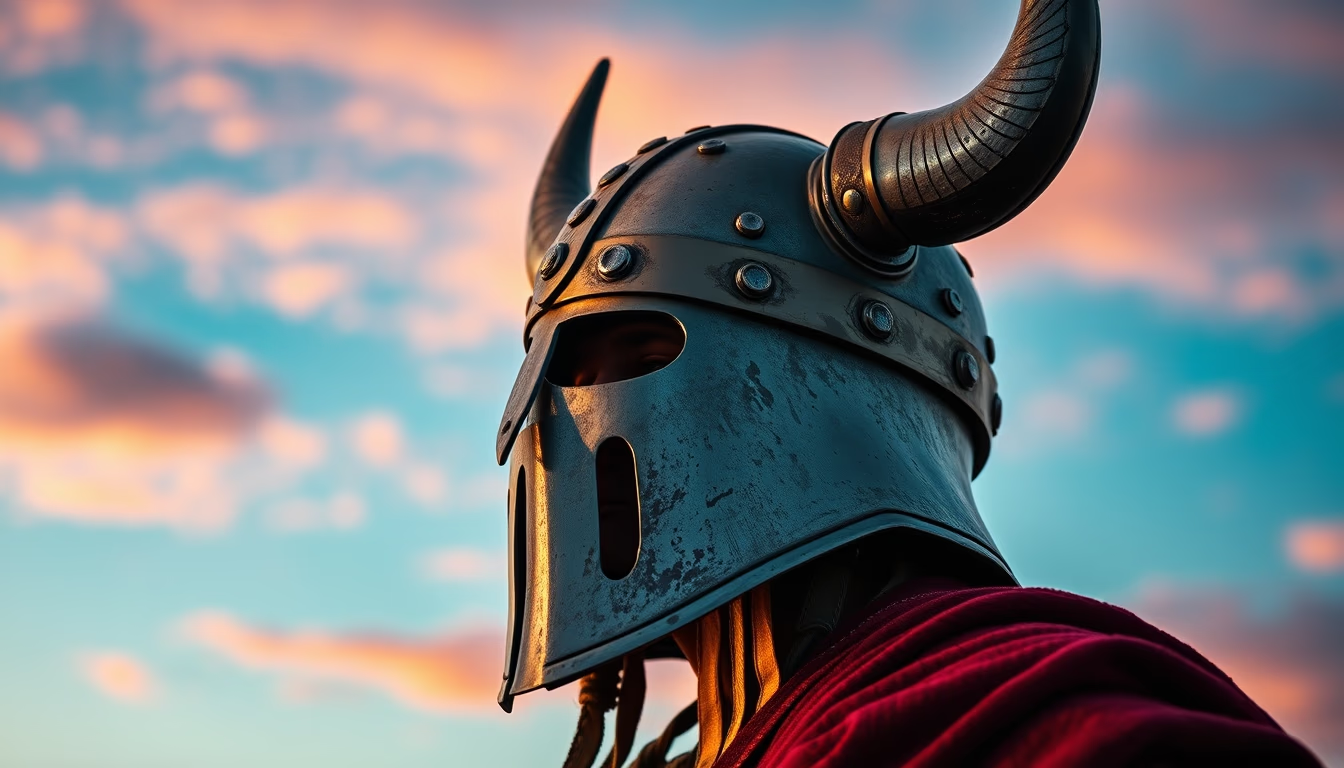
Viking helmet replica
1344×768 · AVIF · CC BY 4.0
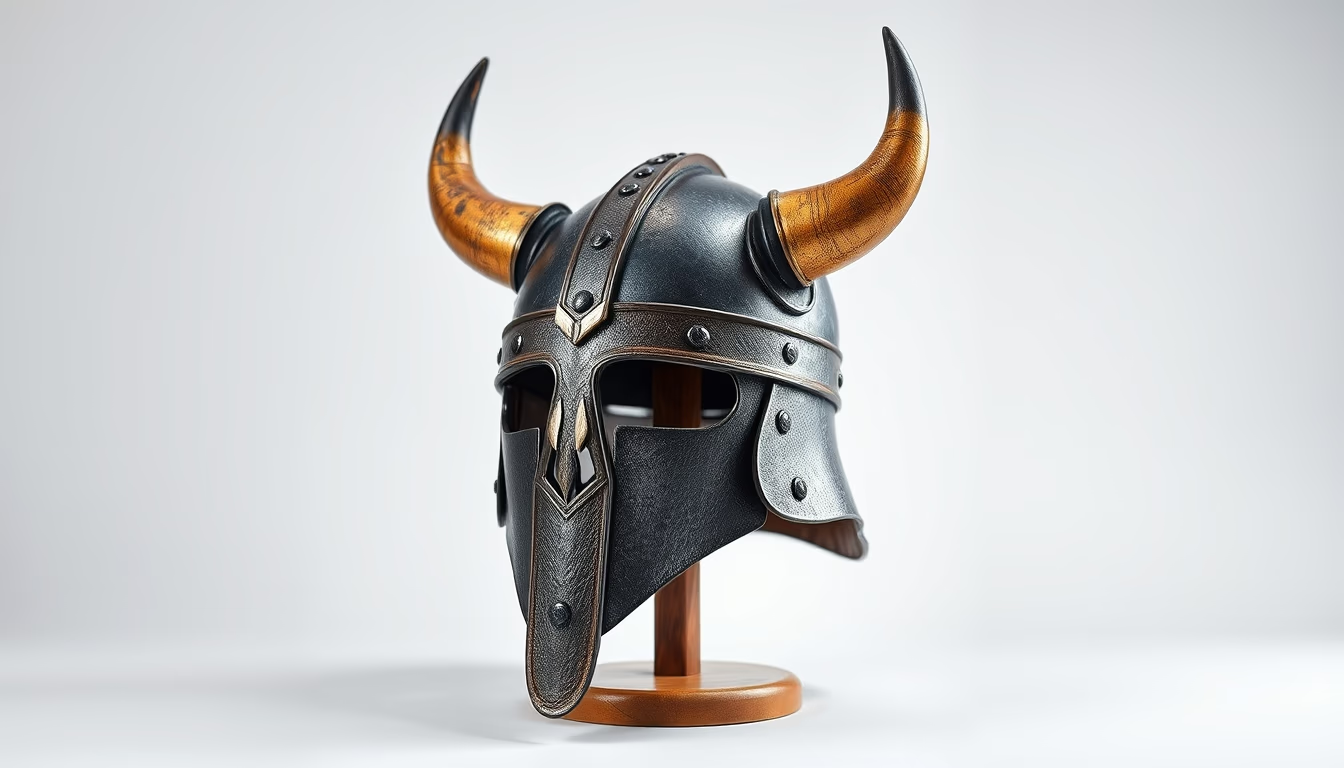
Viking helmet replicas are study and decoration objects that reveal myths and truths about Norse culture.
About this subject
Viking helmets often depicted in popular culture with horns are a myth propagated in the 19th century, especially through Richard Wagner's operas. Real Viking helmets, dating from the Viking Age (roughly 793-1066 AD), were simple, made of iron or leather, with a conical or rounded shape, and often included a nasal guard. The only nearly complete Viking helmet found is the Gjermundbu helmet in Norway, dating from the 10th century, which has no horns.
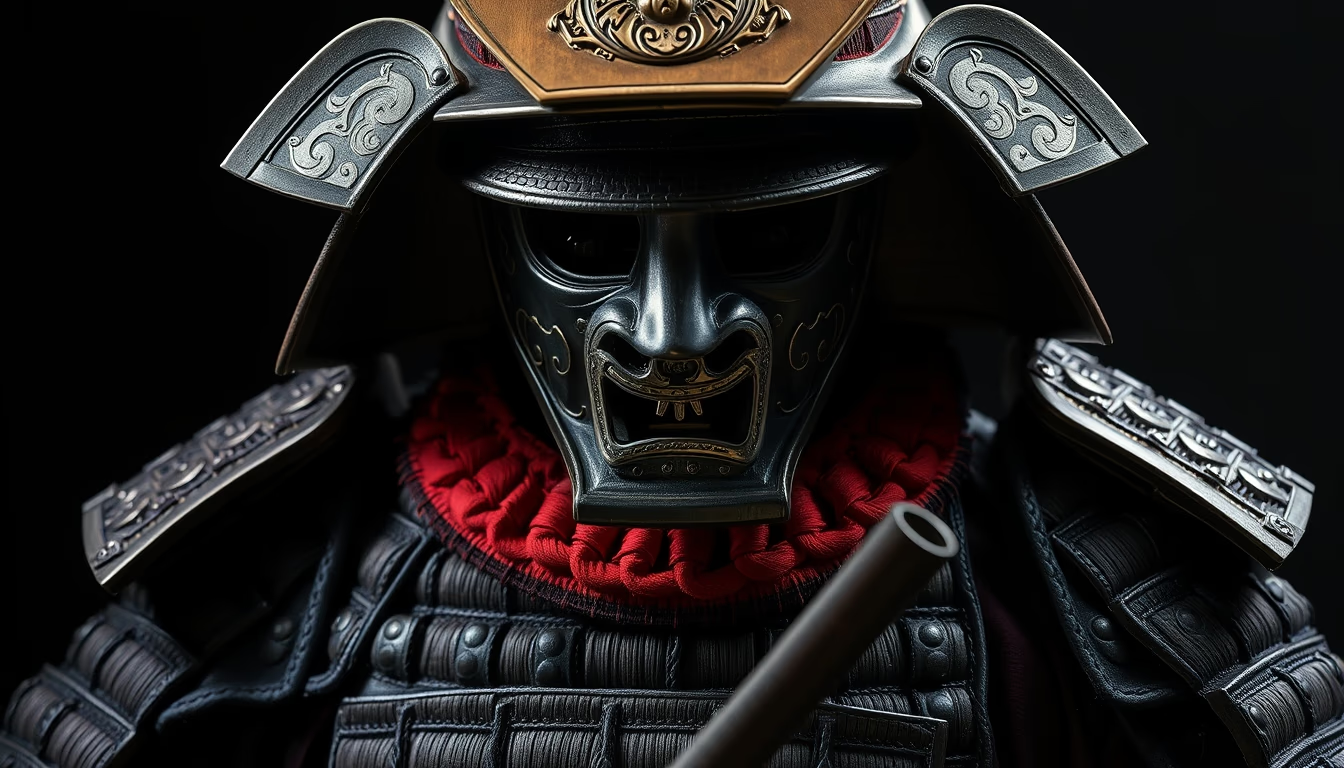
Modern replicas, like the one shown in this studio still life, are produced for various purposes: historical reenactment, collecting, thematic decoration, and use in films and series. They are often faithful to archaeological finds, although horned versions are still sold to meet popular imagination. Crafting a replica involves metallurgical techniques such as hammering and soldering, and may use materials like steel, brass, and leather.
The historical importance of Viking helmets extends beyond military protection; they also symbolized status and identity. Elite warriors could have helmets adorned with inlays or metal details. Today, replicas help educate the public about true Viking culture, dispelling common misconceptions. At the same time, they feed the entertainment industry, appearing in productions like the series 'Vikings' and Marvel movies.
Interestingly, the association of Vikings with horns may also stem from depictions of Norse gods, such as Odin, who was sometimes portrayed with a winged helmet. However, for ordinary warriors, the helmet was a functional item, not ceremonial. Historical accuracy of replicas varies, and enthusiasts seek pieces that strictly follow available archaeological evidence.
Frequently Asked Questions
Did Vikings wear horned helmets?
No. The image of horned Viking helmets is a 19th-century myth, popularized by operas and romantic illustrations. Real helmets were simple, without horns.
What were authentic Viking helmets like?
They were made of iron or leather, conical or rounded in shape, and often had a nasal guard. The Gjermundbu helmet from Norway is the most complete example.
What are Viking helmet replicas used for today?
They are used in historical reenactments, decoration, collecting, and media productions. They help educate the public about true Viking culture and dispel misconceptions.
Direct URL
https://pub-c7d6a6ea828543ac903a74a341ccb2e1.r2.dev/imagens/viking-helmet-replica-studio-still-life-p10.avifHow to credit
Include a visible link back to UtilizAí. Copy one of the snippets below:
<a href="https://xn--utiliza-eza.com/en/midia/imagens/viking-helmet-replica-studio-still-life-p10">Viking helmet replica</a> by <a href="https://xn--utiliza-eza.com">UtilizAí</a>, licensed under <a href="https://creativecommons.org/licenses/by/4.0/">CC BY 4.0</a>.
[Viking helmet replica](https://xn--utiliza-eza.com/en/midia/imagens/viking-helmet-replica-studio-still-life-p10) by [UtilizAí](https://xn--utiliza-eza.com), CC BY 4.0
License: CC-BY-4.0