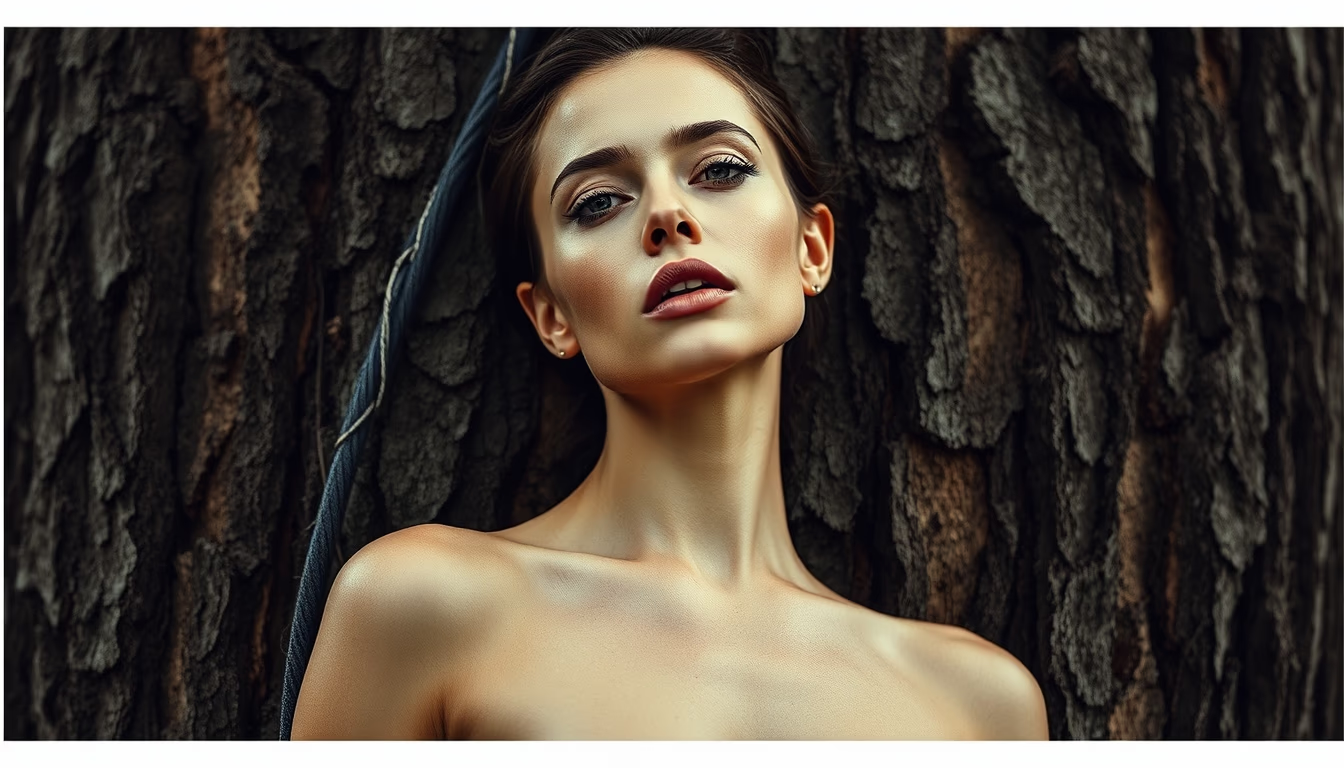
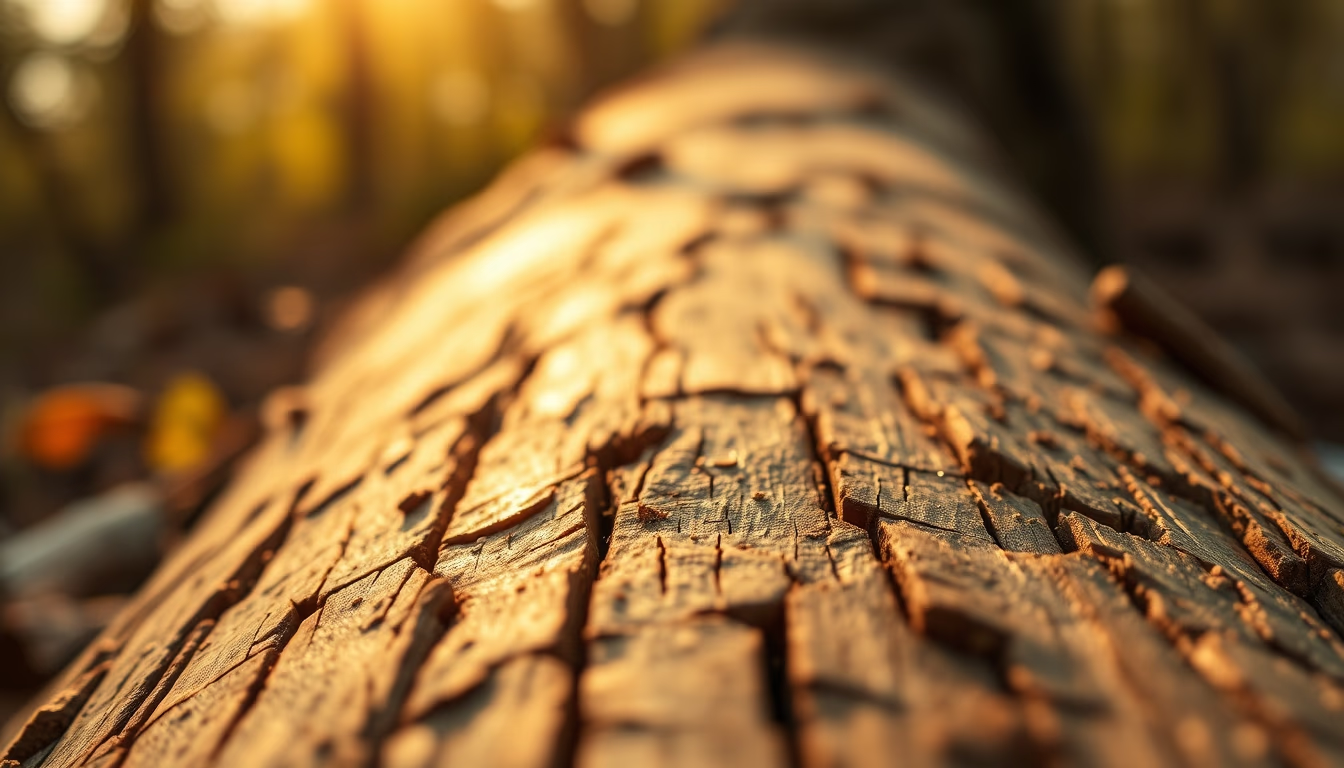
Tree bark texture
1344×768 · AVIF · CC BY 4.0
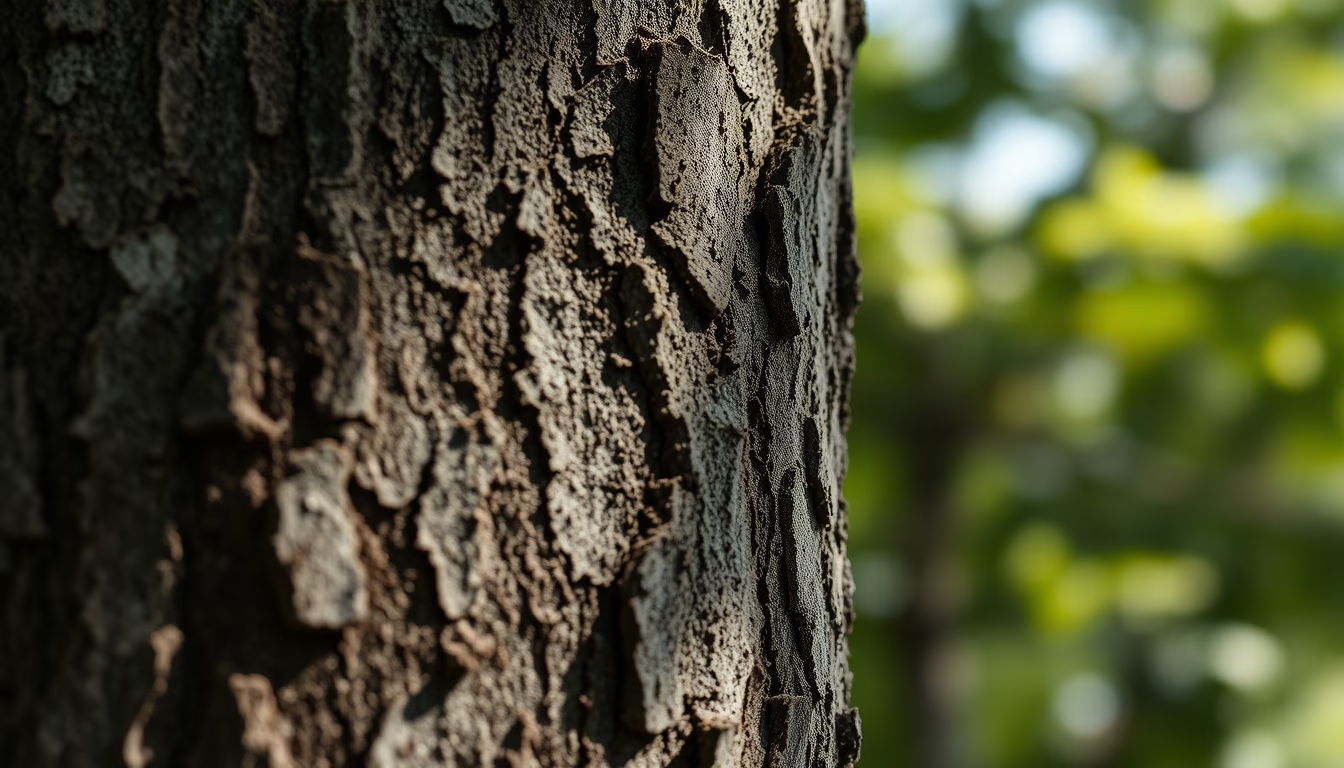
Tree bark texture reveals unique patterns that vary among species, ages, and environmental conditions, making it a rich subject for macro photography.
About this subject
Bark is the outermost layer of tree trunks, branches, and roots, serving as a protective barrier against external threats. Its texture can be smooth, as in jabuticaba trees, or rough and furrowed, as in oaks. These differences arise from the activity of the cambium, the tissue responsible for girth growth, and the accumulation of dead cells (cork). In dry climates, thick, corky barks help retain water; in humid forests, thin, slippery barks hinder the attachment of epiphytic plants.
Macro photography of bark textures explores contrasts of light and shadow, highlighting fissures, scales, and lichens. Each species has a distinct pattern: the sycamore peels in plates, eucalyptus has long fibers, and the yellow ipê exhibits deep grooves. Colors also vary, from silvery gray to reddish brown, influenced by tannins and fungal presence. These elements make bark a versatile material for designers and artists, who use it as inspiration for prints and digital textures.
Beyond aesthetics, bark performs vital ecological functions. It insulates the tree against extreme temperatures, protects against herbivores and pathogens, and stores nutrients. In some species, like the cork oak, bark is harvested commercially for cork production. Texture also affects biodiversity: rough barks harbor insects, mosses, and fungi, contributing to microhabitats.
Frequently Asked Questions
Why do tree barks have such different textures?
Texture varies due to genetic factors, tree age, climate, and ecological adaptations. Species in dry environments tend to have thicker, corkier barks to retain water, while those in humid areas have thinner, smoother barks to avoid moisture and fungal buildup.
How does bark protect the tree?
Bark acts as a physical barrier against herbivores, pathogens, and fire. It also insulates the tree against extreme temperatures and helps reduce water loss. The cork layer (dead cells) is impermeable and provides thermal insulation.
Which Brazilian trees have striking bark textures?
The yellow ipê has furrowed and scaly bark; the embaúba has smooth, silvery bark; and the pau-brasil has grayish bark with spots. The cork oak has thick, corky bark, used in cork production.
Direct URL
https://pub-c7d6a6ea828543ac903a74a341ccb2e1.r2.dev/imagens/tree-bark-texture-minimalist-composition-p0.avifHow to credit
Include a visible link back to UtilizAí. Copy one of the snippets below:
<a href="https://xn--utiliza-eza.com/en/midia/imagens/tree-bark-texture-minimalist-composition-p0">Tree bark texture</a> by <a href="https://xn--utiliza-eza.com">UtilizAí</a>, licensed under <a href="https://creativecommons.org/licenses/by/4.0/">CC BY 4.0</a>.
[Tree bark texture](https://xn--utiliza-eza.com/en/midia/imagens/tree-bark-texture-minimalist-composition-p0) by [UtilizAí](https://xn--utiliza-eza.com), CC BY 4.0
License: CC-BY-4.0