Tree bark texture
1344×768 · AVIF · CC BY 4.0
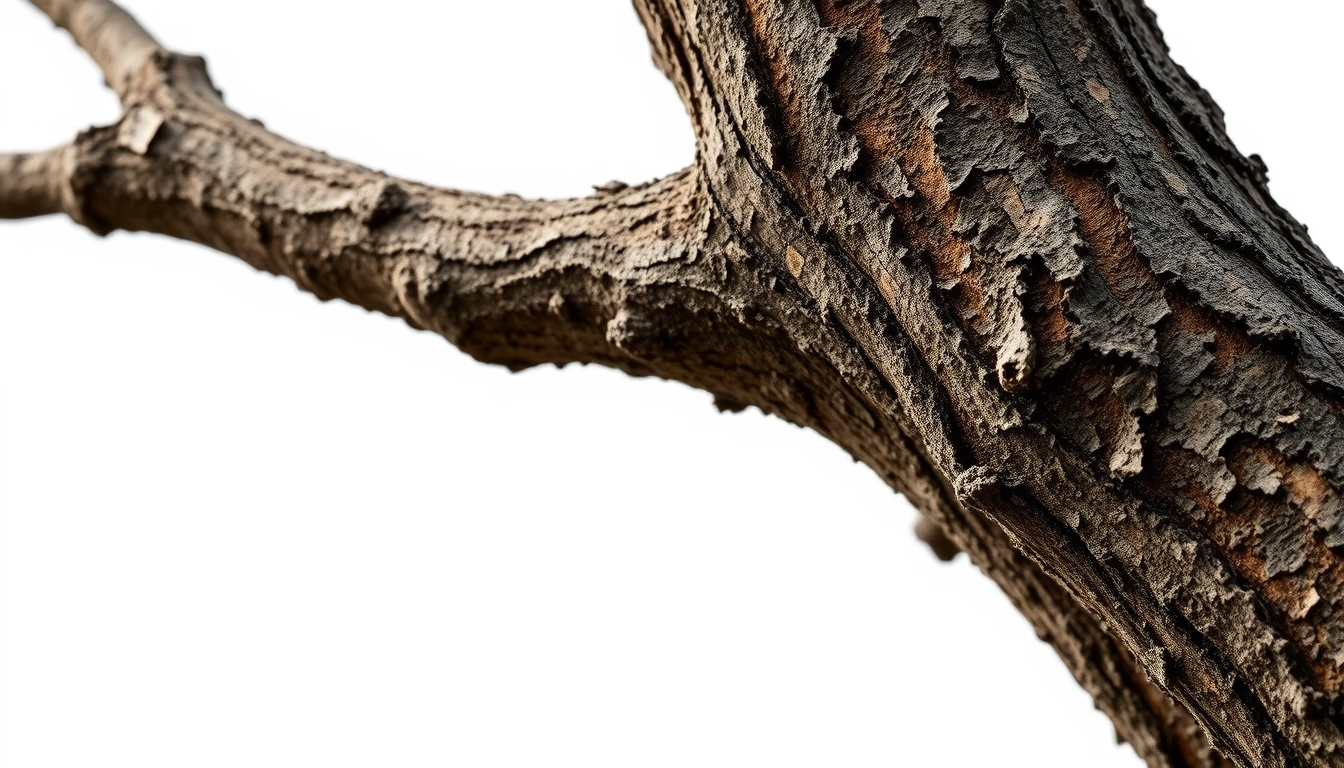
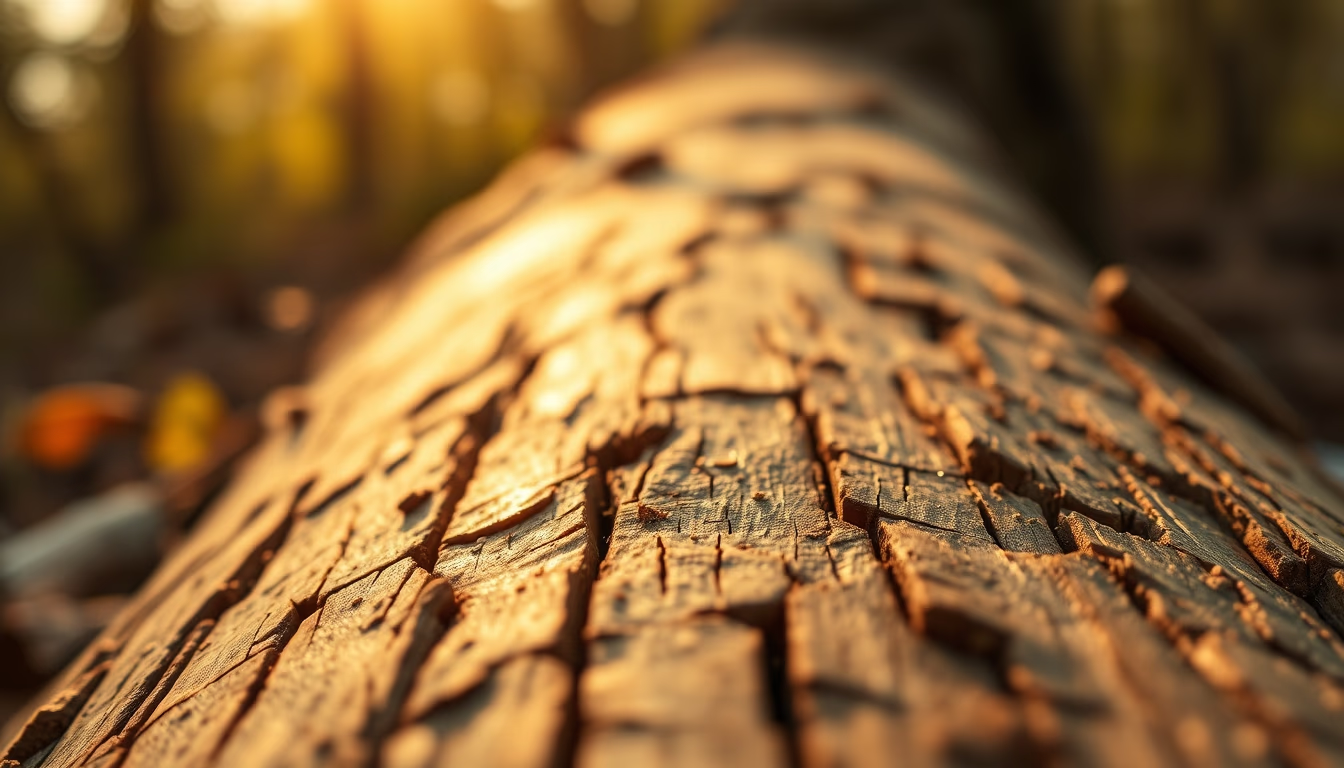
Macro tree bark texture: natural patterns, commercial uses and botanical curiosities.
About this subject
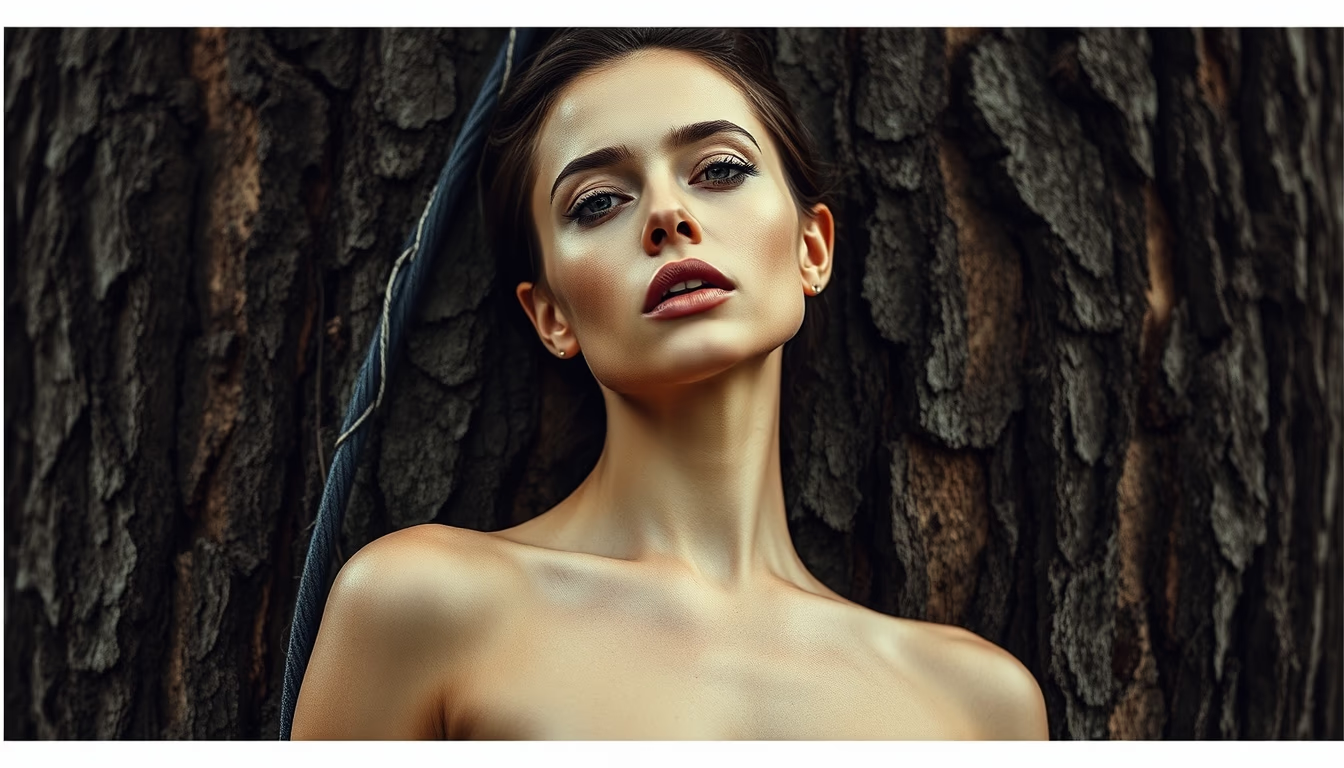
Tree bark is the outer layer of trunks, branches and roots, composed of dead tissue (rhytidome) that protects the plant against pests, pathogens and extreme weather conditions. In macro photography, it reveals an impressive diversity of textures, from deep furrows of oaks and pines to scaly patterns of eucalypts and sycamores. Each species has a unique architecture: the maritima pine (Pinus pinaster) exhibits thick, fissured plates, while the silver birch (Betula pendula) shows smooth, papery bark with a silvery white color. These features are determined by cambium activity and the deposition of suberin, a waterproofing substance. In design and commercial photography, bark textures are widely used as organic backgrounds for natural products, cosmetics, or packaging. High-resolution macro images capture details such as lichens, mosses and fungi growing on the bark, enriching the composition. Beyond aesthetics, bark study is essential for dendrochronology (dating by growth rings) and for species identification in forestry. In Brazil, bark of native trees like the embaúba (Cecropia) and the jequitibá-rosa (Cariniana legalis) feature striking patterns, and the texture is often replicated in synthetic coatings. Macro texture photography is also used in sustainability campaigns to highlight the beauty of renewable materials.
Frequently Asked Questions
What is the difference between thick and thin tree bark?
Thick bark, common in pines and cork oaks, protects against wildfires. Thin bark, like that of birches, facilitates gas exchange and is typical in humid climates.
How does bark texture influence the ecosystem?
Crevices and furrows provide shelter for insects and fungi. Rough-barked trees host more biodiversity than smooth-barked ones because they retain moisture and organic debris.
Is bark texture used for species identification?
Yes, along with leaves and fruits. Patterns of fissures, scales and colors help identify species, especially in tropical forests where flowering is sporadic.
Direct URL
https://pub-c7d6a6ea828543ac903a74a341ccb2e1.r2.dev/imagens/tree-bark-texture-commercial-product-photography-p3.avifHow to credit
Include a visible link back to UtilizAí. Copy one of the snippets below:
<a href="https://xn--utiliza-eza.com/en/midia/imagens/tree-bark-texture-commercial-product-photography-p3">Tree bark texture</a> by <a href="https://xn--utiliza-eza.com">UtilizAí</a>, licensed under <a href="https://creativecommons.org/licenses/by/4.0/">CC BY 4.0</a>.
[Tree bark texture](https://xn--utiliza-eza.com/en/midia/imagens/tree-bark-texture-commercial-product-photography-p3) by [UtilizAí](https://xn--utiliza-eza.com), CC BY 4.0
License: CC-BY-4.0