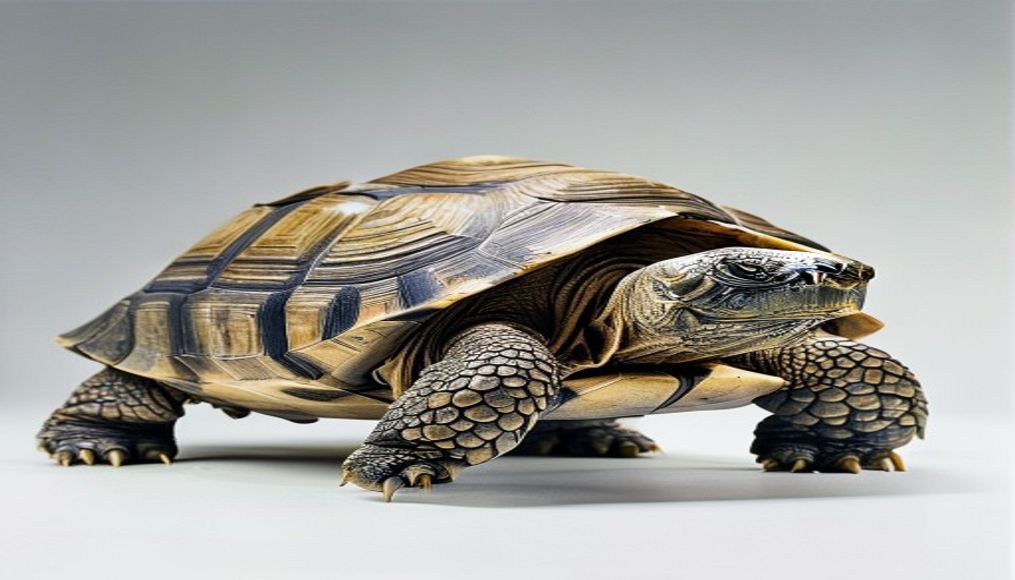
Tortoise galapagos giant
1344×768 · AVIF · CC BY 4.0
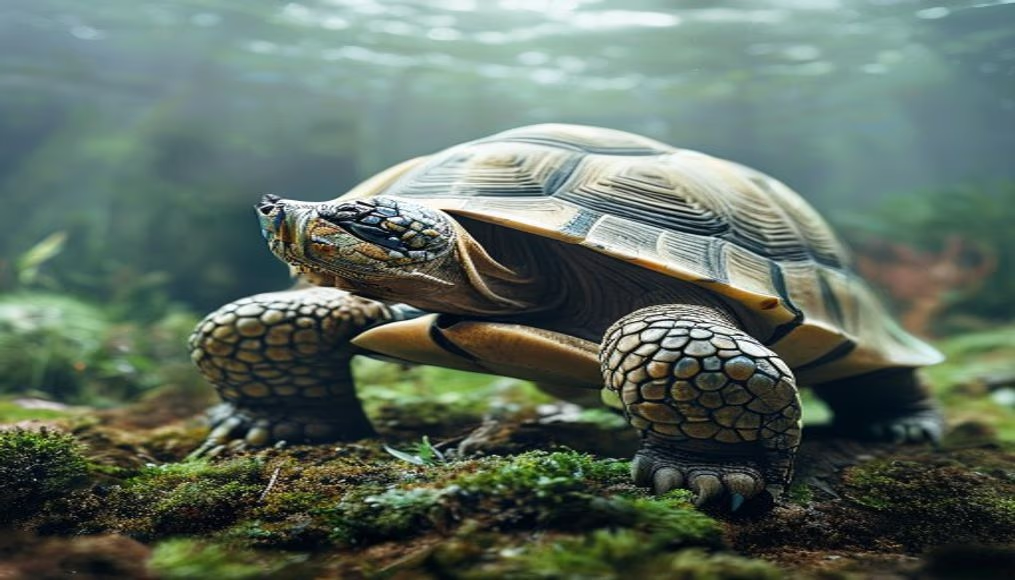
The giant Galapagos tortoise is one of the world's largest chelonians, weighing up to 417 kg and living over 100 years.
About this subject
The giant Galapagos tortoises (Chelonoidis niger) are endemic to the Galapagos archipelago, Ecuador. There are currently 15 recognized species, distributed across different islands, each with unique adaptations to their environment. Saddle-backed tortoises are found on arid, low islands, while domed tortoises inhabit humid, high islands. These animals can exceed 1.5 meters in length and weigh over 400 kg, making them the largest living terrestrial reptiles.
Before human arrival, an estimated 250,000 giant tortoises lived in Galapagos. In the 19th century, hunting by whalers and pirates drastically reduced the population to fewer than 3,000. Today, thanks to conservation efforts, the total population exceeds 20,000. Giant tortoises are famous for their longevity: a tortoise named Harriet reportedly lived about 175 years. They have a slow metabolism and can survive months without food or water.
These animals play a critical ecological role as seed dispersers and ecosystem engineers. By feeding on low vegetation, they create clearings that allow other plants to grow. Their slowness and size inspire curiosity and admiration. Charles Darwin studied the differences between island populations, which contributed to the development of the theory of evolution by natural selection.
Frequently Asked Questions
What is the biggest threat to Galapagos giant tortoises today?
Main threats include invasive species such as rats, goats, and ants, which compete for resources or prey on eggs and hatchlings. Uncontrolled tourism and pollution also pose risks.
How long do Galapagos giant tortoises live?
They can live over 100 years, with records of up to 175 years in captivity. Their longevity is linked to a slow metabolism and lack of natural predators.
How did giant tortoises contribute to Darwin's theory of evolution?
Darwin noticed that shell shape varied by island, adapted to local vegetation. This helped him formulate the idea that species change over time in response to their environment.
Direct URL
https://pub-c7d6a6ea828543ac903a74a341ccb2e1.r2.dev/imagens/tortoise-galapagos-giant-minimalist-composition-p0.avifHow to credit
Include a visible link back to UtilizAí. Copy one of the snippets below:
<a href="https://xn--utiliza-eza.com/en/midia/imagens/tortoise-galapagos-giant-minimalist-composition-p0">Tortoise galapagos giant</a> by <a href="https://xn--utiliza-eza.com">UtilizAí</a>, licensed under <a href="https://creativecommons.org/licenses/by/4.0/">CC BY 4.0</a>.
[Tortoise galapagos giant](https://xn--utiliza-eza.com/en/midia/imagens/tortoise-galapagos-giant-minimalist-composition-p0) by [UtilizAí](https://xn--utiliza-eza.com), CC BY 4.0
License: CC-BY-4.0