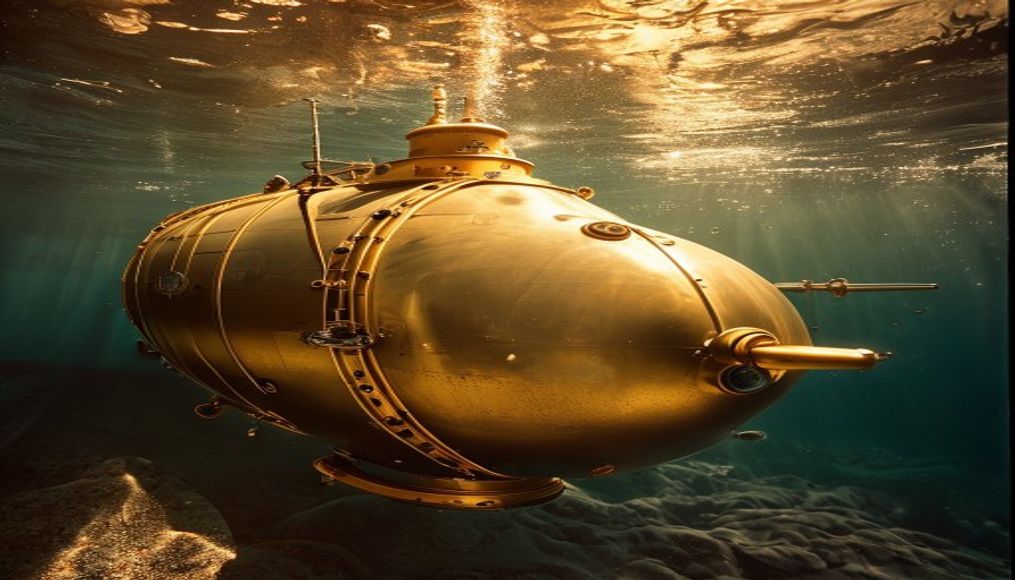
Submersible alvin research
1344×768 · AVIF · CC BY 4.0
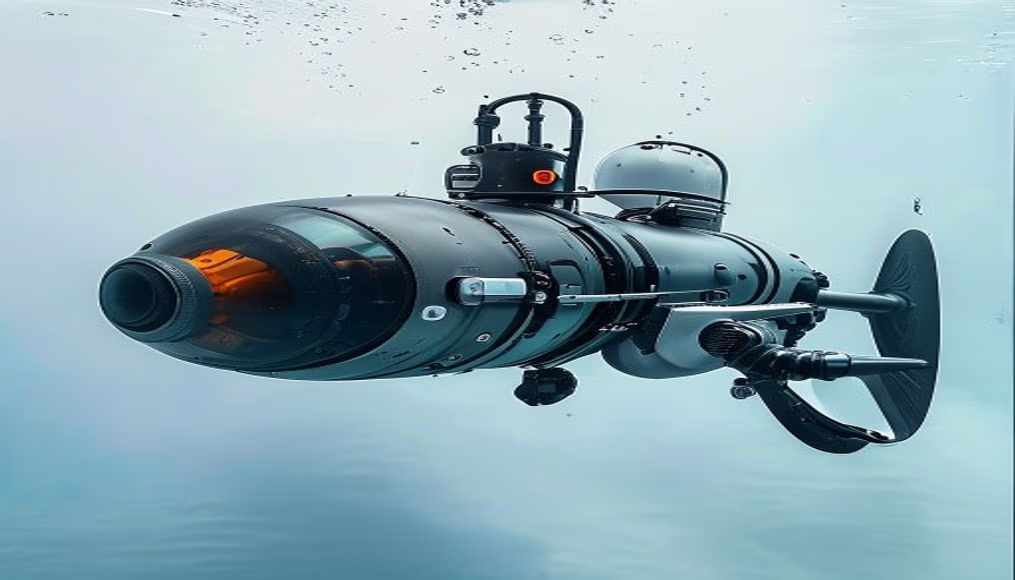
The Alvin submersible is one of the most iconic deep-sea research vehicles, operated by the Woods Hole Oceanographic Institution since 1964.
About this subject
The Alvin is a manned deep-submergence vehicle capable of reaching depths of up to 4,500 meters. Since its launch in 1964, it has completed over 5,000 dives, significantly advancing oceanography and marine biology. It was named after Allyn Vine, a physicist and engineer who advocated for the construction of submersible research vehicles.
One of Alvin's most famous missions was the exploration of the Titanic wreck in 1986, aboard the research vessel Atlantis II. Additionally, the submersible was crucial in the discovery of hydrothermal vents in the Galápagos in 1977, revealing unique ecosystems based on chemosynthesis. These discoveries transformed the understanding of life in extreme conditions.
Alvin has undergone several upgrades over the decades. In 2013, a major overhaul increased its operational depth from 4,500 to 6,500 meters, though this capability is still under testing. The vehicle is operated by a crew of three: a pilot and two scientists. Its titanium hull withstands immense pressures, and its robotic arms allow for sample collection and instrument deployment.
The historical and scientific importance of Alvin is indisputable. It paved the way for deep-ocean exploration, inspiring generations of researchers. Today, Alvin remains active, conducting routine missions and contributing to studies on climate change, biodiversity, and submarine geology.
Frequently Asked Questions
What is the maximum depth the Alvin can reach?
Currently, Alvin operates to 4,500 meters depth. A 2013 upgrade aimed to increase this limit to 6,500 meters, but this capability is still under testing.
How many people can fit inside Alvin?
The submersible has a capacity of three people: a pilot and two scientists or observers.
What important discoveries were made by Alvin?
Alvin discovered hydrothermal vents in the Galápagos in 1977 and explored the Titanic wreck in 1986. It also contributed to studies of underwater volcanoes and deep-sea ecosystems.
Direct URL
https://pub-c7d6a6ea828543ac903a74a341ccb2e1.r2.dev/imagens/submersible-alvin-research-commercial-product-photography-p2.avifHow to credit
Include a visible link back to UtilizAí. Copy one of the snippets below:
<a href="https://xn--utiliza-eza.com/en/midia/imagens/submersible-alvin-research-commercial-product-photography-p2">Submersible alvin research</a> by <a href="https://xn--utiliza-eza.com">UtilizAí</a>, licensed under <a href="https://creativecommons.org/licenses/by/4.0/">CC BY 4.0</a>.
[Submersible alvin research](https://xn--utiliza-eza.com/en/midia/imagens/submersible-alvin-research-commercial-product-photography-p2) by [UtilizAí](https://xn--utiliza-eza.com), CC BY 4.0
License: CC-BY-4.0