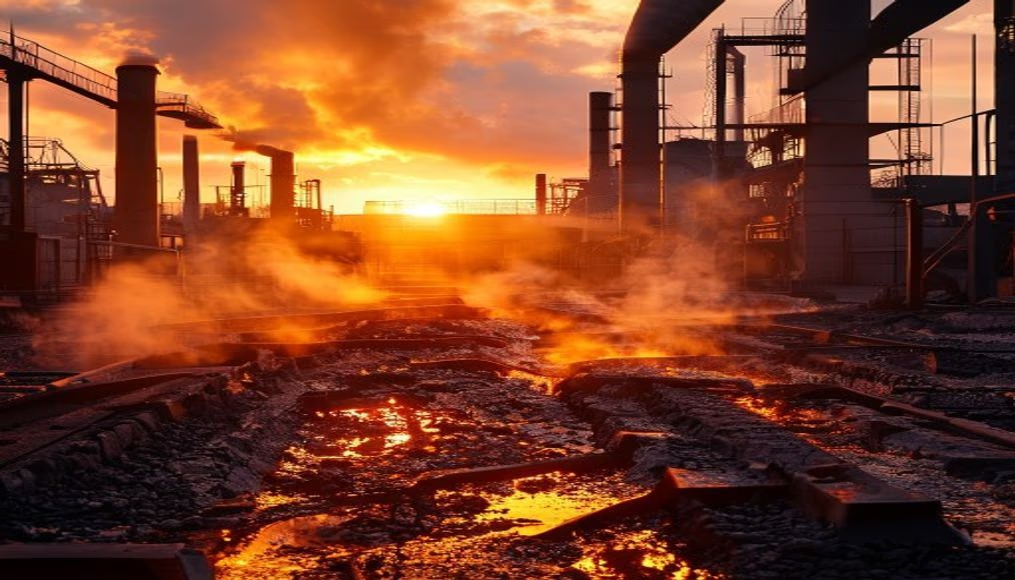
Steel mill molten metal
1344×768 · AVIF · CC BY 4.0
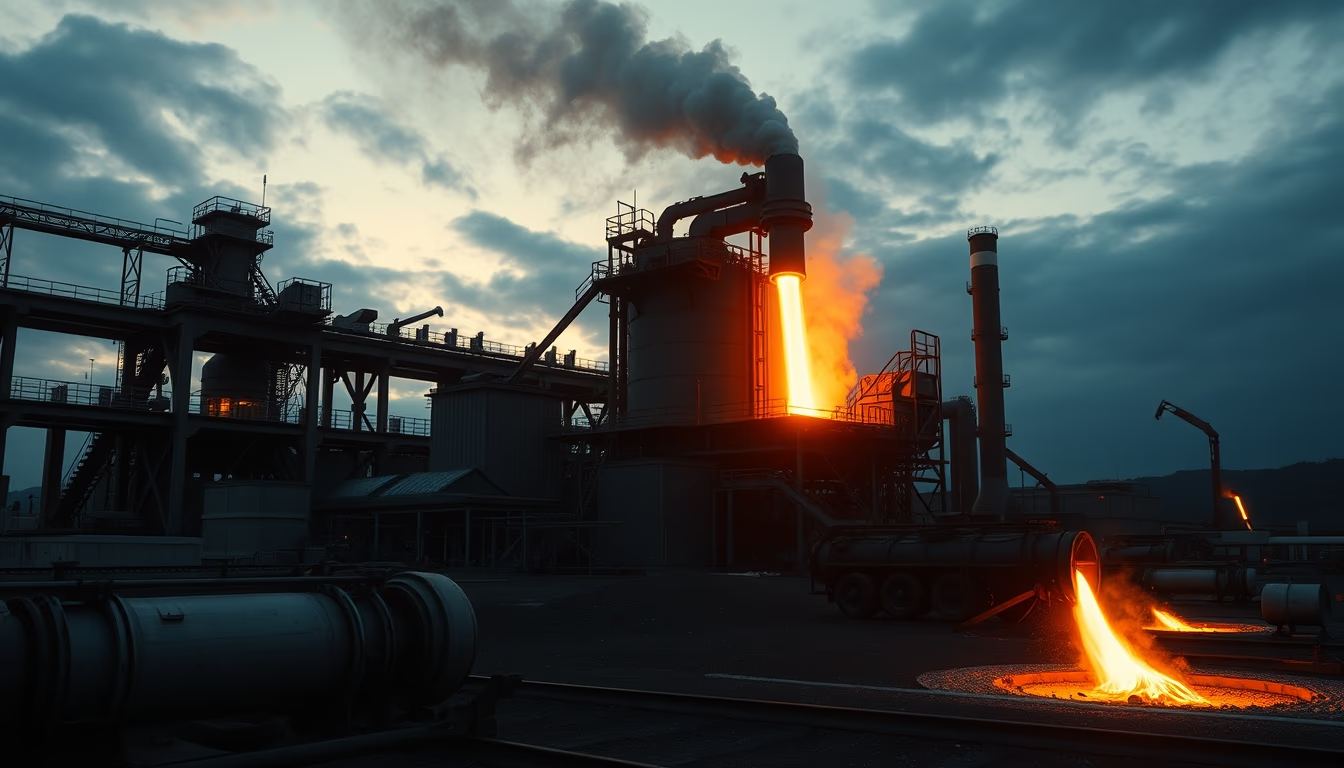
Steel mill in operation: molten metal is poured into ingot molds at a large-scale steelmaking plant.
About this subject
Large-scale steel production begins with heating iron ore, coal, and limestone in blast furnaces at temperatures exceeding 1,500°C. The resulting molten metal, known as pig iron, is then transferred to converters where the carbon content is reduced, transforming it into steel. In the stage depicted in the image, the glowing liquid steel is carefully poured into ingot molds, which shape the solid blocks that will later be rolled into sheets, rebar, or structural profiles.
Brazil is one of the world's largest steel producers, with the Southeast region hosting the main integrated steel mills. Although conventional ingot casting is still used, it is gradually being replaced by continuous casting, which is more efficient and reduces waste. However, ingot casting remains common for specialty steels or in older facilities.
The temperature of the molten metal at the time of pouring is approximately 1,600°C, requiring specialized personal protective equipment and strict safety protocols for workers. The intense brightness and radiant heat are characteristic features of this industrial environment, which operates 24 hours a day to meet demand from construction, automotive, and machinery sectors.
Steel produced in these facilities has applications ranging from rebar for reinforced concrete to sheets for vehicle bodies and appliances. The Brazilian steel industry accounts for about 2% of the country's industrial GDP, employing thousands directly in mills and throughout the supply chain.
Frequently Asked Questions
What is the temperature of liquid steel during pouring?
Molten steel reaches about 1,600°C when poured into ingot molds, requiring extreme safety precautions.
What is an ingot mold?
It is a metal mold into which liquid steel is poured to solidify into blocks called ingots, later processed in rolling mills.
Does Brazil still use conventional ingot casting?
Yes, although continuous casting is more modern, the conventional method is still used for specialty steels and in older mills.
Direct URL
https://pub-c7d6a6ea828543ac903a74a341ccb2e1.r2.dev/imagens/steel-mill-molten-metal-cinematic-wide-shot-v2.avifHow to credit
Include a visible link back to UtilizAí. Copy one of the snippets below:
<a href="https://xn--utiliza-eza.com/en/midia/imagens/steel-mill-molten-metal-cinematic-wide-shot-v2">Steel mill molten metal</a> by <a href="https://xn--utiliza-eza.com">UtilizAí</a>, licensed under <a href="https://creativecommons.org/licenses/by/4.0/">CC BY 4.0</a>.
[Steel mill molten metal](https://xn--utiliza-eza.com/en/midia/imagens/steel-mill-molten-metal-cinematic-wide-shot-v2) by [UtilizAí](https://xn--utiliza-eza.com), CC BY 4.0
License: CC-BY-4.0