Stained glass window light
1344×768 · AVIF · CC BY 4.0
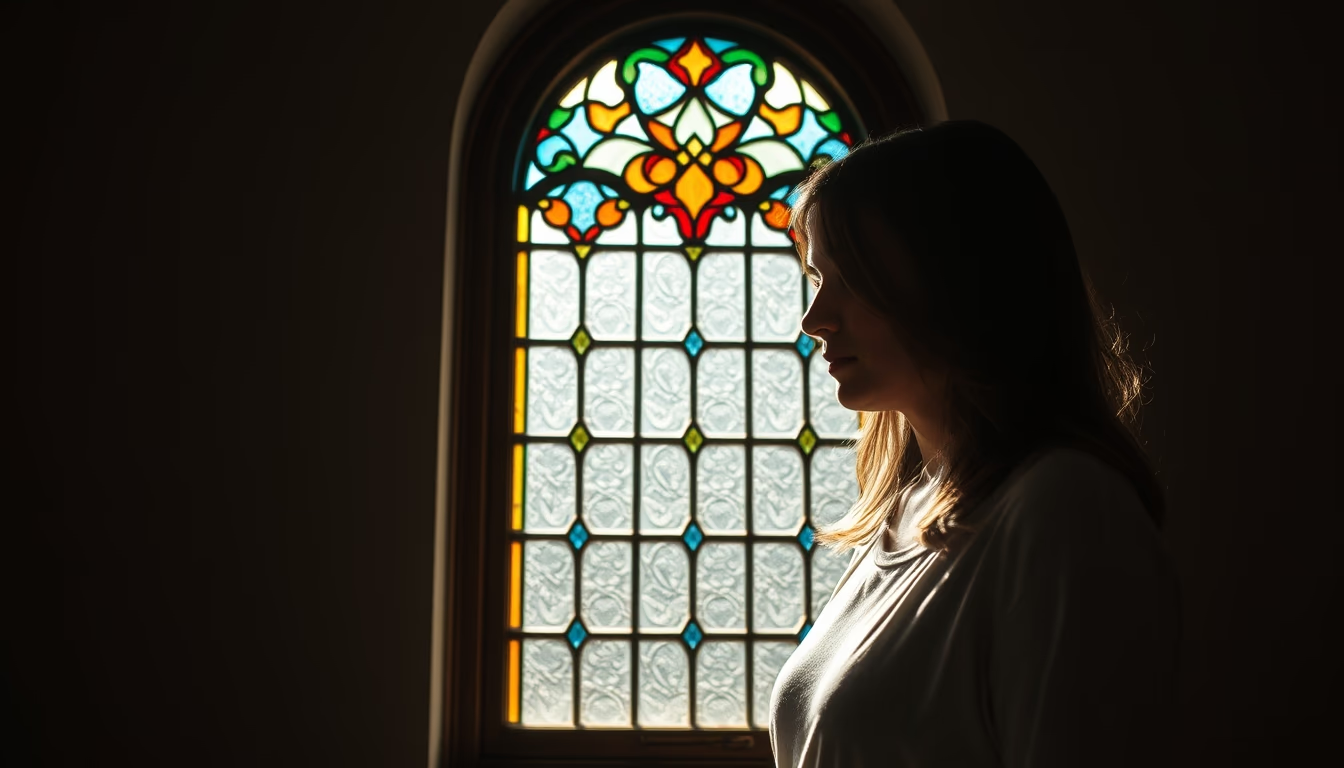
Stained glass windows transform natural light into a visual spectacle, found in Gothic cathedrals and contemporary artworks.
About this subject
Stained glass is an art form that uses pieces of colored glass assembled with lead to create images or patterns. Its history dates back to the Middle Ages, with highlights in Gothic cathedrals like Notre-Dame de Paris and Sainte-Chapelle, where light filtered through the glass created a celestial atmosphere. The manufacturing process involves adding metallic oxides to molten glass to achieve vibrant colors: cobalt for blue, manganese for purple, gold for red. Each piece is hand-cut and joined by lead strips, forming a durable panel.
Natural light is essential to appreciate stained glass, as it interacts with the colors and textures of the glass, changing throughout the day and seasons. In medieval churches, stained glass was not merely decorative but also didactic, telling biblical stories to a largely illiterate population. Famous examples include the Rose Window of Chartres in France and the stained glass of York Minster in England, dating from the 12th century.
In contemporary times, artists like Marc Chagall and Joan Miró created stained glass for religious and civic spaces. The technique is also used in homes and public buildings, enhancing natural light. Preserving these works is challenging due to glass fragility and exposure to pollutants, requiring careful restoration. Tourism around stained glass drives visits to cities like Chartres and Toledo, where art and light meet in harmony.
Frequently Asked Questions
How is stained glass made?
Stained glass is made by cutting colored glass pieces and joining them with lead strips. Colors are achieved by adding metallic oxides during glass melting. The panel is then set in an iron frame.
Why do churches use stained glass?
Churches use stained glass for aesthetic and symbolic reasons. Colored light entering represents divine presence, and images tell religious stories to educate the faithful, especially before widespread literacy.
What is the largest stained glass window in the world?
The largest stained glass window in the world is in the Sagrada Família Church in Barcelona, designed by Antoni Gaudí and Joan Vila-Grau, covering about 600 square meters.
Direct URL
https://pub-c7d6a6ea828543ac903a74a341ccb2e1.r2.dev/imagens/stained-glass-window-light-documentary-photography-p3.avifHow to credit
Include a visible link back to UtilizAí. Copy one of the snippets below:
<a href="https://xn--utiliza-eza.com/en/midia/imagens/stained-glass-window-light-documentary-photography-p3">Stained glass window light</a> by <a href="https://xn--utiliza-eza.com">UtilizAí</a>, licensed under <a href="https://creativecommons.org/licenses/by/4.0/">CC BY 4.0</a>.
[Stained glass window light](https://xn--utiliza-eza.com/en/midia/imagens/stained-glass-window-light-documentary-photography-p3) by [UtilizAí](https://xn--utiliza-eza.com), CC BY 4.0
License: CC-BY-4.0