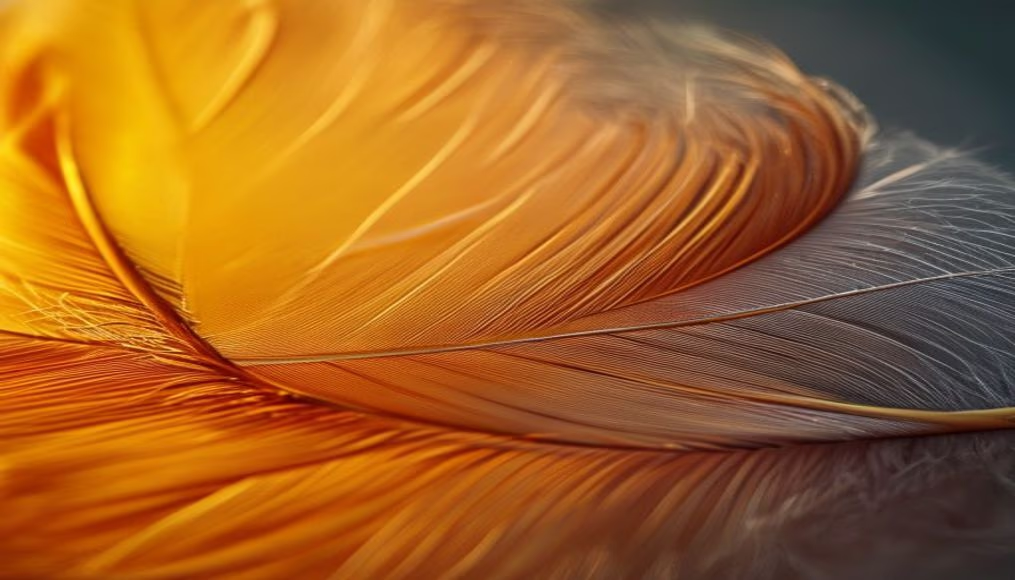
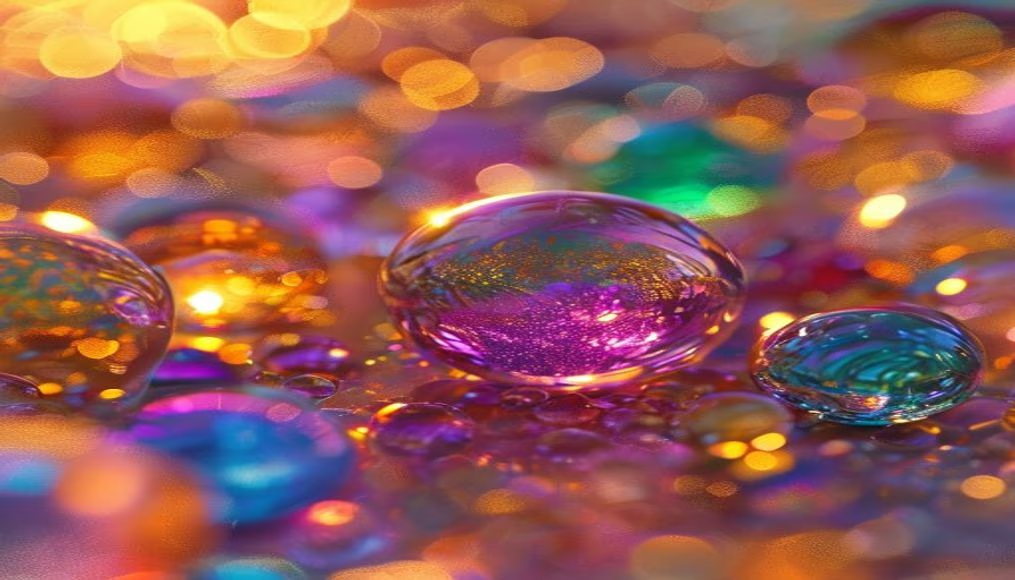
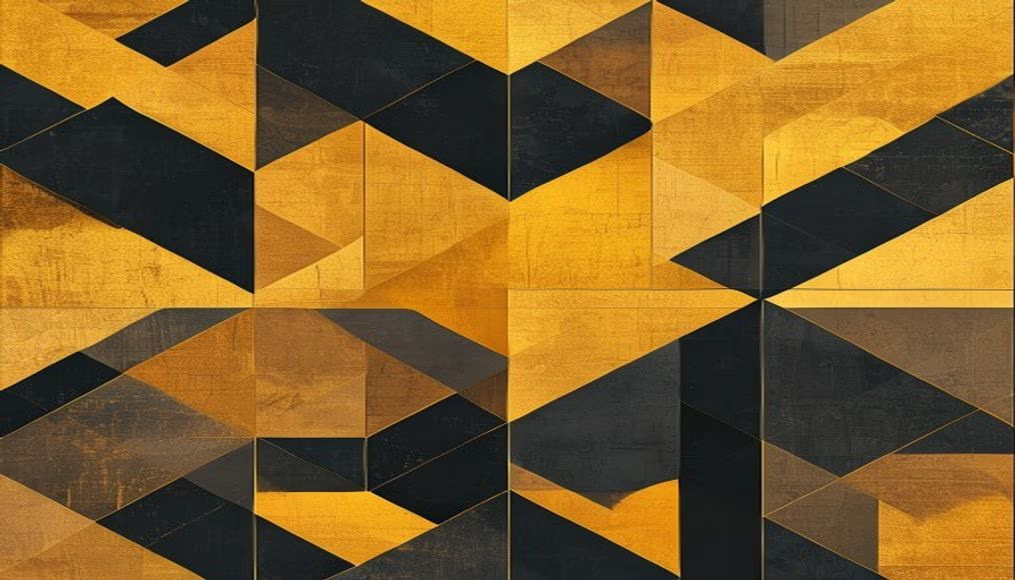
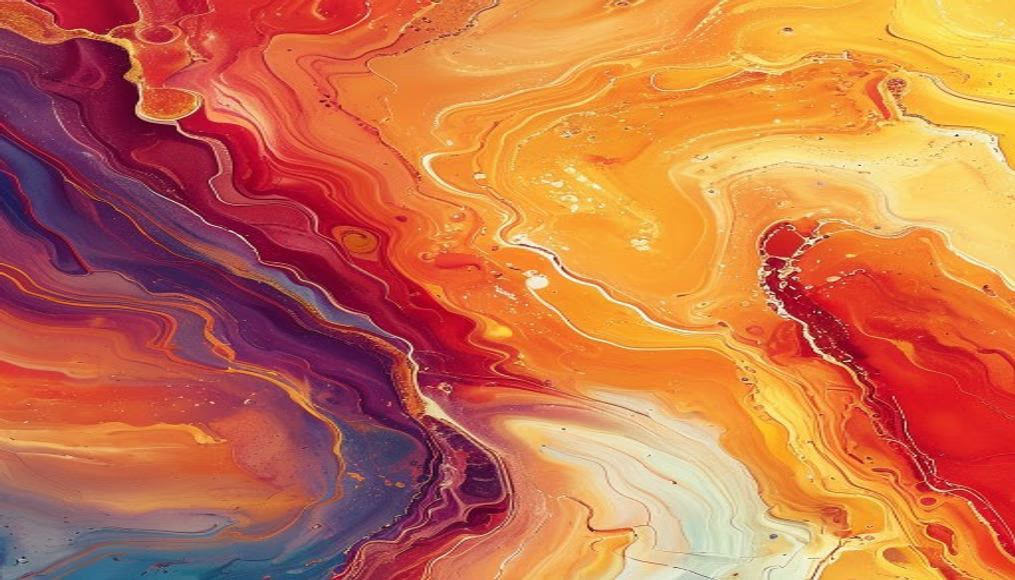
Stained glass window light
1344×768 · AVIF · CC BY 4.0
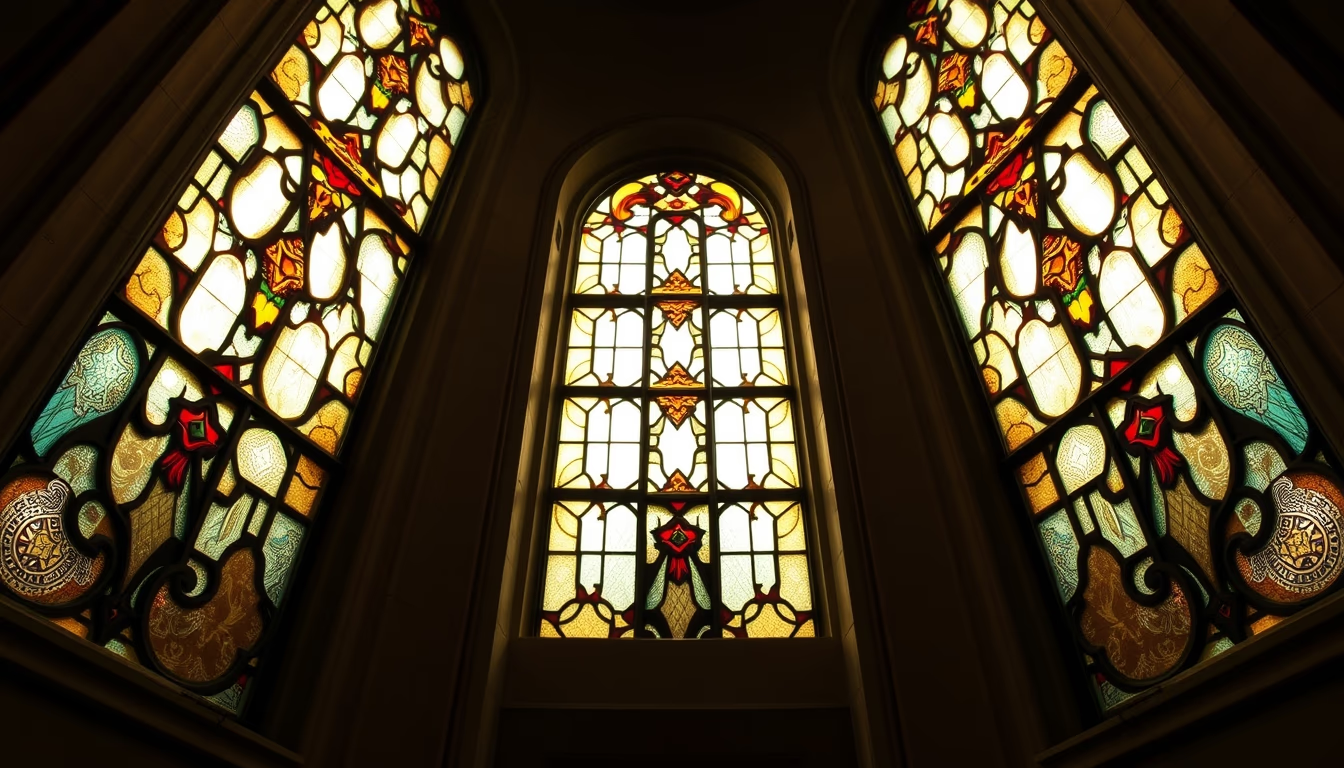
Stained glass windows turn natural light into displays of color and storytelling, merging art, faith, and architecture for centuries.
About this subject
Stained glass is an art form that assembles pieces of colored glass joined by lead strips to create decorative panels, typically found in windows of churches, cathedrals, and historic buildings. Its origins date back to the Middle Ages, with notable examples in Europe such as the cathedrals of Chartres (France) and Notre-Dame de Paris. The technique involves adding metal oxides during glass manufacturing to achieve vibrant colors: cobalt produces deep blues, manganese yields purples, and gold creates red tones. Light passing through these glasses not only illuminates interiors but also narrates biblical stories or depicts saints, serving as a “Bible of the poor” for the illiterate medieval population. In Brazil, important examples include the stained glass windows of Catedral da Sé (São Paulo) and Mosteiro de São Bento (Rio de Janeiro), blending neo-Gothic and modern styles. Beyond religious settings, stained glass appears in subway stations, such as Sé in São Paulo, and in Art Nouveau residential buildings. Conservation requires special care, as lead can oxidize and glass may degrade due to pollution. Modern techniques like resin use and laminated glass have expanded artistic possibilities, keeping the tradition alive. Photographing stained glass aims to capture the interplay between external light and internal colors, a technical challenge that values translucency and contrasts. Contemporary stained glass artist Marianne Kempinski, for instance, creates abstract works that dialogue with natural light in secular spaces, showing that this ancient art continues to evolve.
Frequently Asked Questions
What is the difference between stained glass and glass mosaic?
Stained glass uses colored glass pieces held together by lead strips to form an image, while glass mosaic applies small fragments onto a surface, usually with mortar, without necessarily using transmitted light.
How are stained glass windows made?
First, a full-scale design is drawn. Colored glass is cut according to the contours. Pieces are assembled on a pattern, joined by H-shaped lead strips, and soldered at the joints. Finally, putty is applied for waterproofing.
What are the most famous stained glass windows in the world?
Among the most iconic are the Rose Window of Chartres (13th century), the windows of Notre-Dame Cathedral, the stained glass of Sainte-Chapelle in Paris, and Marc Chagall's panels at Reims Cathedral.
Direct URL
https://pub-c7d6a6ea828543ac903a74a341ccb2e1.r2.dev/imagens/stained-glass-window-light-architectural-photography-p0.avifHow to credit
Include a visible link back to UtilizAí. Copy one of the snippets below:
<a href="https://xn--utiliza-eza.com/en/midia/imagens/stained-glass-window-light-architectural-photography-p0">Stained glass window light</a> by <a href="https://xn--utiliza-eza.com">UtilizAí</a>, licensed under <a href="https://creativecommons.org/licenses/by/4.0/">CC BY 4.0</a>.
[Stained glass window light](https://xn--utiliza-eza.com/en/midia/imagens/stained-glass-window-light-architectural-photography-p0) by [UtilizAí](https://xn--utiliza-eza.com), CC BY 4.0
License: CC-BY-4.0