Shoji screen wooden
1344×768 · AVIF · CC BY 4.0
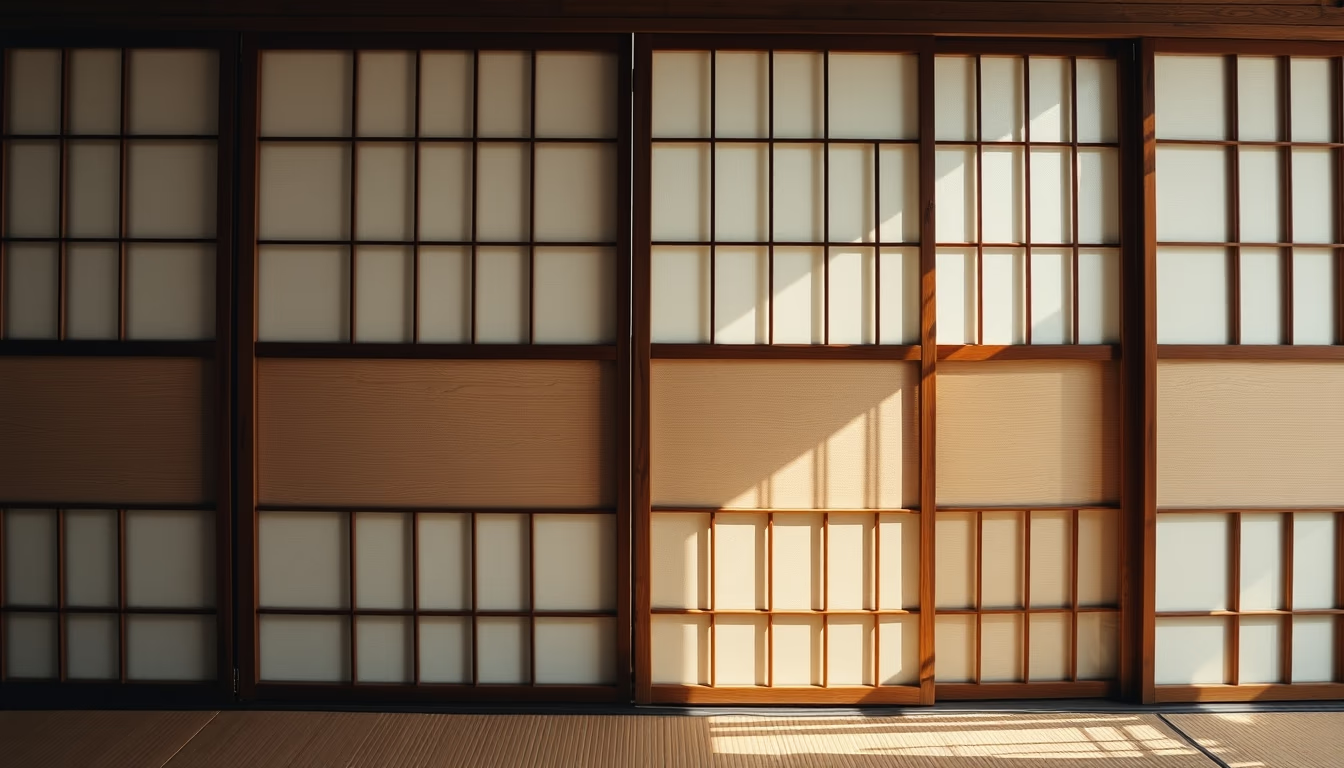
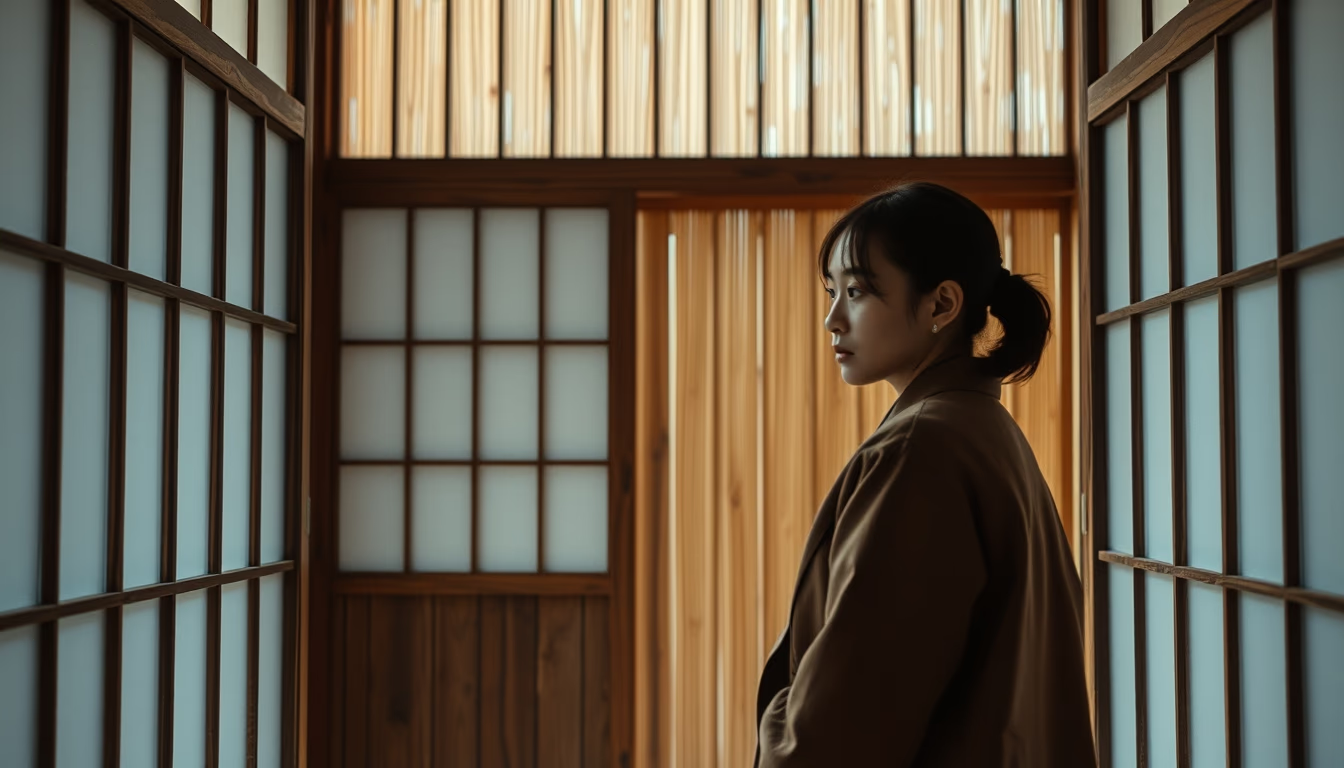
Wooden shoji screen, a traditional Japanese element combining functionality and minimalist aesthetics in interior architecture.
About this subject
The shoji screen is one of the most recognizable icons of traditional Japanese architecture. Made of a lightweight wooden frame (usually cedar or cypress) and translucent washi paper panels, it serves as a sliding partition or decorative panel. Its origins date back to the Heian period (794-1185), when it began to be used in noble residences to separate spaces without completely blocking natural light. The construction technique involves precise joinery without nails, exemplifying fine Japanese craftsmanship.
In the context of minimalism, the shoji represents the wabi-sabi philosophy, which values simplicity, imperfection, and the beauty of natural materials. Light filtered through the paper creates a soft, meditative atmosphere, fostering a connection with nature. In Brazil, although not native, the shoji has gained popularity in zen decor projects and wellness spaces, influencing designers who seek to integrate Eastern elements into homes and offices.
Interestingly, the paper used in traditional panels is made from mulberry fibers (kōzo), giving it strength and a unique texture. Over time, the paper may yellow or tear and is periodically replaced, reflecting the impermanence celebrated by Zen Buddhism. Modern versions with glass or acrylic exist, but the wood-and-paper version remains the most authentic and sought-after for aesthetic and spiritual purposes.
Frequently Asked Questions
What is the main function of a shoji screen?
A shoji serves as a room divider, sliding door, or decorative panel, allowing diffused light to pass while maintaining privacy.
What distinguishes a traditional shoji from modern versions?
Traditional shoji uses a wooden frame and washi paper made from mulberry fibers, while modern versions may use glass or acrylic, altering the aesthetic and sense of lightness.
Is the shoji used only in Japan?
No, the shoji has spread globally, especially in minimalist and zen decor projects. In Brazil, it is common in spas, clinics, and homes seeking an oriental style.
Direct URL
https://pub-c7d6a6ea828543ac903a74a341ccb2e1.r2.dev/imagens/shoji-screen-wooden-minimalist-composition-fresh13.avifHow to credit
Include a visible link back to UtilizAí. Copy one of the snippets below:
<a href="https://xn--utiliza-eza.com/en/midia/imagens/shoji-screen-wooden-minimalist-composition-fresh13">Shoji screen wooden</a> by <a href="https://xn--utiliza-eza.com">UtilizAí</a>, licensed under <a href="https://creativecommons.org/licenses/by/4.0/">CC BY 4.0</a>.
[Shoji screen wooden](https://xn--utiliza-eza.com/en/midia/imagens/shoji-screen-wooden-minimalist-composition-fresh13) by [UtilizAí](https://xn--utiliza-eza.com), CC BY 4.0
License: CC-BY-4.0