Shoji screen wooden
1344×768 · AVIF · CC BY 4.0
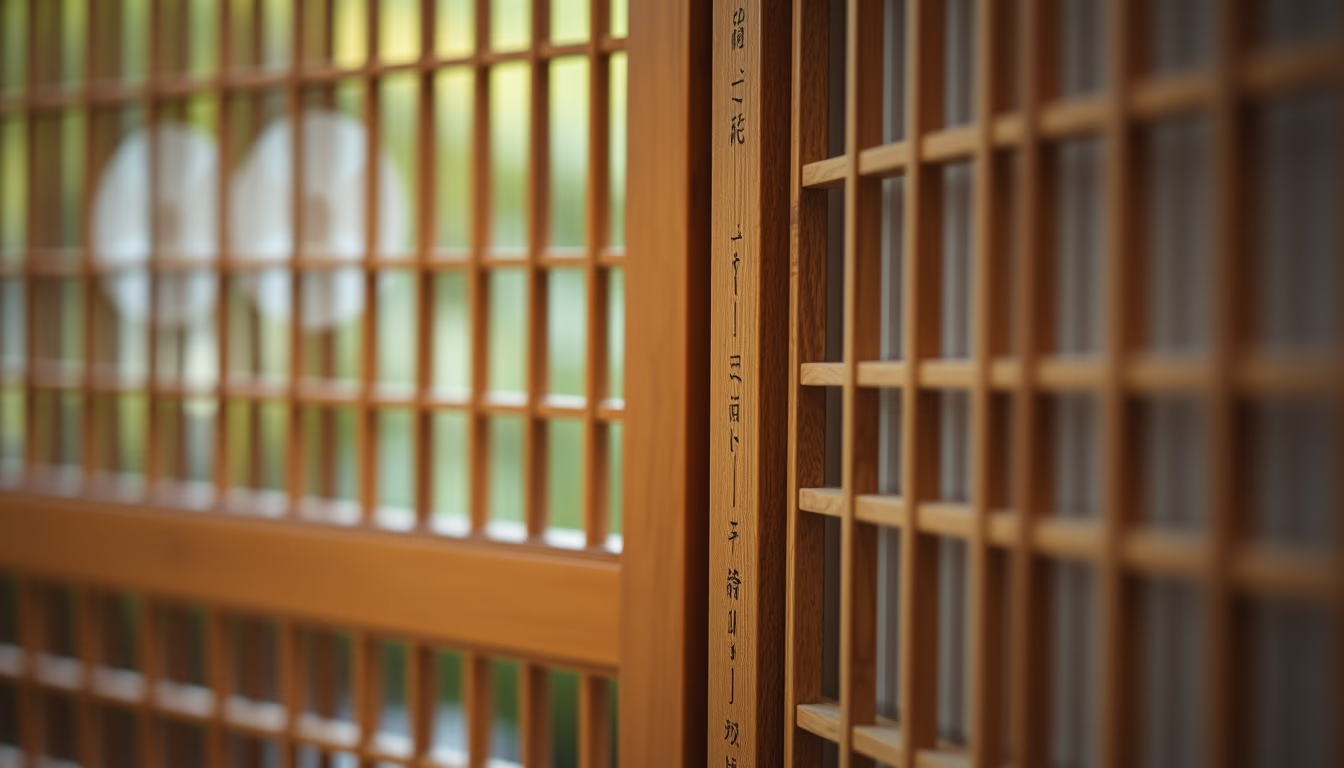
Close-up detail of a wooden shoji screen, with thin slats and washi paper, a key element of traditional Japanese architecture.
About this subject
Shoji screens are sliding partitions typical of Japanese architecture, made from a wooden frame and translucent washi paper. Unlike fusuma, which are opaque and decorated, shoji allow soft light to pass through, creating serene and muted interiors. The wooden lattice structure, often arranged in geometric patterns called kumiko, is assembled without nails using precise joinery. These screens are movable, enabling flexible room configurations. In Zen aesthetics, shoji embody simplicity, impermanence, and a connection to nature, as light and shadows shift throughout the day. Historically, they appeared during the Heian period (794-1185) and evolved with refined woodworking techniques. In temples and tea houses, shoji help define meditation and ceremony spaces, fostering a contemplative atmosphere. The wood used is typically Japanese cedar or cypress (hinoki), resistant to humidity. Washi paper, handmade from mulberry fibers, is renewable and diffuses light evenly. Details such as slat thickness and spacing vary by region and purpose. For admirers of minimalist design, shoji represent a harmony of function and beauty, making them an icon of Japanese culture.
Frequently Asked Questions
What is a shoji screen?
It is a Japanese sliding partition made of wood and washi paper, used to divide spaces and filter light, common in homes, temples, and tea houses.
What is the difference between shoji and fusuma?
Shoji have translucent washi paper and allow light through; fusuma are opaque, often decorated with paintings or fabric, and provide privacy.
How are shoji screens made?
The wooden frame is assembled with joinery without nails, forming a lattice (kumiko) onto which washi paper is glued. The most common wood is hinoki (Japanese cypress).
Direct URL
https://pub-c7d6a6ea828543ac903a74a341ccb2e1.r2.dev/imagens/shoji-screen-wooden-macro-closeup-fresh12.avifHow to credit
Include a visible link back to UtilizAí. Copy one of the snippets below:
<a href="https://xn--utiliza-eza.com/en/midia/imagens/shoji-screen-wooden-macro-closeup-fresh12">Shoji screen wooden</a> by <a href="https://xn--utiliza-eza.com">UtilizAí</a>, licensed under <a href="https://creativecommons.org/licenses/by/4.0/">CC BY 4.0</a>.
[Shoji screen wooden](https://xn--utiliza-eza.com/en/midia/imagens/shoji-screen-wooden-macro-closeup-fresh12) by [UtilizAí](https://xn--utiliza-eza.com), CC BY 4.0
License: CC-BY-4.0