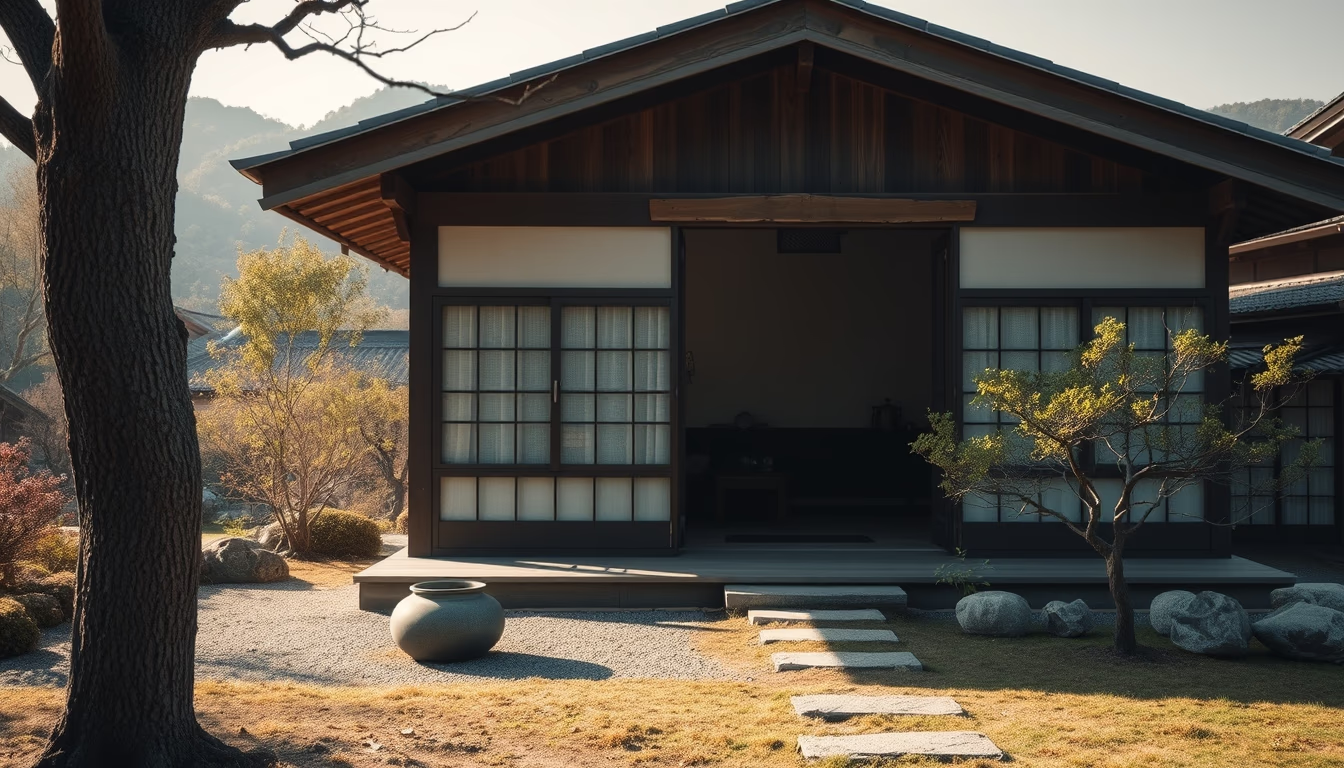
Shoji screen wooden
1344×768 · AVIF · CC BY 4.0

Wooden shoji screens are traditional Japanese architectural elements, blending functionality with zen aesthetics.
About this subject
Shoji are sliding doors or panels made of a wooden lattice and translucent washi paper, used for centuries in Japanese architecture. Their origins date back to the Heian period (794, 1185), when they began replacing fixed screens and curtains. The influence of Zen Buddhism solidified their use in temples, tea houses, and homes, emphasizing simplicity and a connection to nature.
Traditional shoji construction uses Japanese cypress (hinoki) or cedar wood, with precise joinery that avoids nails or glue. The internal lattice, called kumiko, forms geometric patterns that not only reinforce the structure but also carry symbolic meanings such as harmony and balance. The washi paper, made from mulberry fibers, softly diffuses light, creating a calm, filtered atmosphere.
Culturally, shoji are essential to the wabi-sabi aesthetic, which appreciates imperfection and transience. They divide spaces without fully enclosing them, maintaining fluidity. In temples like Kinkaku-ji in Kyoto, shoji help create meditation areas. Today, they are adopted in modern Western interiors as decorative elements evoking serenity and minimalism.
Interestingly, the term "shoji" is often confused with fusuma, but the latter are opaque panels covered in fabric or thick paper, used for greater privacy. Shoji, due to their translucence, are ideal for filtering light and shadow, traditionally installed on the outer side of homes near gardens.
Frequently Asked Questions
What is a shoji screen?
It is a Japanese sliding door or room divider made of a wooden frame with a fine lattice (kumiko) covered with translucent washi paper, used to filter light and define spaces.
What is the difference between shoji and fusuma?
Shoji uses translucent paper and lets light through, often used on outer sides or for soft lighting. Fusuma is opaque, covered in fabric or thick paper, providing full privacy in interior rooms.
How are traditional shoji made?
The wooden frame (usually hinoki or cedar) is assembled with joinery without nails. The kumiko lattice is hand-cut and fitted, and the washi paper is glued using rice paste. The process requires meticulous craftsmanship.
Direct URL
https://pub-c7d6a6ea828543ac903a74a341ccb2e1.r2.dev/imagens/shoji-screen-wooden-long-exposure-fresh3.avifHow to credit
Include a visible link back to UtilizAí. Copy one of the snippets below:
<a href="https://xn--utiliza-eza.com/en/midia/imagens/shoji-screen-wooden-long-exposure-fresh3">Shoji screen wooden</a> by <a href="https://xn--utiliza-eza.com">UtilizAí</a>, licensed under <a href="https://creativecommons.org/licenses/by/4.0/">CC BY 4.0</a>.
[Shoji screen wooden](https://xn--utiliza-eza.com/en/midia/imagens/shoji-screen-wooden-long-exposure-fresh3) by [UtilizAí](https://xn--utiliza-eza.com), CC BY 4.0
License: CC-BY-4.0