Shoji screen wooden
1344×768 · AVIF · CC BY 4.0
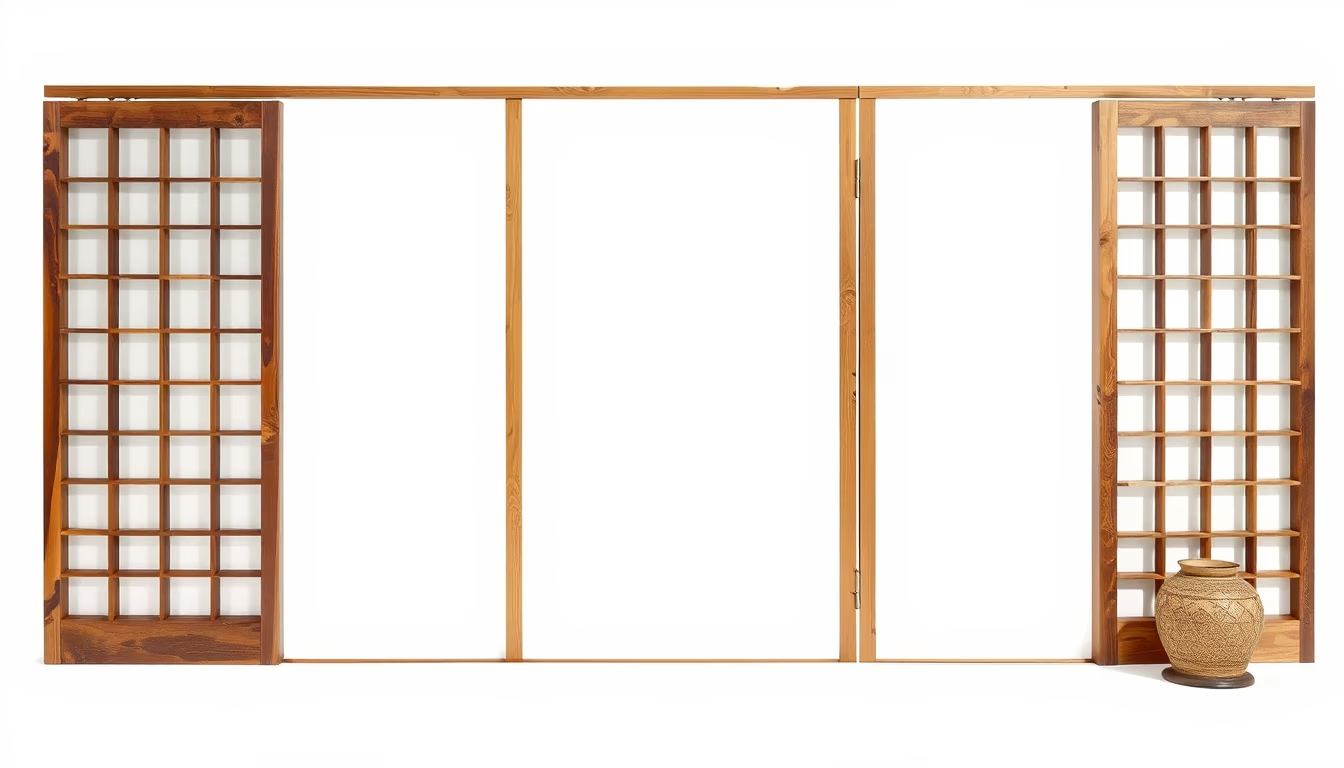
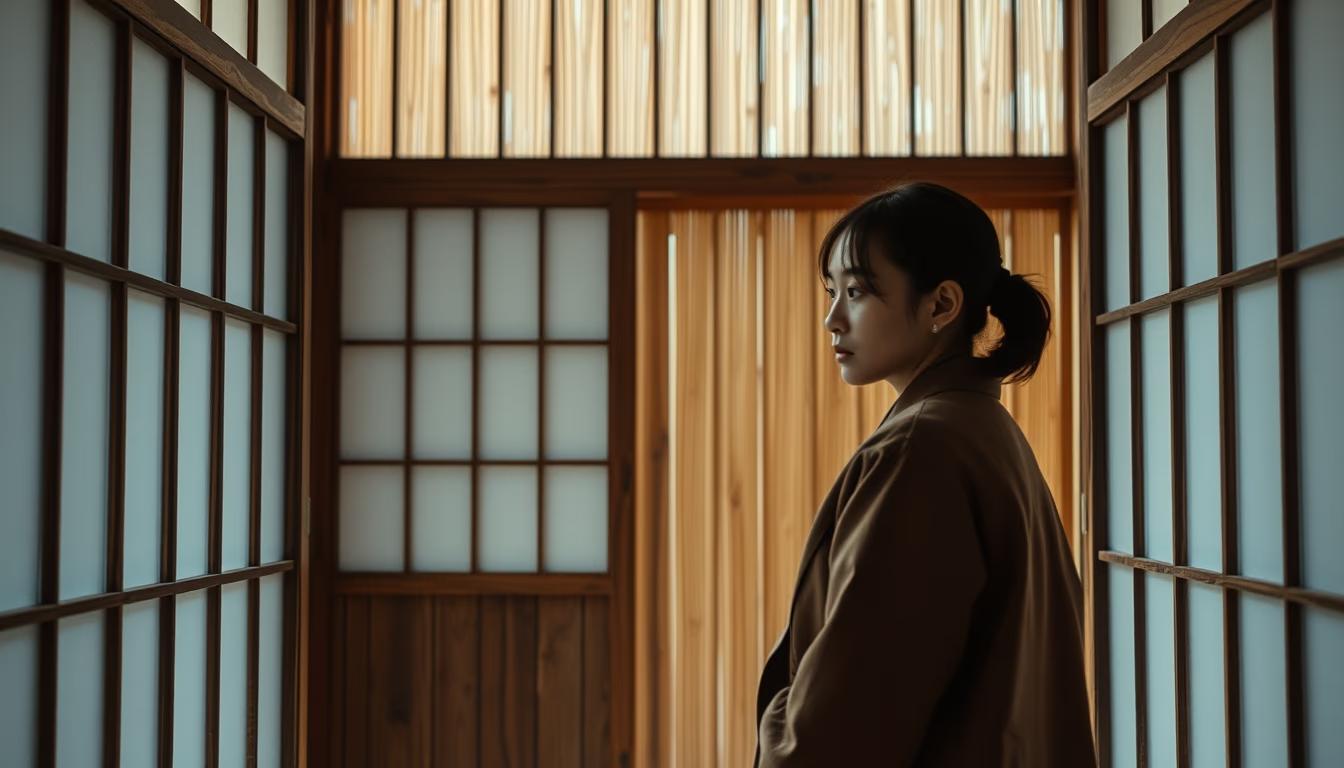
Wooden shoji screen, a traditional Japanese room divider that blends functionality with zen aesthetics in contemporary spaces.
About this subject
The shoji screen is a classic element of Japanese architecture, made of a light wooden frame covered with translucent washi paper. Its origins date back to the Heian period (794-1185), when it was first used in palaces and temples to flexibly divide spaces. The wood is typically cedar or hinoki, known for durability and a subtle scent. The washi paper, handmade from mulberry fibers, allows diffused light to pass through, creating a soft, meditative atmosphere.
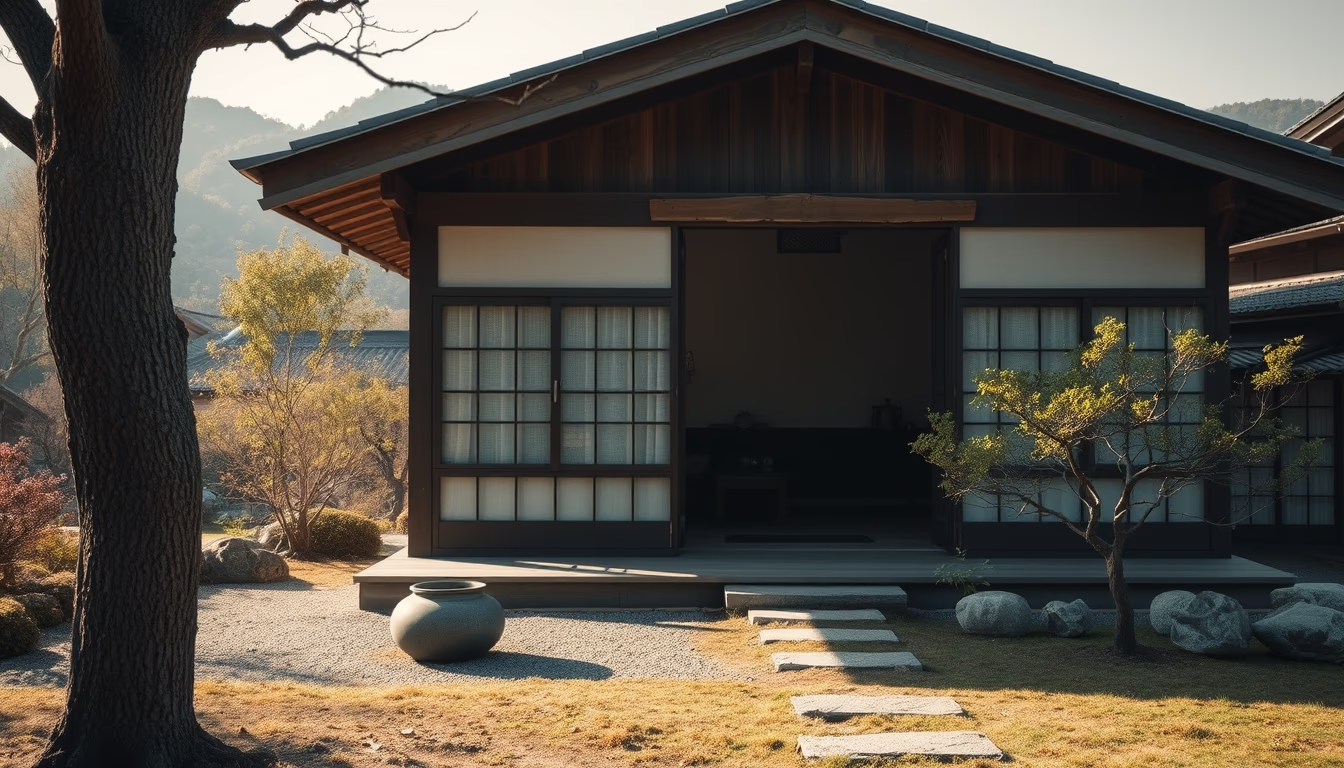
In Zen culture, the shoji screen represents transparency and impermanence. It does not completely block vision or light but filters it, inviting contemplation. Many Zen temples, such as Ryoanji Temple in Kyoto, use shoji to connect interiors with the garden, integrating nature and architecture. With the rise of Japanese minimalism in the West, shoji screens have been adopted in modern interiors as decorative room dividers, sliding doors, or biophilic design elements.
The construction technique requires precise craftsmanship. The wood is cut with mortise-and-tenon joints, without nails, ensuring strength and lightness. The paper is attached with rice glue, allowing easy removal for replacement. Today, there are variations with synthetic materials mimicking washi, but traditional models are still handmade by artisans in Japan. A shoji screen can have two to six panels, with four-panel versions being most common in homes.
Frequently Asked Questions
What is the difference between shoji and fusuma?
Shoji uses translucent washi paper and allows light to pass, while fusuma is opaque, made of thick paper or silk, and used as a door between rooms.
How to clean a wooden shoji screen?
Clean the wood with a dry, soft cloth. Avoid water or chemicals. The washi paper can be vacuumed with a soft brush or wiped with a slightly damp cloth.
Can a shoji screen be used in humid environments?
It is not recommended for bathrooms or kitchens because humidity can warp the wood and damage the paper. Models with synthetic coating are more resistant.
Direct URL
https://pub-c7d6a6ea828543ac903a74a341ccb2e1.r2.dev/imagens/shoji-screen-wooden-commercial-product-photography-fresh16.avifHow to credit
Include a visible link back to UtilizAí. Copy one of the snippets below:
<a href="https://xn--utiliza-eza.com/en/midia/imagens/shoji-screen-wooden-commercial-product-photography-fresh16">Shoji screen wooden</a> by <a href="https://xn--utiliza-eza.com">UtilizAí</a>, licensed under <a href="https://creativecommons.org/licenses/by/4.0/">CC BY 4.0</a>.
[Shoji screen wooden](https://xn--utiliza-eza.com/en/midia/imagens/shoji-screen-wooden-commercial-product-photography-fresh16) by [UtilizAí](https://xn--utiliza-eza.com), CC BY 4.0
License: CC-BY-4.0