Shoji screen wooden
1344×768 · AVIF · CC BY 4.0

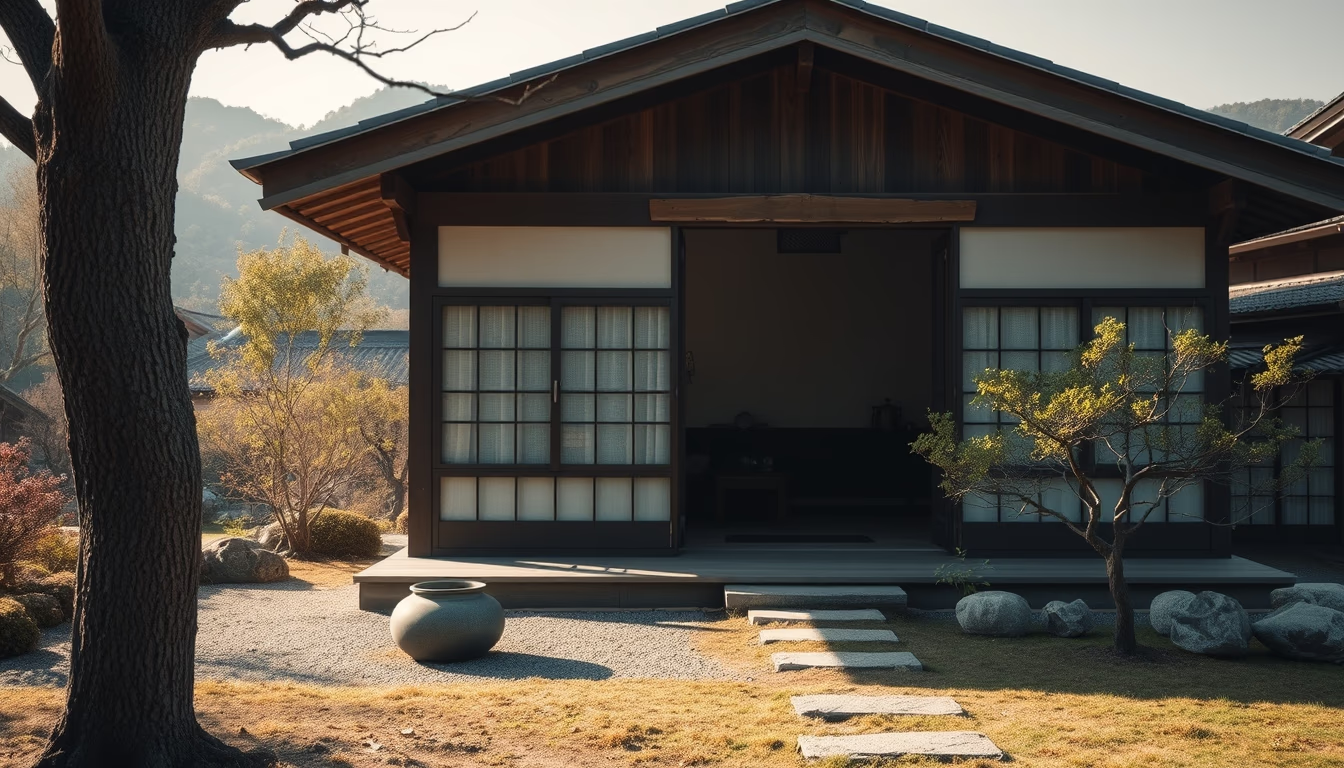
Shoji are sliding panels made of wood and rice paper, essential in traditional Japanese architecture, creating versatile and light-filled spaces.
About this subject
Shoji are sliding doors or partitions typical of Japan, consisting of a wooden frame (often cedar or cypress) covered with translucent washi paper. Originating in the Heian period (794-1185), they evolved from Chinese screens and became central elements in Japanese homes, allowing modular space and control of natural light. The wood, usually treated with natural oils, provides durability and a subtle aroma, while the paper softly diffuses light, creating a serene atmosphere.
In Zen culture, shoji hold symbolic meaning: they represent impermanence and connection to nature. The light filtering through washi changes with seasons and time of day, reminding of life's transience. Technically, traditional construction uses joinery without nails, enabling easy disassembly and repair. Solid wood shoji, such as those made from kiri (paulownia), are valued for lightness and resistance to termites.
Nowadays, shoji are appreciated worldwide in interior design seeking minimalism and sustainability. Modern versions may include glass or fabrics, but wooden models with handmade paper retain original aesthetic and functional value. Maintenance requires care to avoid excessive humidity and periodic paper replacement, preserving their beauty for decades.
Curiosity: in Japan, the number of panels in a shoji can have auspicious meanings, and the opening direction is planned to harmonize the flow of energy (ki) in the space.
Frequently Asked Questions
What is the difference between shoji and fusuma?
Shoji use translucent washi paper and let light through, while fusuma are opaque with thick paper or fabric, used for interior partitions.
How to clean a wooden shoji?
Use a soft dry or slightly damp cloth on the wood; avoid chemicals. The washi paper can be dusted with a feather duster or low-suction vacuum.
Can shoji be used in humid climates like Brazil?
Yes, with precautions: treated wood, waterproof varnish, and moisture-resistant synthetic paper help prevent warping and mold.
Direct URL
https://pub-c7d6a6ea828543ac903a74a341ccb2e1.r2.dev/imagens/shoji-screen-wooden-aerial-drone-shot-fresh11.avifHow to credit
Include a visible link back to UtilizAí. Copy one of the snippets below:
<a href="https://xn--utiliza-eza.com/en/midia/imagens/shoji-screen-wooden-aerial-drone-shot-fresh11">Shoji screen wooden</a> by <a href="https://xn--utiliza-eza.com">UtilizAí</a>, licensed under <a href="https://creativecommons.org/licenses/by/4.0/">CC BY 4.0</a>.
[Shoji screen wooden](https://xn--utiliza-eza.com/en/midia/imagens/shoji-screen-wooden-aerial-drone-shot-fresh11) by [UtilizAí](https://xn--utiliza-eza.com), CC BY 4.0
License: CC-BY-4.0