Sandstorm desert haboob
1344×768 · AVIF · CC BY 4.0
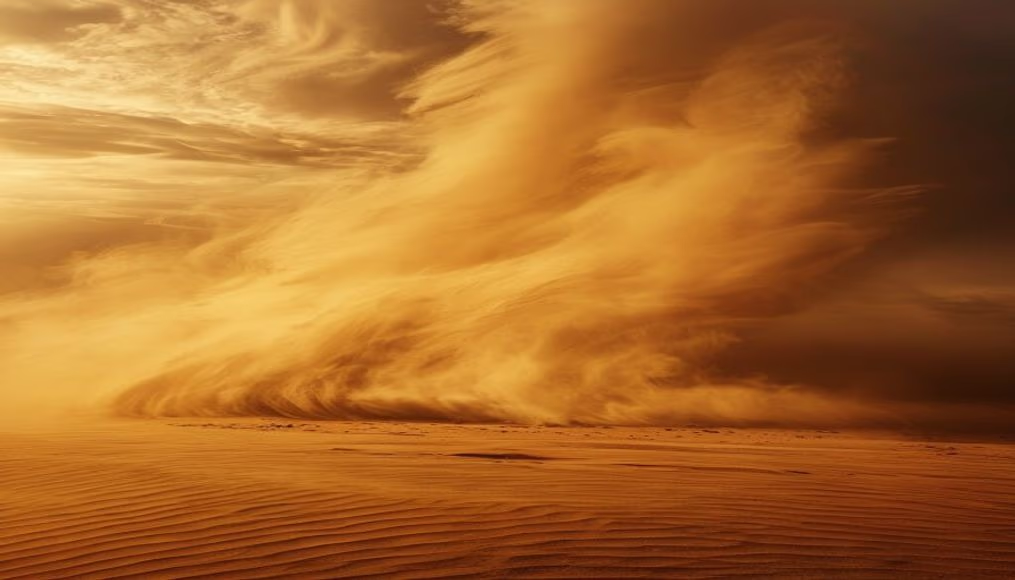
Haboobs are intense, sudden sandstorms that can engulf arid regions in minutes, reducing visibility to near zero.
About this subject
A haboob is a type of sandstorm or duststorm characterized by a dense, advancing wall of debris that moves rapidly. The term originates from the Arabic 'habb,' meaning 'to blow' or 'to explode,' and has been traditionally used in Sudan to describe these phenomena. While commonly associated with the Sahara Desert and the Horn of Africa, haboobs also occur in other arid regions worldwide, such as the southwestern United States, particularly Arizona, where summer monsoon winds lift massive dust clouds from the dry soil.
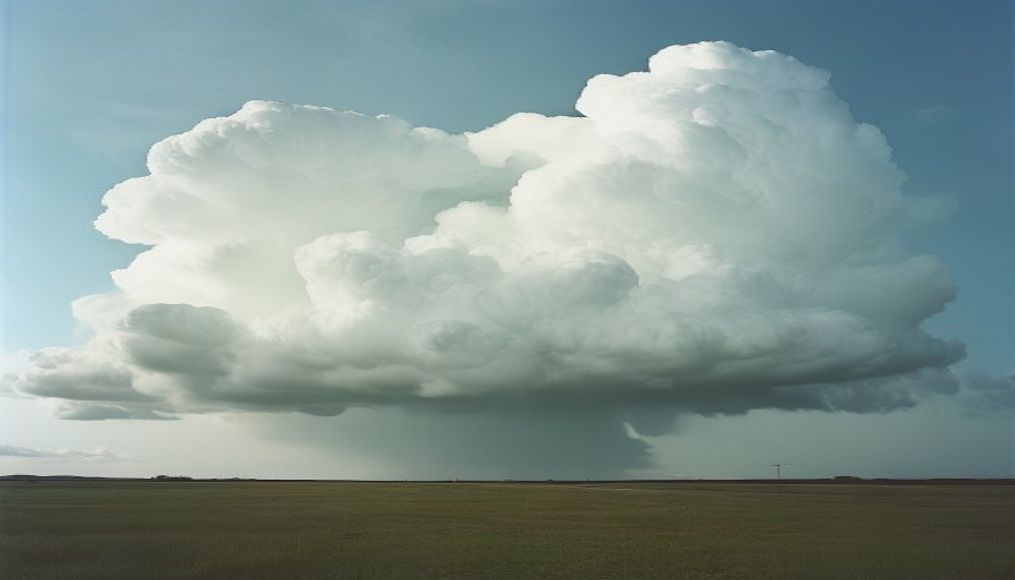
Haboob formation is typically linked to convective storms, such as cumulonimbus. Cold, dense air descending from the storm hits the ground and spreads violently, picking up loose dust and sand. This sediment wall can reach heights of 1,500 to 3,000 meters and advance at speeds of 30 to 60 km/h, though stronger winds can exceed 100 km/h. Visibility drops dramatically, creating hazardous conditions for travel and aviation.
Impacts of haboobs extend beyond reduced visibility. Inhalation of fine particles can cause respiratory issues, especially for individuals with asthma or lung diseases. Additionally, the dust carries fungi, bacteria, and pollutants that may affect long-term health. In agricultural areas, loss of topsoil and crop coverage pose economic challenges. Despite their dangers, haboobs are fascinating phenomena that shape desert landscapes and ecosystems, transporting nutrients over long distances.
Culturally, haboobs are part of life in desert regions. In Sudan, they have been known as 'haboob' since the 19th century, and communities have developed adaptation strategies such as sealing homes and avoiding travel during storms. With climate change, the frequency and intensity of these events may increase as prolonged droughts and land use alter the soil surface.
Frequently Asked Questions
What causes a haboob?
Haboobs are caused by downdrafts from convective storms. When the cold air hits the ground, it spreads rapidly, lifting loose dust and sand, forming a dense wall of debris.
How is a haboob different from a regular sandstorm?
The main difference is scale and intensity. A haboob is a sudden, localized sandstorm with a well-defined leading edge that can rise kilometers high, whereas regular sandstorms tend to be more diffuse and less abrupt.
Where do haboobs occur most frequently?
Haboobs are most common in Sudan and other Sahel regions of Africa, but also occur in the southwestern United States, especially Arizona, and parts of Australia, Saudi Arabia, and India.
Direct URL
https://pub-c7d6a6ea828543ac903a74a341ccb2e1.r2.dev/imagens/sandstorm-desert-haboob-travel-photography-p1.avifHow to credit
Include a visible link back to UtilizAí. Copy one of the snippets below:
<a href="https://xn--utiliza-eza.com/en/midia/imagens/sandstorm-desert-haboob-travel-photography-p1">Sandstorm desert haboob</a> by <a href="https://xn--utiliza-eza.com">UtilizAí</a>, licensed under <a href="https://creativecommons.org/licenses/by/4.0/">CC BY 4.0</a>.
[Sandstorm desert haboob](https://xn--utiliza-eza.com/en/midia/imagens/sandstorm-desert-haboob-travel-photography-p1) by [UtilizAí](https://xn--utiliza-eza.com), CC BY 4.0
License: CC-BY-4.0