Samurai katana
1344×768 · AVIF · CC BY 4.0
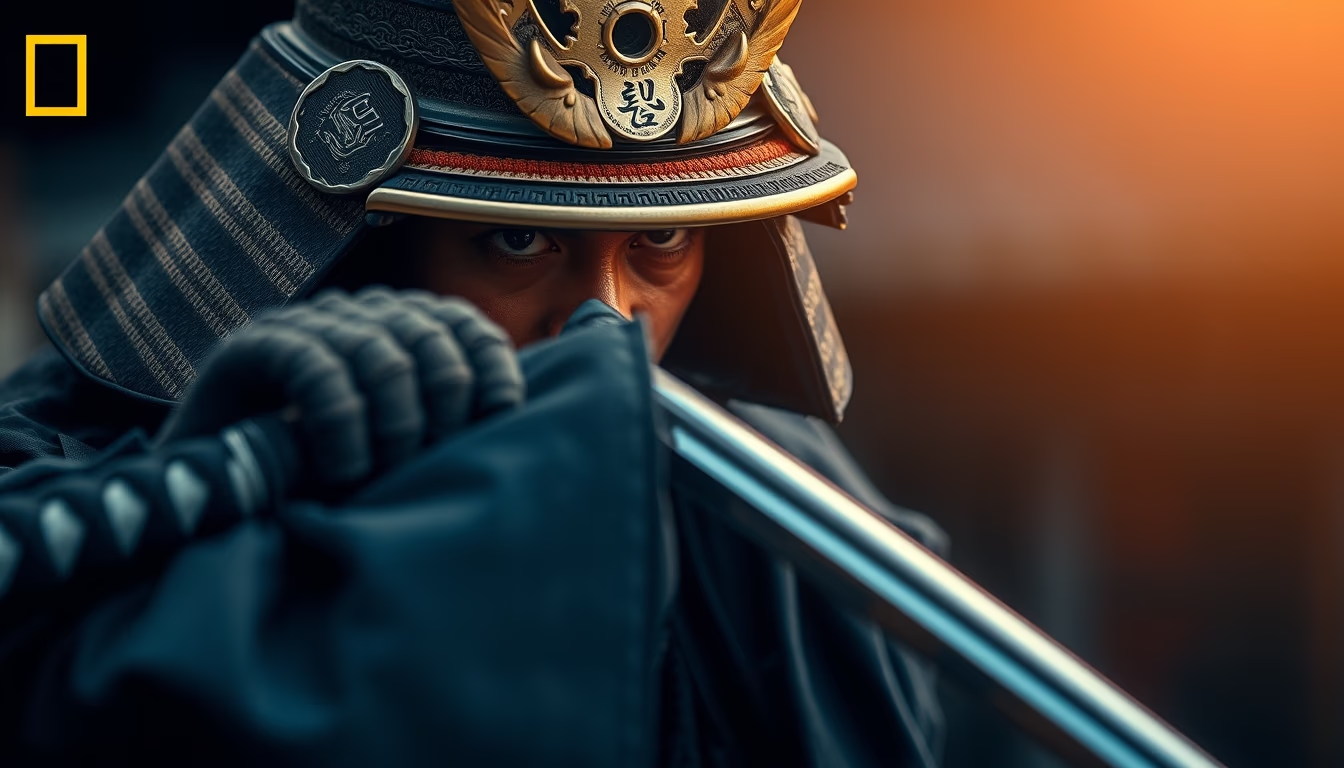
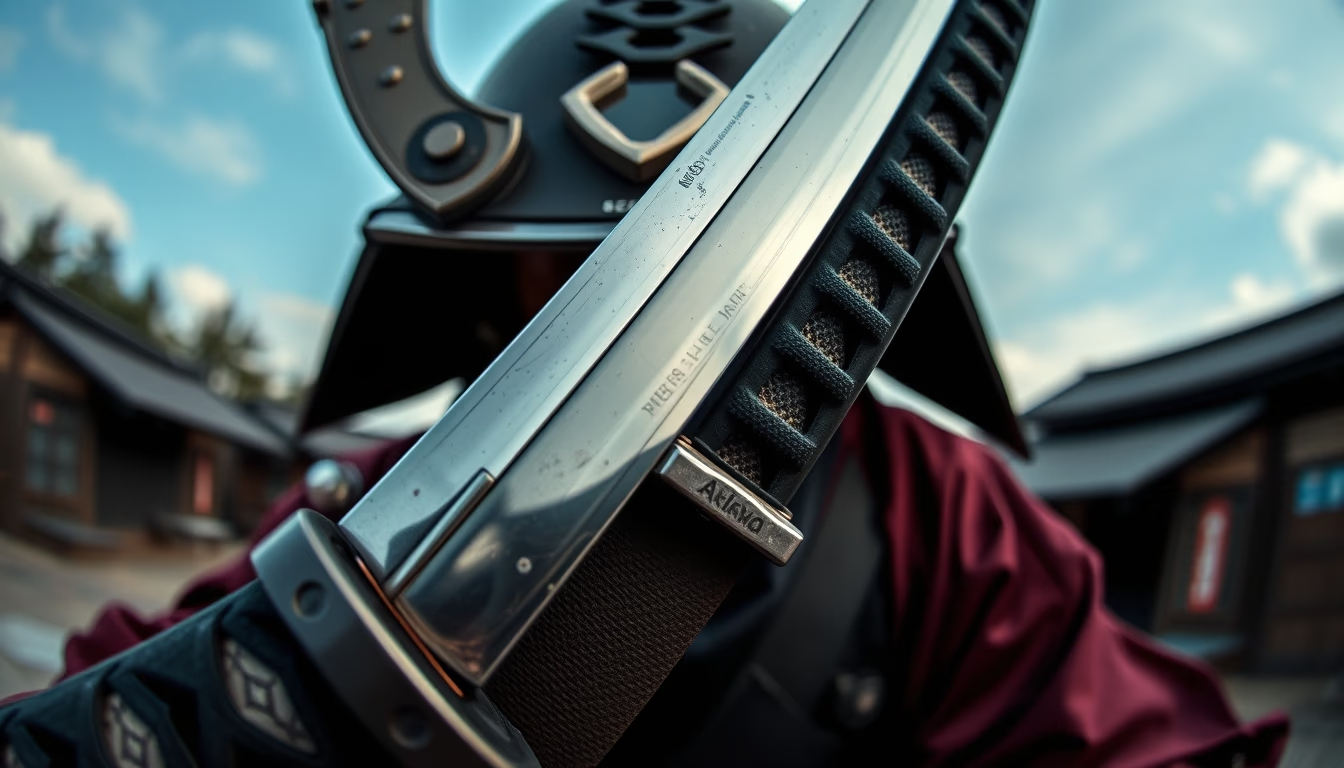
The samurai katana is a curved, single-edged sword, symbol of the Japanese warrior and traditional forging art.
About this subject
The katana emerged during the Kamakura period (1185-1333), when samurai needed a fast, effective sword for mounted combat. Its curved blade allowed quick, precise cuts. Traditional forging used tamahagane steel, obtained from iron sand. The smith repeatedly folded and hammered the metal to create layers, removing impurities and distributing carbon evenly. Differential heat treatment with clay coating produced the hamon (temper line) and a hard cutting edge while the spine remained flexible.
The katana was more than a weapon: it was an extension of the samurai's soul and a status symbol. Famous swords received names and were passed down as heirlooms. Master smiths like Masamune and Muramasa are legendary. During the Edo period, the katana became part of formal attire and an indicator of social hierarchy. After the abolition of the samurai class in the 19th century, production declined, but the forging art survived as cultural heritage.
Today, the katana is appreciated as art and practiced in martial arts like iaido and kendo. Only licensed smiths in Japan can produce traditional katanas, using centuries-old techniques. Each sword is unique, with hamon, curvature (sori), and details reflecting the smith's style. The katana continues to fascinate the world, embodying the discipline, honor, and technical skill of the samurai.
Frequently Asked Questions
What is the difference between a katana and a tachi?
The tachi is an older sword, usually more curved, worn by cavalry with the blade facing down. The katana emerged later, has a milder curve, and was worn with the blade up for quicker draw.
How was a traditional katana made?
The katana was forged from tamahagane steel, folded and hammered hundreds of times. Differential clay tempering produced the hamon. The process took weeks and involved multiple craftsmen.
What is the significance of the katana in Japanese culture?
The katana was the symbol of the samurai class, representing honor and discipline. It was considered a work of art and a spiritual heirloom. Today, it is protected as cultural heritage and practiced in martial arts.
Direct URL
https://pub-c7d6a6ea828543ac903a74a341ccb2e1.r2.dev/imagens/samurai-katana-national-geographic-style-p3.avifHow to credit
Include a visible link back to UtilizAí. Copy one of the snippets below:
<a href="https://xn--utiliza-eza.com/en/midia/imagens/samurai-katana-national-geographic-style-p3">Samurai katana</a> by <a href="https://xn--utiliza-eza.com">UtilizAí</a>, licensed under <a href="https://creativecommons.org/licenses/by/4.0/">CC BY 4.0</a>.
[Samurai katana](https://xn--utiliza-eza.com/en/midia/imagens/samurai-katana-national-geographic-style-p3) by [UtilizAí](https://xn--utiliza-eza.com), CC BY 4.0
License: CC-BY-4.0