Samurai armor detail
1344×768 · AVIF · CC BY 4.0
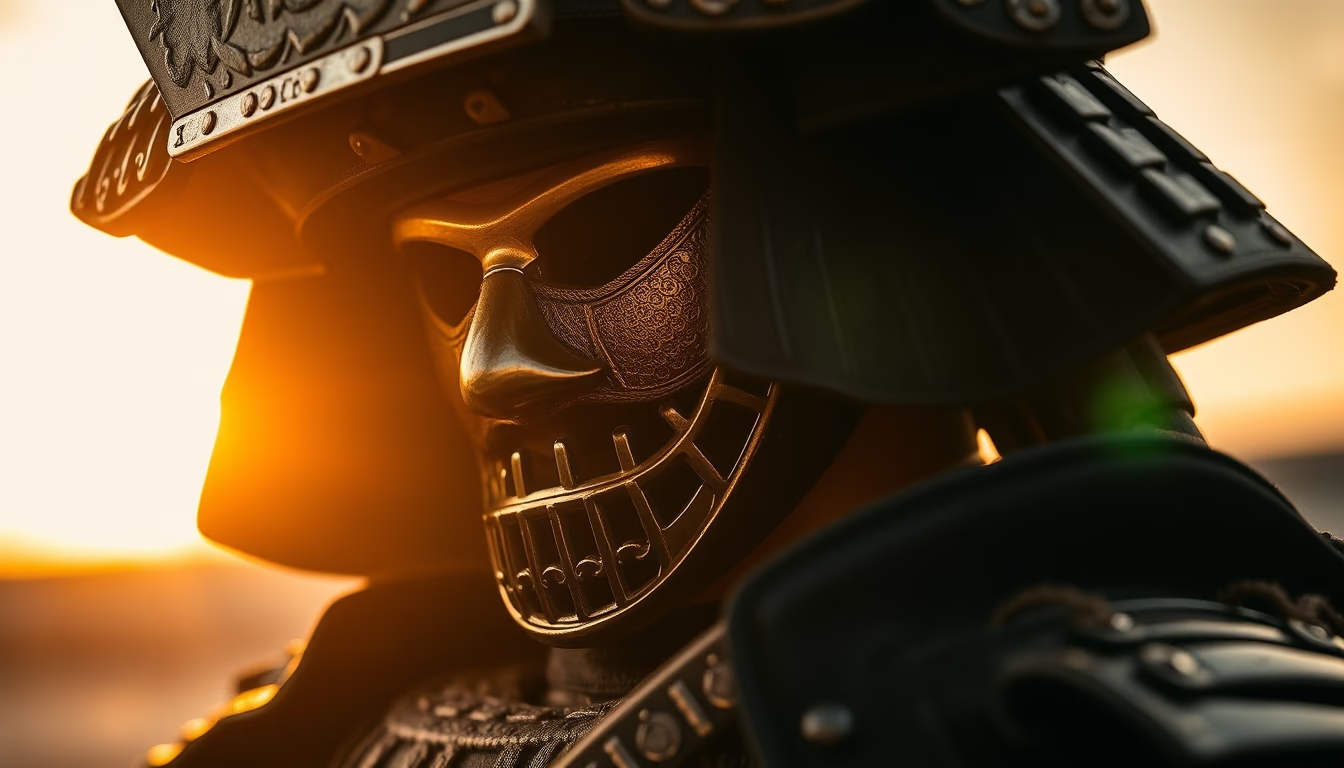
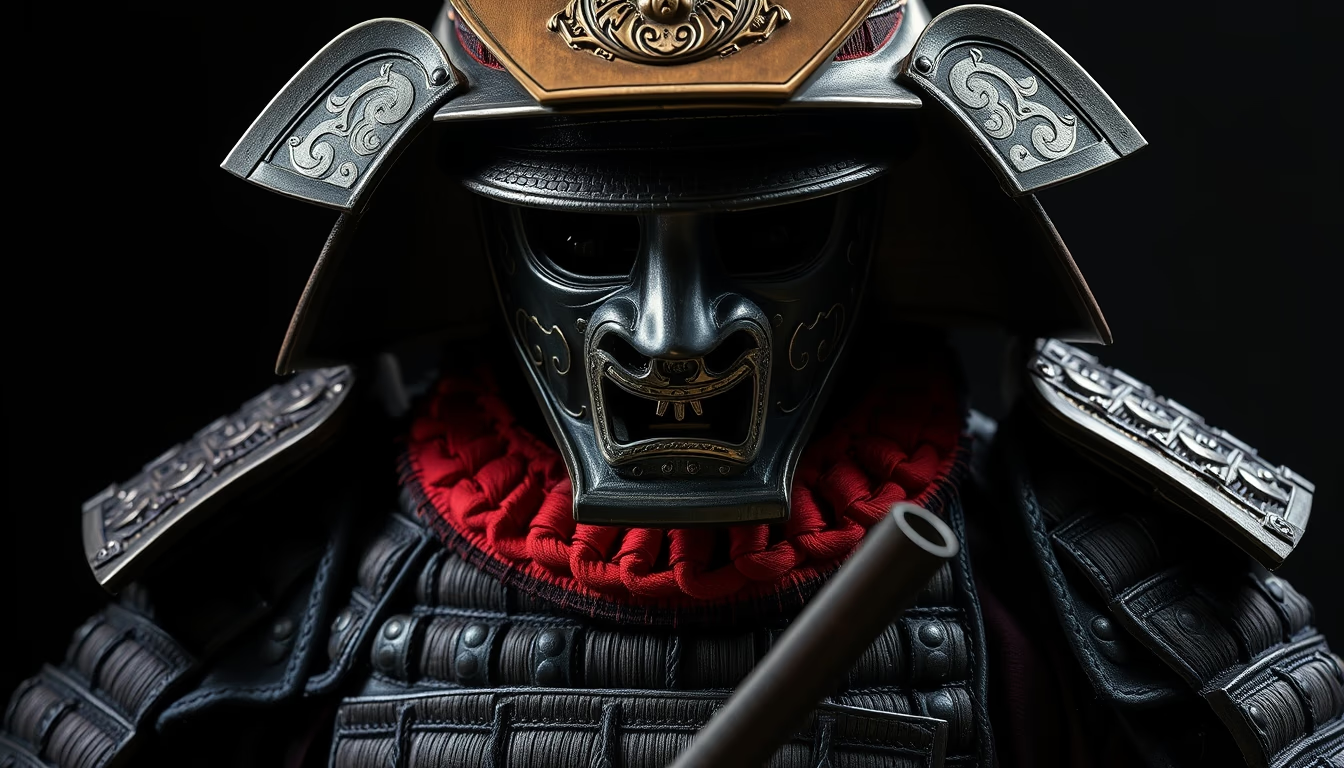
Intricate details of samurai armor reveal the master craftsmanship and status symbolism of feudal Japan's warrior class.
About this subject
Samurai armor, known as yoroi, was far more than protective gear; it was a functional work of art and a symbol of honor and lineage. Each component, from the kabuto (helmet) to the do (chest armor), was meticulously crafted by specialized artisans using iron, leather, lacquer, and silk. The armor plates (kozane) were laced together using braided silk cords (odoshi), creating a flexible design that allowed movement without compromising protection. The choice of cord colors and patterns often indicated the warrior's clan or rank.
The steel surface was frequently treated with urushi lacquer to prevent corrosion, and pieces were adorned with gold, silver, or copper inlays. The menpo (face mask) not only protected the face but also intimidated enemies with fierce expressions, such as metal mustaches or exposed teeth. The maedate (front crest on the helmet) displayed clan symbols, fans, buffalo horns, or mythological figures, making each armor unique.
Historically, armor evolution followed changes in battle tactics. In the Heian period, yoroi was heavy and used by cavalry; in the Sengoku period, lighter versions appeared for foot soldiers (ashigaru). Producing a high-quality armor could take months and cost as much as a small village budget. Today, preserved examples in museums or private collections are considered national treasures.
Interestingly, the urushi technique used in armor was also applied to everyday items like bowls and utensils. Additionally, a complete yoroi weighed between 15 and 25 kilograms, requiring intense physical training. The artistic detail of these pieces reflects the bushido philosophy, which valued both martial effectiveness and aesthetic beauty.
Frequently Asked Questions
What were the main parts of a samurai armor?
A complete yoroi included kabuto (helmet), menpo (face mask), do (chest armor), sode (shoulder guards), kote (armored sleeves), kusazuri (skirt of plates), sunabokuru (shin guards), and haidate (thigh protection). Each part served defensive and decorative purposes.
How did samurai move in such heavy armor?
The articulated design using silk cords (odoshi) allowed good mobility. Training from a young age and practice of martial arts like kenjutsu and jujutsu prepared warriors to handle the weight, which ranged from 15 to 25 kg.
Why are samurai armors considered works of art?
Each piece was handcrafted by specialized artisans using precious metals, urushi lacquer, and intricate carvings. Clan emblems and ornaments made every armor unique, reflecting the warrior's status and personality.
Direct URL
https://pub-c7d6a6ea828543ac903a74a341ccb2e1.r2.dev/imagens/samurai-armor-detail-travel-photography-p5.avifHow to credit
Include a visible link back to UtilizAí. Copy one of the snippets below:
<a href="https://xn--utiliza-eza.com/en/midia/imagens/samurai-armor-detail-travel-photography-p5">Samurai armor detail</a> by <a href="https://xn--utiliza-eza.com">UtilizAí</a>, licensed under <a href="https://creativecommons.org/licenses/by/4.0/">CC BY 4.0</a>.
[Samurai armor detail](https://xn--utiliza-eza.com/en/midia/imagens/samurai-armor-detail-travel-photography-p5) by [UtilizAí](https://xn--utiliza-eza.com), CC BY 4.0
License: CC-BY-4.0