Samurai armor detail
1344×768 · AVIF · CC BY 4.0
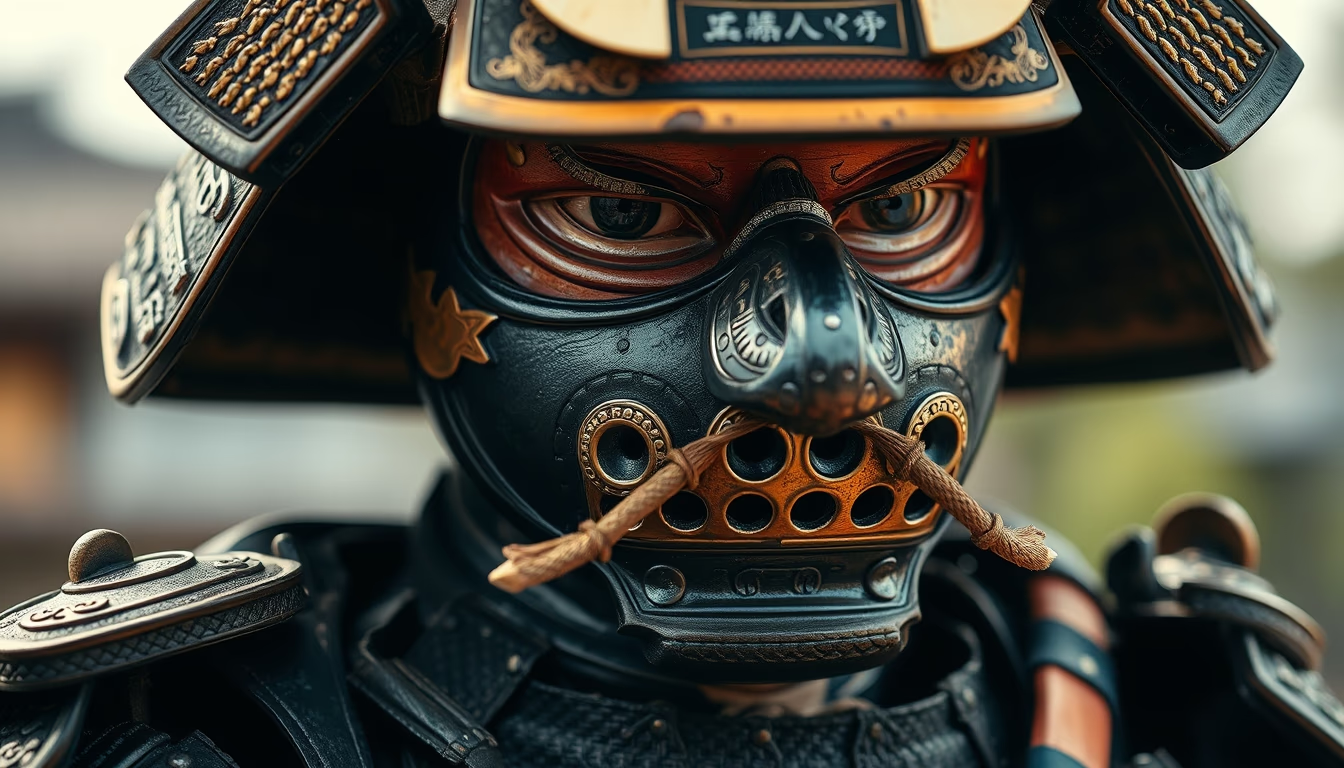
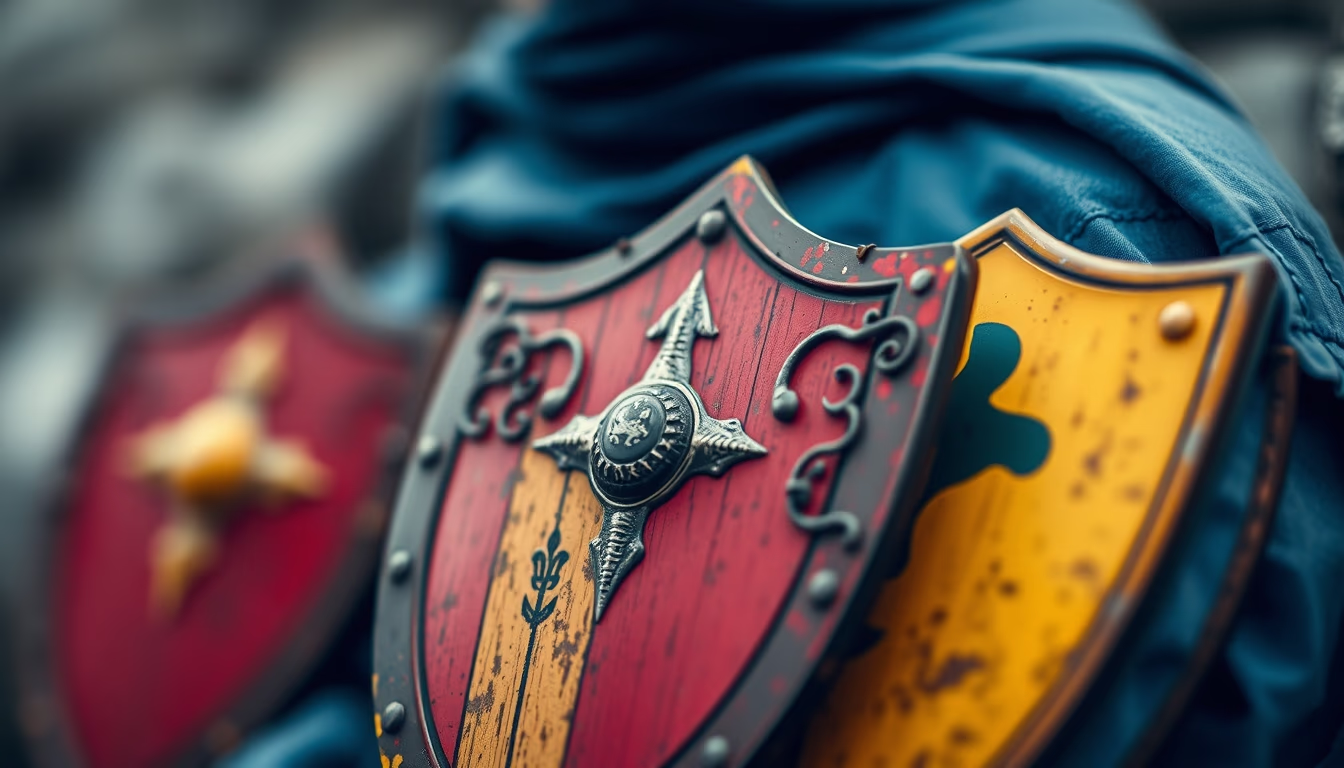
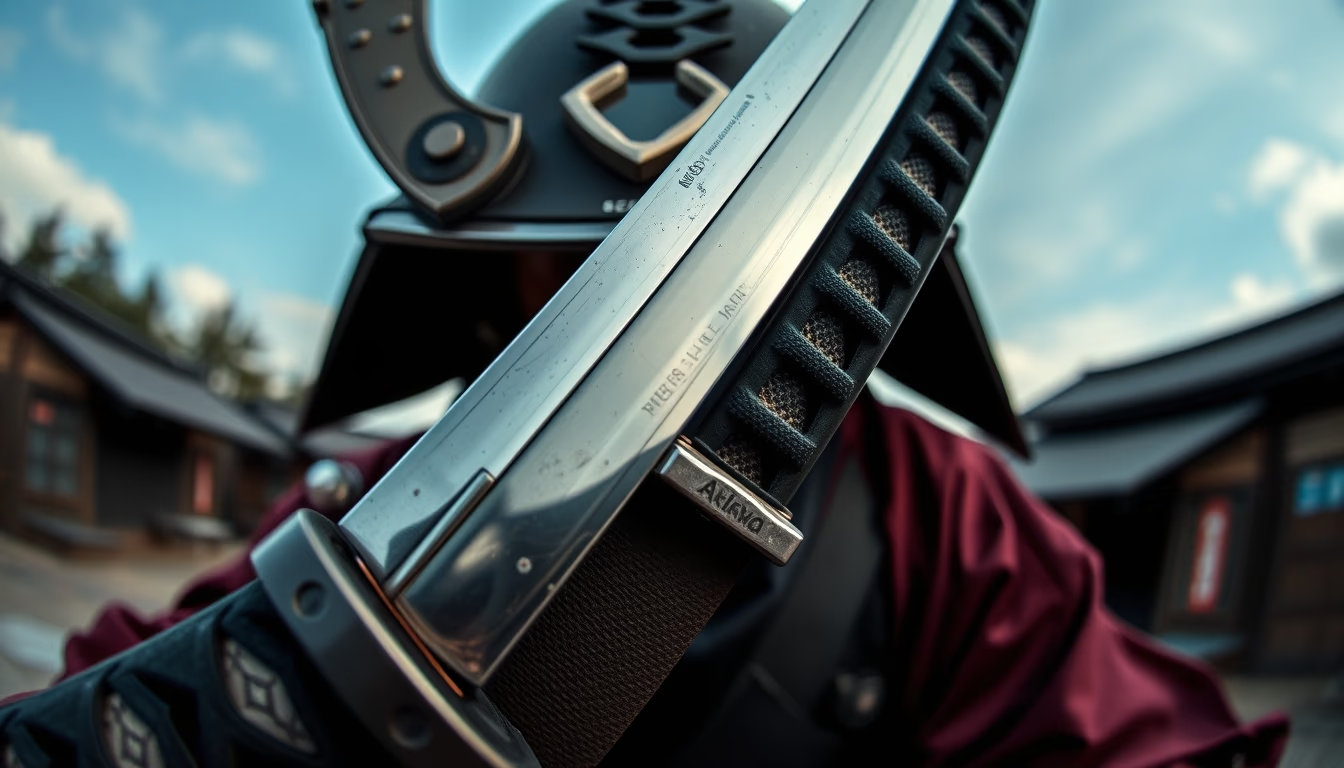
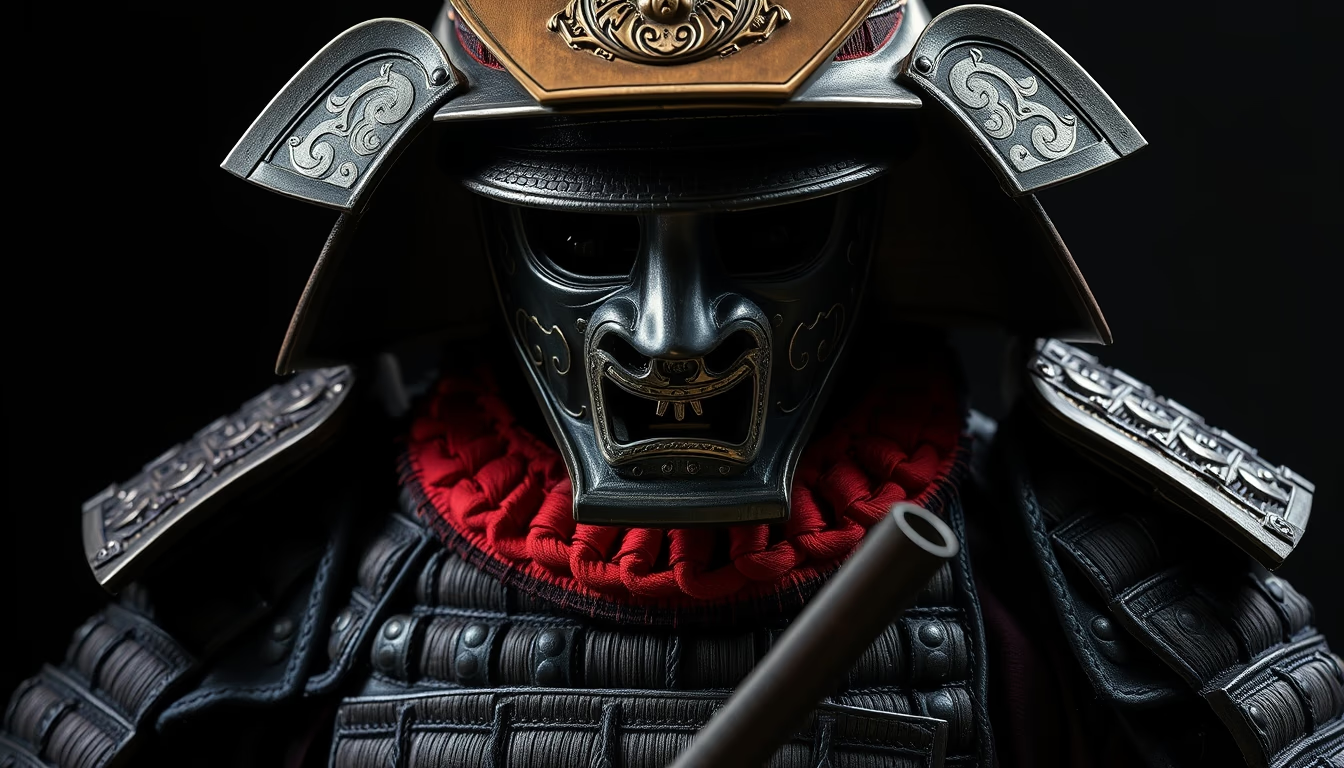
Intricate details of samurai armor reveal the technical and artistic sophistication of Japanese warriors from the feudal period.
About this subject
Samurai armor, known as yoroi, was far more than physical protection. Each component was carefully designed to balance functionality and symbolism. The kabuto (helmet) often featured a shikoro (neck guard) and a maedate (front crest) indicating the warrior's clan or lineage. The face mask (menpo) not only protected the face but also intimidated opponents with fierce expressions.
Crafting these armors required specialized artisans. Metal plates were coated with urushi lacquer to resist corrosion and bound together by colored silk cords (odoshi), which also served decorative purposes. Leather was used for flexible areas like shoulders and arms. Every detail, from color choices to lacing patterns, carried cultural and heraldic meaning.
Armor evolved over centuries. In the Heian period (794-1185), it was heavy and bulky for cavalry combat. During the Sengoku period (1467-1615), with the rise of infantry, it became lighter and more adaptable. Edo period (1603-1868) armor grew more ornate, reflecting a peaceful era where it served more as a status display than military gear.
Interestingly, samurai armor inspires modern designers, from science fiction films to video games. The level of artisanal detail makes them objects of study not only historically but also technically, showing how Japanese culture incorporates beauty and functionality into a single object.
Frequently Asked Questions
What was samurai armor made of?
Samurai armor was made of metal plates (usually iron or steel) coated with urushi lacquer to prevent rust, laced together with silk cords. Leather was used for flexible areas, and the interior was lined with fabric.
How much did a complete samurai armor weigh?
A full suit of armor could weigh between 15 and 25 kg, depending on the period and style. Despite the weight, it was designed to distribute the load across the shoulders and hips, allowing limited mobility.
What was the importance of the kabuto in samurai armor?
The kabuto not only protected the head but also displayed the warrior's identity through crests (maedate) and decorations. It served as a status symbol and clan emblem, often passed down through generations.
Direct URL
https://pub-c7d6a6ea828543ac903a74a341ccb2e1.r2.dev/imagens/samurai-armor-detail-national-geographic-style-p6.avifHow to credit
Include a visible link back to UtilizAí. Copy one of the snippets below:
<a href="https://xn--utiliza-eza.com/en/midia/imagens/samurai-armor-detail-national-geographic-style-p6">Samurai armor detail</a> by <a href="https://xn--utiliza-eza.com">UtilizAí</a>, licensed under <a href="https://creativecommons.org/licenses/by/4.0/">CC BY 4.0</a>.
[Samurai armor detail](https://xn--utiliza-eza.com/en/midia/imagens/samurai-armor-detail-national-geographic-style-p6) by [UtilizAí](https://xn--utiliza-eza.com), CC BY 4.0
License: CC-BY-4.0