Samurai armor detail
1344×768 · AVIF · CC BY 4.0
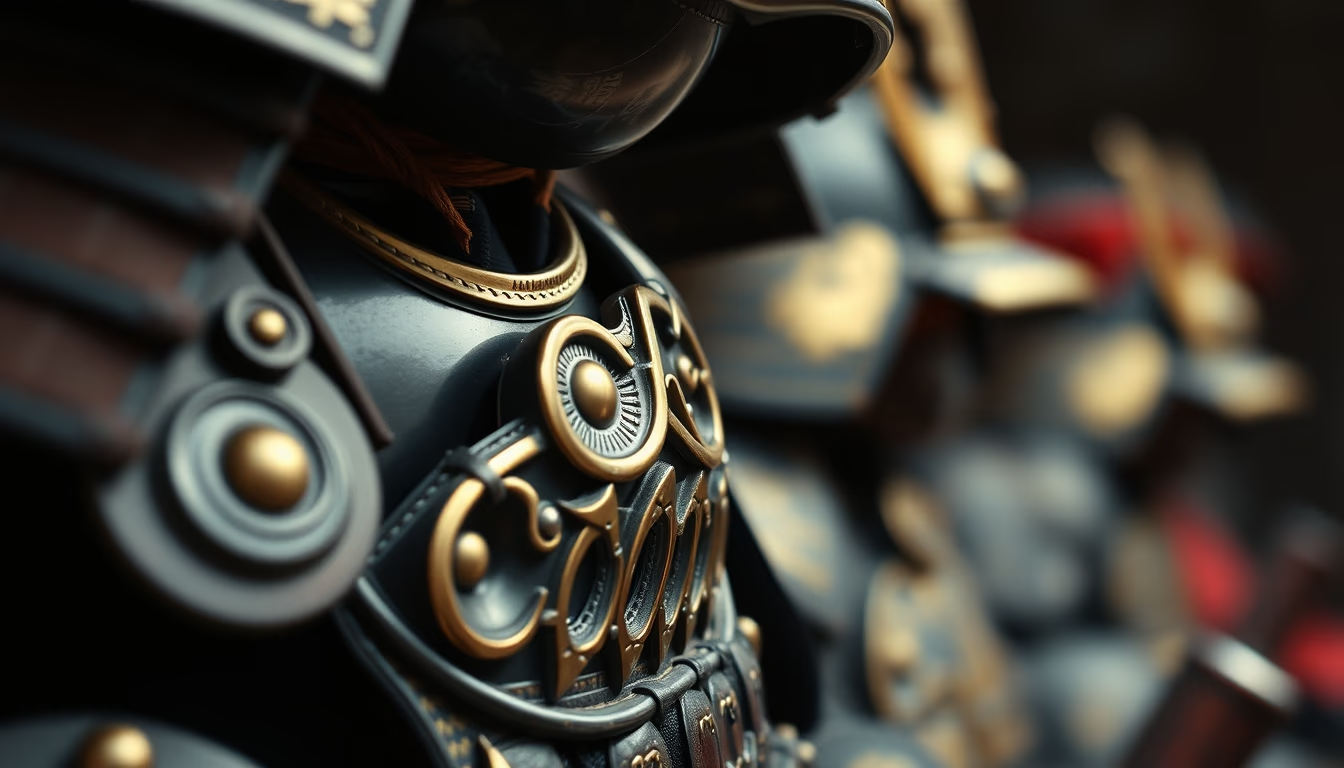
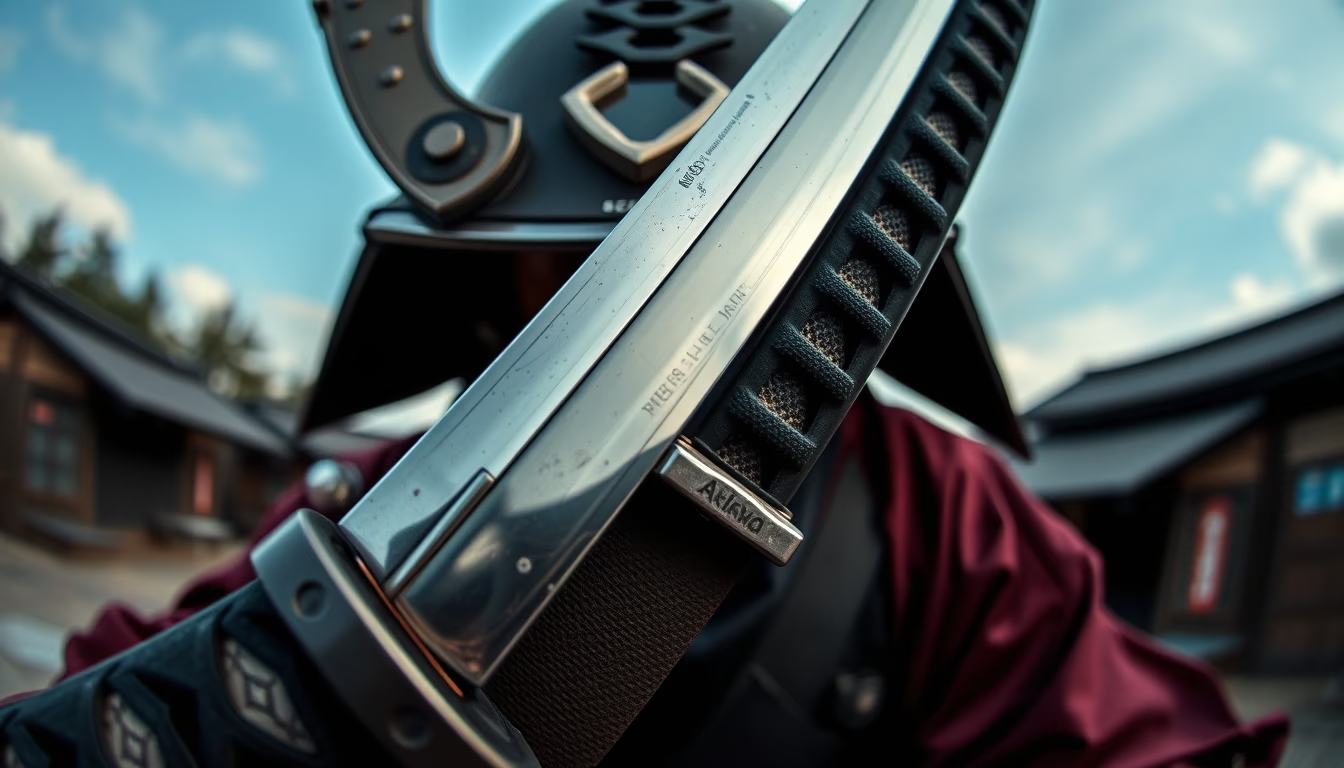
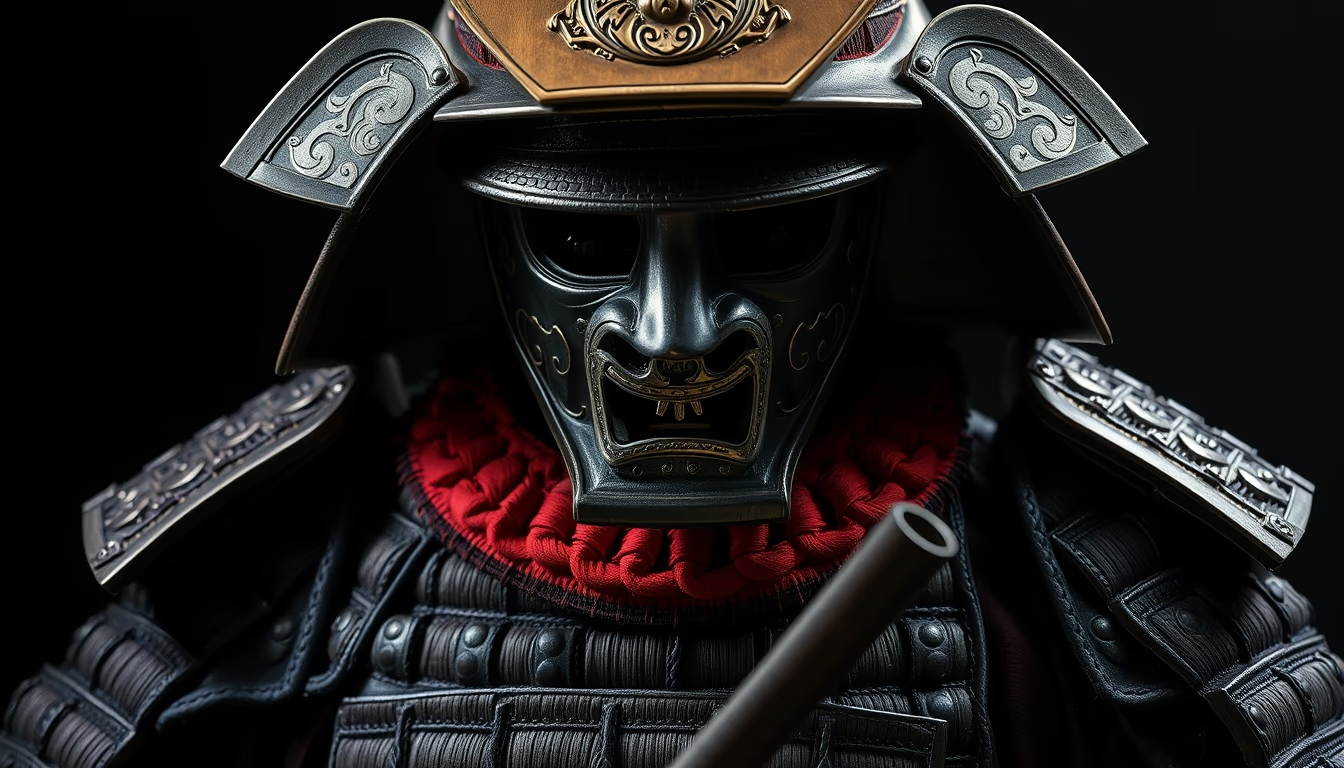
Intricate details of samurai armor reveal the mastery of Japanese blacksmiths in the feudal era, combining protection and symbolism.
About this subject
Samurai armor, known as yoroi, was far more than protective gear. Each piece was meticulously forged by specialized craftsmen who mastered techniques such as steel lamination. The kabuto (helmet) often featured a maedate (crest) that identified the warrior's clan. Leather or metal plates were connected by colored silk cords, forming a pattern both functional and visually striking. This structure allowed mobility without compromising strength.
The Sengoku period (1467, 1615) marked the peak of armor production, with innovations like the use of solid plates (tosei gusoku) to counter firearms. A complete yoroi could take months to produce, involving blacksmiths, leatherworkers, and embroiderers. Details such as the nodowa (throat guard) and sode (shoulder guard) were designed with precise fittings, reflecting the samurai obsession with functionality and honor.
Beyond military value, armors were status symbols. Reds, golds, and blues, achieved with natural pigments and lacquer, communicated lineage and achievements. Many pieces featured embossed dragons, chrysanthemums, or Buddhist deities, believed to provide spiritual protection. Today, well-preserved examples are displayed in museums like the Tokyo National Museum, where the craftsmen's work can be appreciated in minute detail.
Preserving these armors is challenging. Lacquer and metals oxidize over time, requiring specialized care. Restorers use traditional techniques to maintain integrity. Each detail of a samurai armor thus offers a window into a period of intense technical and cultural creativity in feudal Japan.
Frequently Asked Questions
What does the crest (maedate) on a samurai helmet mean?
The maedate is a front emblem on the kabuto that identified the samurai's clan or lineage. It could be made of metal, horn, or carved leather, and often incorporated symbolic elements like deer antlers or ginkgo leaves.
How were the plates of yoroi armor connected?
The plates were pierced and laced together with braided silk cords called odoshi. This technique provided flexibility and shock absorption. The color of the cords had decorative significance and could identify the clan.
What is the difference between yoroi and tosei gusoku?
Yoroi refers to traditional Japanese armor with overlapping plates. Tosei gusoku emerged in the Sengoku period, featuring solid plates and a design adapted for firearms, offering greater protection against bullets.
Direct URL
https://pub-c7d6a6ea828543ac903a74a341ccb2e1.r2.dev/imagens/samurai-armor-detail-lo-fi-disposable-camera-p10.avifHow to credit
Include a visible link back to UtilizAí. Copy one of the snippets below:
<a href="https://xn--utiliza-eza.com/en/midia/imagens/samurai-armor-detail-lo-fi-disposable-camera-p10">Samurai armor detail</a> by <a href="https://xn--utiliza-eza.com">UtilizAí</a>, licensed under <a href="https://creativecommons.org/licenses/by/4.0/">CC BY 4.0</a>.
[Samurai armor detail](https://xn--utiliza-eza.com/en/midia/imagens/samurai-armor-detail-lo-fi-disposable-camera-p10) by [UtilizAí](https://xn--utiliza-eza.com), CC BY 4.0
License: CC-BY-4.0