Rust patina detail
1344×768 · AVIF · CC BY 4.0
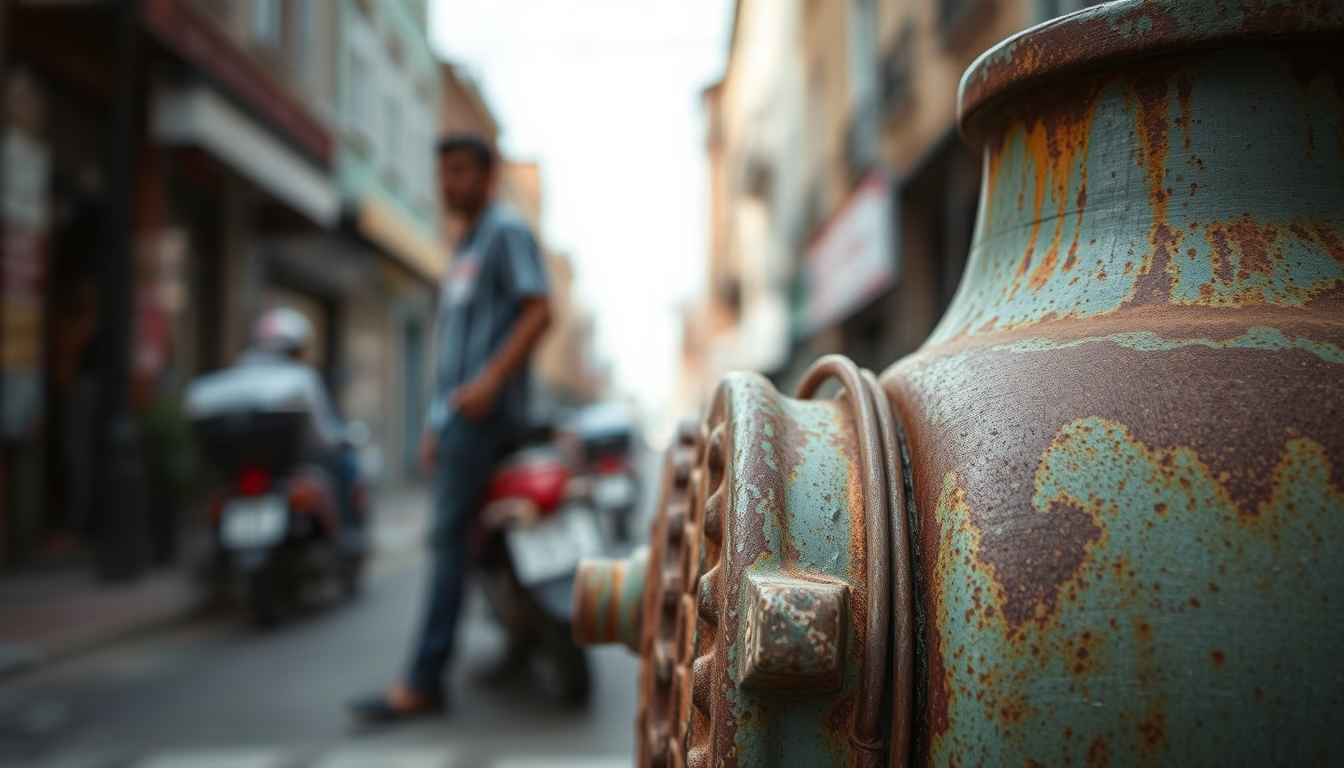
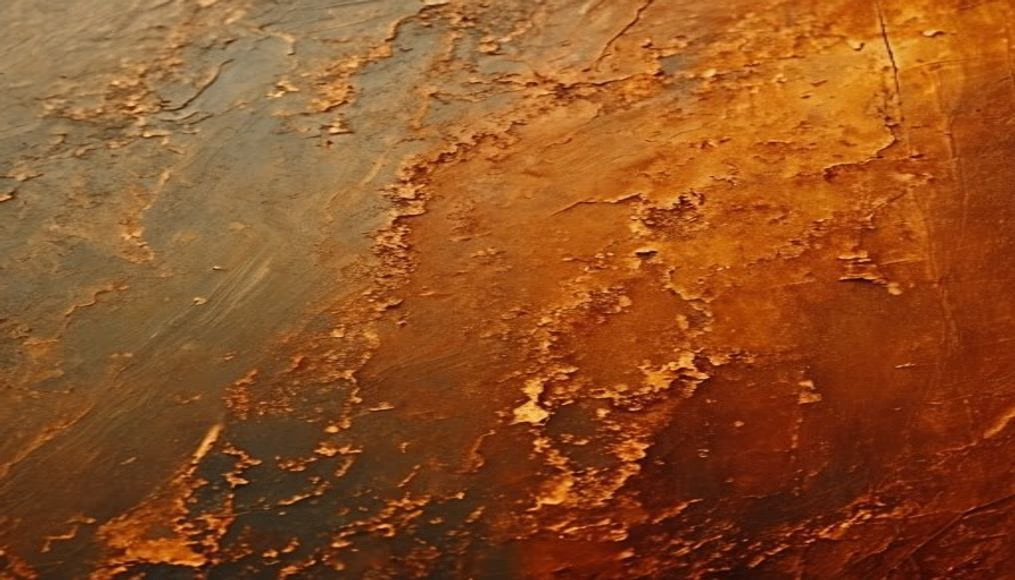
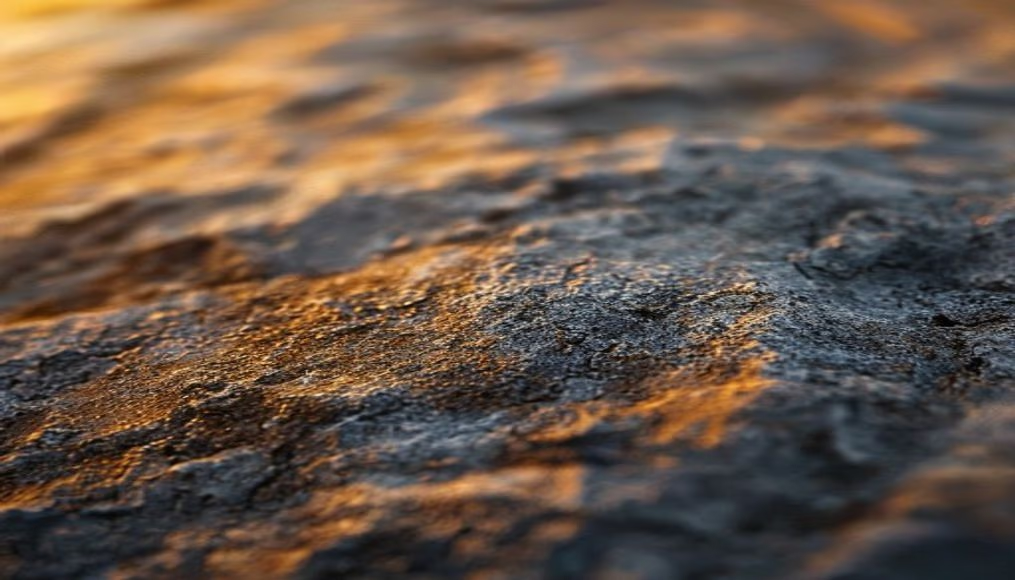
Detail of rust on a metal surface reveals textures and colors that tell the story of exposure to the elements.
About this subject
Rust, or iron oxidation, is a natural chemical process that occurs when metal reacts with oxygen and moisture. This phenomenon is common in structures exposed to the outdoors, such as bridges, railings, tanks, and industrial equipment. The characteristic orange and brown coloration results from the formation of hydrated iron oxide, which flakes off in scaly layers. In urban and port environments, rust is a visual marker of age and maintenance (or lack thereof) of constructions.
Beyond aesthetics, rust has practical implications in engineering and conservation. Metal structures require protection against corrosion, such as anti-rust paint or galvanization, to prevent loss of strength. The oxidation rate varies with relative humidity, presence of pollutants (like sulfur dioxide), and temperature. In coastal regions, sea spray accelerates the process, while in dry climates rust develops more slowly.
Culturally, rust is associated with abandonment and decay, being a recurring theme in ruin photography and industrial aesthetics. Artists and photographers explore its abstract textures to create compositions that evoke the passage of time and memory. In some contexts, such as the Japanese wabi-sabi movement, the patina of rust is appreciated as imperfect and ephemeral beauty.
Curiosity: rust can be removed chemically with acids or mechanically with wire brushes, but in historical objects preserving the patina is often desired to maintain authenticity. In nature, acidophilic bacteria like Acidithiobacillus ferrooxidans can oxidize iron in acidic environments, contributing to the formation of acid mine drainage.
Frequently Asked Questions
What causes rust?
Rust is caused by the oxidation of iron in contact with oxygen and water. The chemical reaction forms hydrated iron oxide, which expands and flakes, damaging the metal.
How to prevent rust on metal structures?
Anti-rust paint, galvanization (zinc coating), or corrosion-resistant alloys like stainless steel can be used. Regular maintenance and humidity control also help.
Does rust have any positive use?
Yes, in photography and arts, rust texture is aesthetically valued. Additionally, iron-oxidizing bacteria are used in bioleaching processes to extract metals from ores.
Direct URL
https://pub-c7d6a6ea828543ac903a74a341ccb2e1.r2.dev/imagens/rust-patina-detail-street-photography.avifHow to credit
Include a visible link back to UtilizAí. Copy one of the snippets below:
<a href="https://xn--utiliza-eza.com/en/midia/imagens/rust-patina-detail-street-photography">Rust patina detail</a> by <a href="https://xn--utiliza-eza.com">UtilizAí</a>, licensed under <a href="https://creativecommons.org/licenses/by/4.0/">CC BY 4.0</a>.
[Rust patina detail](https://xn--utiliza-eza.com/en/midia/imagens/rust-patina-detail-street-photography) by [UtilizAí](https://xn--utiliza-eza.com), CC BY 4.0
License: CC-BY-4.0