Rust patina detail
1344×768 · AVIF · CC BY 4.0

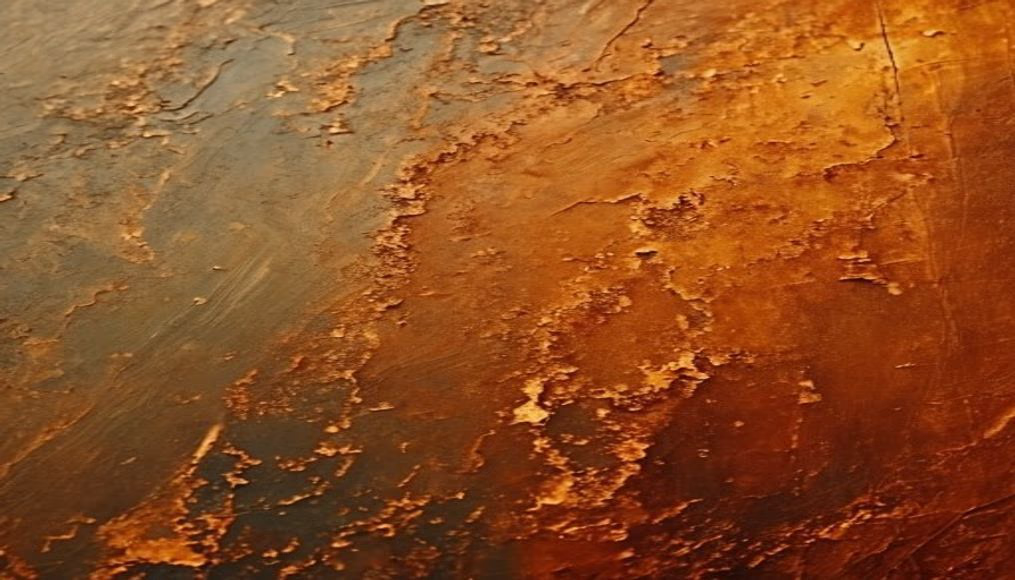
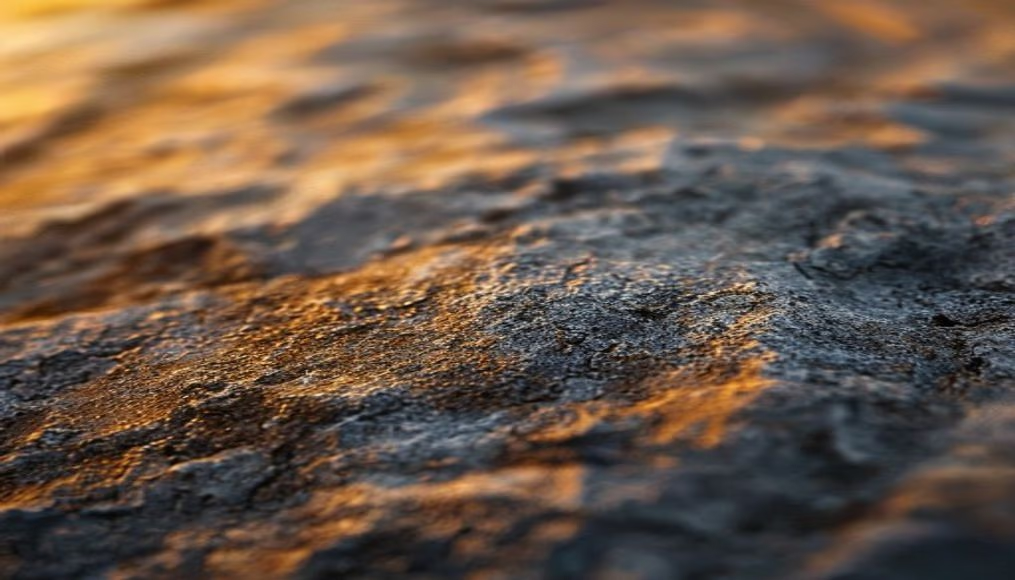
Details of rust patina on metal surfaces reveal textures and colors that tell stories of exposure and age.
About this subject
Rust patina is a natural phenomenon that occurs when iron or its alloys, such as steel, are exposed to oxygen and moisture over extended periods. This oxidation process creates layers of hydrated iron oxide, known as rust, which can exhibit a wide range of colors, from orange and brown to reddish hues and even blues or greens, depending on the exact chemical composition and environmental conditions. The resulting texture is often irregular, with crusts, scales, and depressions that reflect the progression of corrosion.
Although rust is generally seen as a sign of deterioration, it is also valued in artistic and architectural contexts. Rust patina confers an industrial and vintage aesthetic, frequently used in design projects seeking an aged and authentic look. In architecture, materials like Corten steel are deliberately left to oxidize, creating a protective layer that prevents deeper corrosion. This type of steel is common in building facades, bridges, and sculptures, where the patina is an integral part of the design.
In terms of conservation, rust can be a significant problem for metal structures, requiring maintenance and treatments such as painting, galvanization, or the use of corrosion inhibitors. In coastal or industrial environments, where exposure to salts and pollutants accelerates the process, rust can form quickly. Rust patina, therefore, is both an aesthetic and practical issue, representing the interaction between metal and its environment over time.
Frequently Asked Questions
What causes rust patina?
Rust patina is caused by the oxidation of iron or its alloys when exposed to oxygen and moisture, resulting in the formation of hydrated iron oxide.
Can rust be beneficial in any context?
Yes, in artistic and architectural contexts, rust patina is valued for its industrial aesthetic. Corten steel, for example, is used in facades and sculptures for its protective rust layer that prevents deeper corrosion.
How to prevent rust on metal structures?
Rust can be prevented with painting, galvanization (zinc coating), use of corrosion-resistant alloys like stainless steel, or application of corrosion inhibitors. Regular maintenance is also essential.
Direct URL
https://pub-c7d6a6ea828543ac903a74a341ccb2e1.r2.dev/imagens/rust-patina-detail-cinematic-wide-shot-v2.avifHow to credit
Include a visible link back to UtilizAí. Copy one of the snippets below:
<a href="https://xn--utiliza-eza.com/en/midia/imagens/rust-patina-detail-cinematic-wide-shot-v2">Rust patina detail</a> by <a href="https://xn--utiliza-eza.com">UtilizAí</a>, licensed under <a href="https://creativecommons.org/licenses/by/4.0/">CC BY 4.0</a>.
[Rust patina detail](https://xn--utiliza-eza.com/en/midia/imagens/rust-patina-detail-cinematic-wide-shot-v2) by [UtilizAí](https://xn--utiliza-eza.com), CC BY 4.0
License: CC-BY-4.0