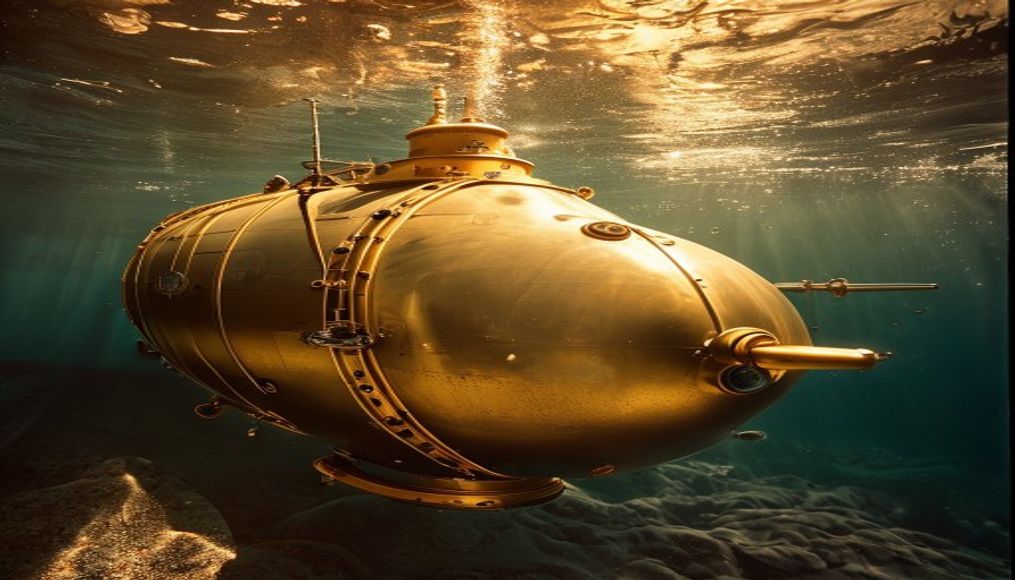
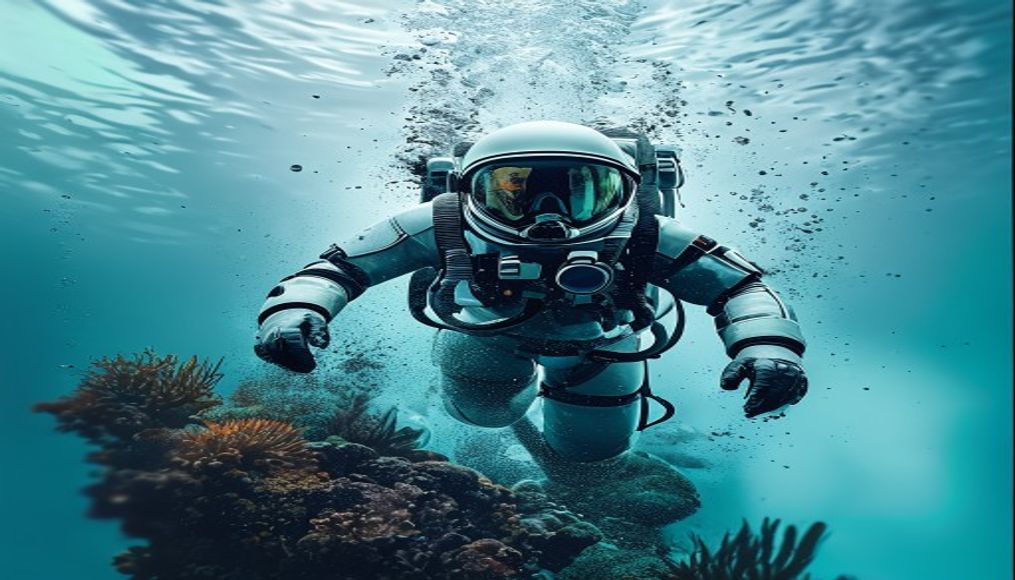
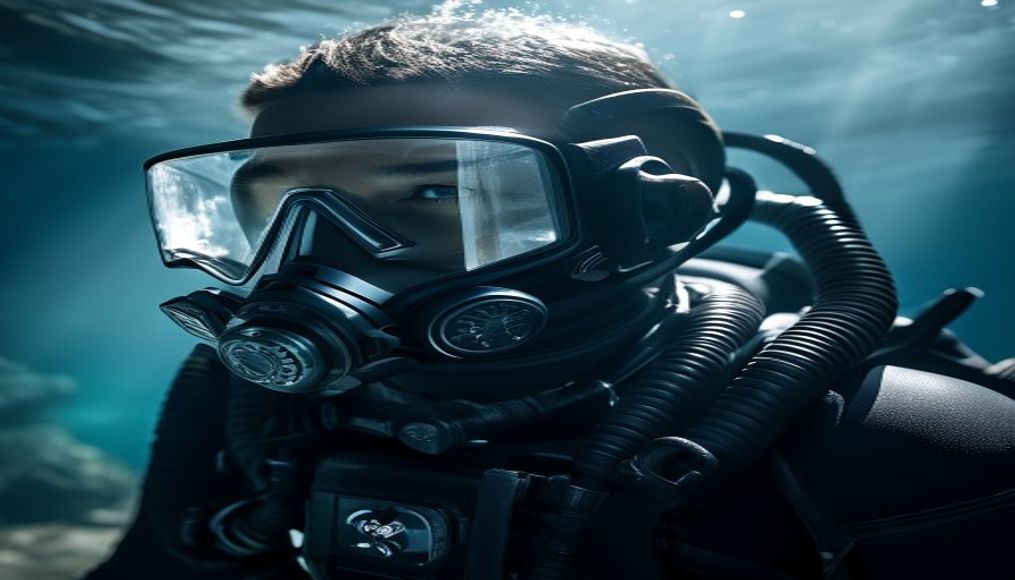
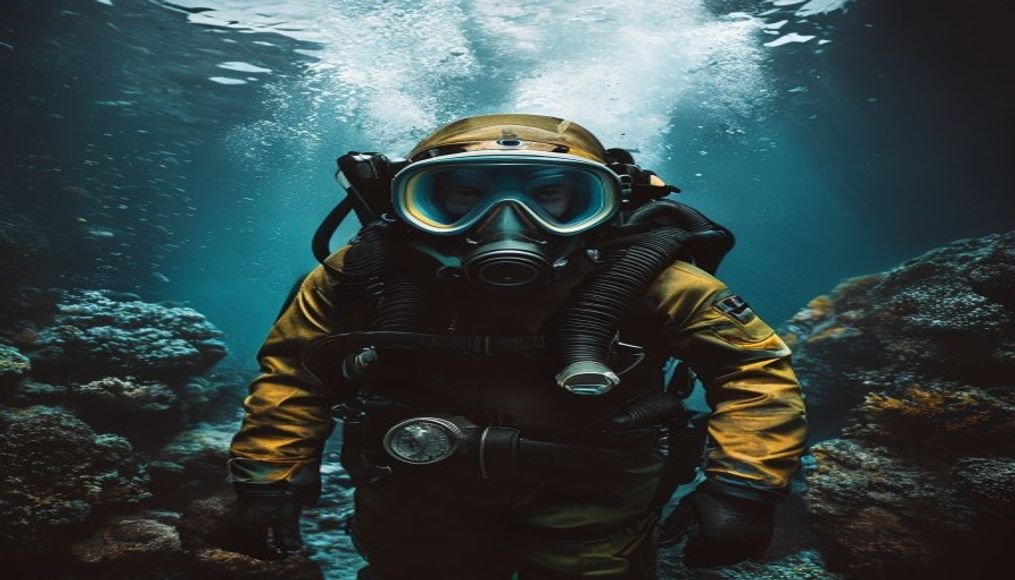
Rov remote operated
1344×768 · AVIF · CC BY 4.0

Remotely operated vehicles (ROVs) are essential for deep-sea exploration and research, enabling access to extreme marine ecosystems.
About this subject
Remotely operated vehicles, known as ROVs, are robotic underwater devices controlled via a tether from the surface. Since their initial development in the 1950s, ROVs have revolutionized ocean exploration, allowing scientists and engineers to reach depths exceeding 6,000 meters, where pressure is crushing and sunlight never penetrates.
ROVs are widely used in biological, geological, and archaeological underwater research. For instance, they were instrumental in discovering hydrothermal vents and chemosynthetic ecosystems on the seafloor, such as black smokers. Additionally, the oil and gas industry employs ROVs for inspecting and maintaining pipelines and platforms, while underwater archaeology uses them to explore shipwrecks at great depths.
An interesting fact is that the most advanced ROVs have manipulator arms with force sensors, high-definition cameras, and powerful lighting systems. They can collect samples of sediment, water, and living organisms without disturbing the environment. The ROV Jason, operated by the Woods Hole Oceanographic Institution, is one of the most renowned, having conducted expeditions in all of the world's oceans.
Operating an ROV requires a trained crew aboard a support ship, with operators controlling each movement of the vehicle in real time. Signal latency is minimal due to the physical cable, unlike autonomous vehicles. This direct control capability makes ROVs indispensable for delicate missions, such as repairing submarine cables or installing scientific equipment on the ocean floor.
Frequently Asked Questions
What is the maximum depth an ROV can reach?
Research ROVs can reach depths exceeding 6,000 meters, like the ROV Nereus, which descended to nearly 11,000 meters in the Mariana Trench. Common commercial models operate up to 3,000 meters.
What is the difference between an ROV and an AUV?
An ROV is tethered and controlled in real time, ideal for precise tasks. An AUV (autonomous underwater vehicle) navigates independently with preprogrammed instructions, mostly used for large-area mapping.
Are ROVs only used for scientific research?
No. Beyond science, ROVs are essential in the oil and gas industry, underwater infrastructure inspection, underwater archaeology, search and rescue, and even installing telecommunication cables.
Direct URL
https://pub-c7d6a6ea828543ac903a74a341ccb2e1.r2.dev/imagens/rov-remote-operated-magazine-editorial-p0.avifHow to credit
Include a visible link back to UtilizAí. Copy one of the snippets below:
<a href="https://xn--utiliza-eza.com/en/midia/imagens/rov-remote-operated-magazine-editorial-p0">Rov remote operated</a> by <a href="https://xn--utiliza-eza.com">UtilizAí</a>, licensed under <a href="https://creativecommons.org/licenses/by/4.0/">CC BY 4.0</a>.
[Rov remote operated](https://xn--utiliza-eza.com/en/midia/imagens/rov-remote-operated-magazine-editorial-p0) by [UtilizAí](https://xn--utiliza-eza.com), CC BY 4.0
License: CC-BY-4.0