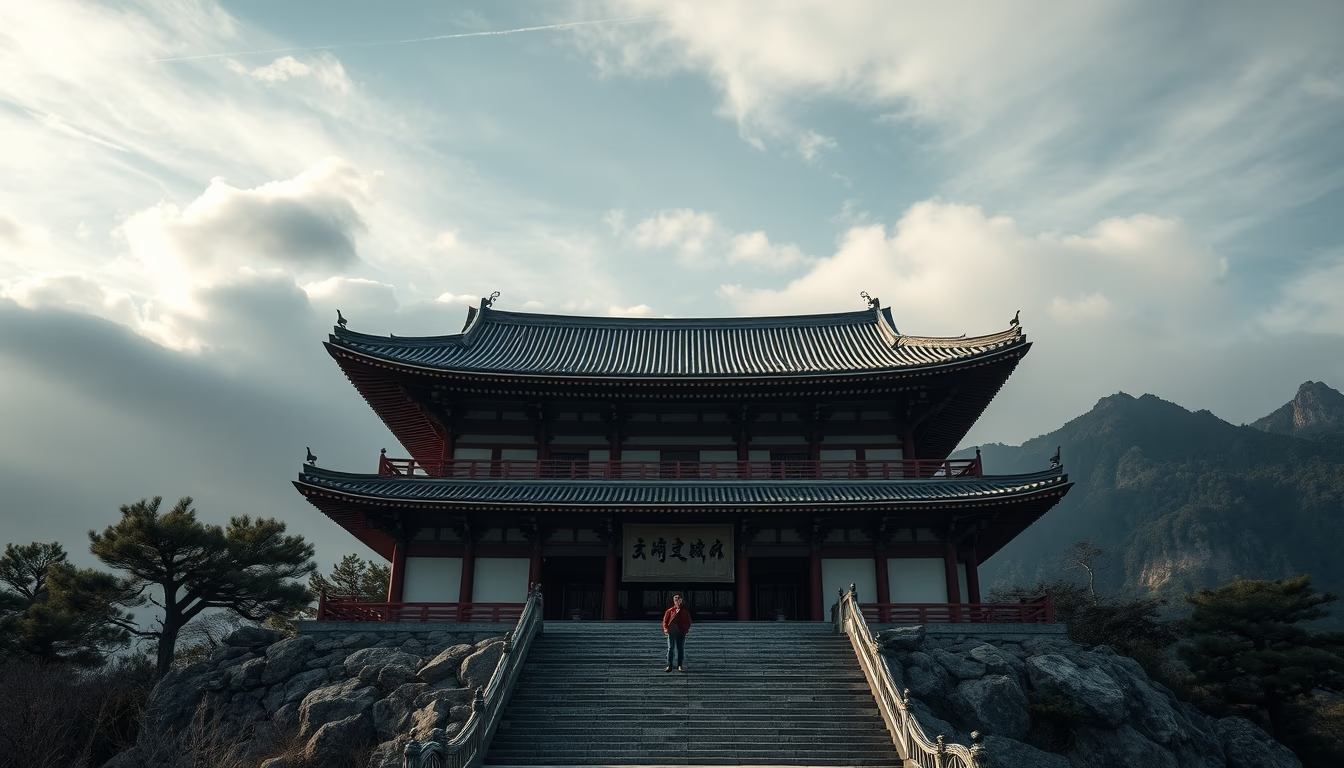
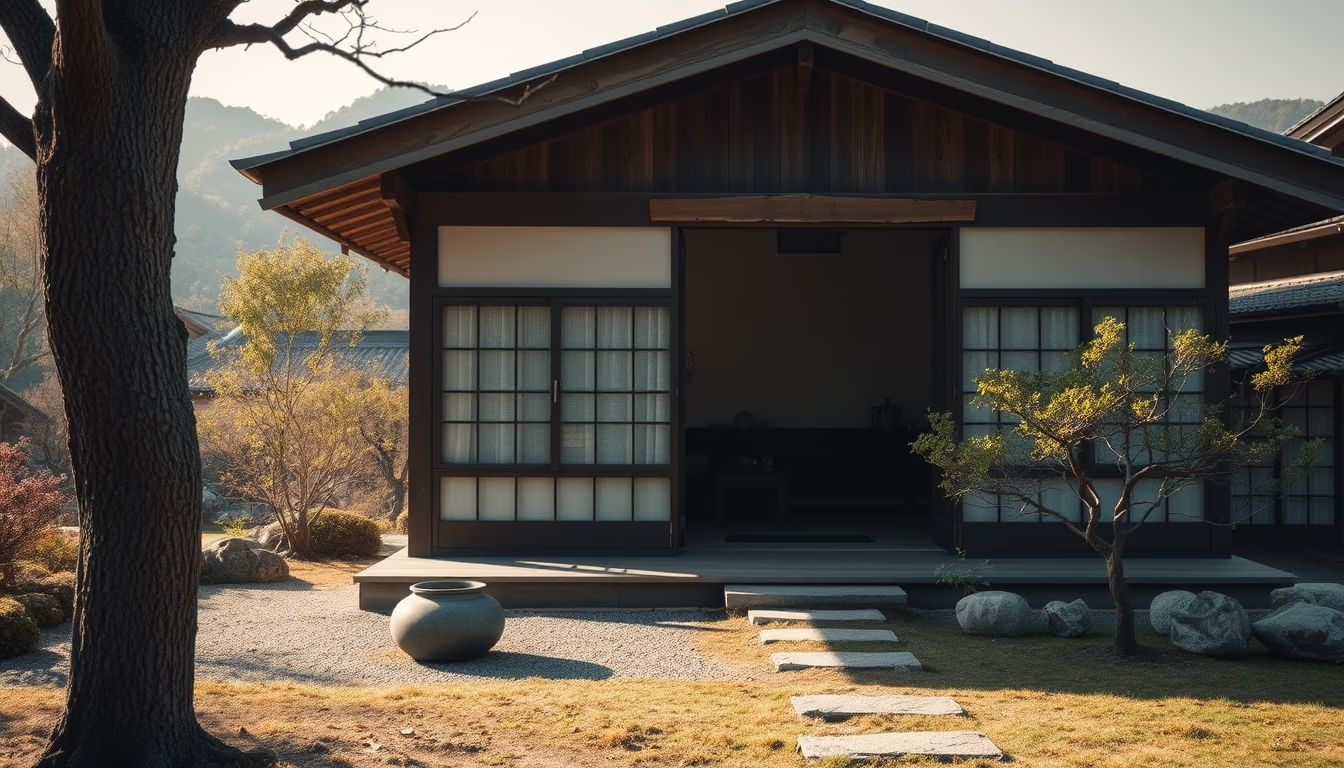
Rock garden raked patterns
1344×768 · AVIF · CC BY 4.0

Raked sand patterns in Japanese Zen gardens, such as those at Ryoanji Temple, represent waves and water, symbolizing life's impermanence.
About this subject
Zen gardens, known as karesansui (dry landscape), originated in Japan during the Muromachi period (1336-1573), heavily influenced by Zen Buddhism. The most famous example is the rock garden at Ryoanji Temple in Kyoto, dating from the late 15th century. Unlike Western gardens, they contain no real water: fine gravel or sand is used to simulate rivers, seas, and waves.
The raking technique involves wooden rakes to create precise patterns. Straight parallel lines represent calm water, while concentric circles around stones symbolize waves crashing against an island. Wavy patterns suggest currents or wind. Monks often renew these designs daily, a meditative act that reinforces discipline and presence.
Each element carries deep symbolism. Stones represent mountains or islands; sand represents water. Emptiness, or ma, is essential to evoke tranquility and contemplation. The aesthetic principle of wabi-sabi, which values imperfection and transience, guides the composition. Unlike ornamental gardens, these spaces are not meant to be walked on but observed from a specific vantage point, usually the temple veranda.
Interestingly, the garden at Ryoanji contains 15 stones arranged in groups, but from any single viewpoint only 14 are visible at once. This imperfect symmetry invites reflection on the incomplete nature of human perception. Today, Zen gardens are replicated worldwide, but their essence remains rooted in the Buddhist philosophy of simplicity and harmony.
Frequently Asked Questions
What do the raked patterns in Zen gardens mean?
The patterns represent moving water: straight lines indicate calm water, concentric circles suggest waves around islands, and wavy patterns symbolize currents or wind. They are made with wooden rakes and renewed daily as a meditative practice.
What is the origin of rock and sand gardens in Japan?
They originated in the Muromachi period, influenced by Zen Buddhism, which values simplicity and contemplation. The garden at Ryoanji Temple in Kyoto is the most iconic example, created in the late 15th century.
Why don't Zen gardens have real water?
The absence of real water is intentional: sand and gravel represent aquatic elements abstractly, following the karesansui (dry landscape) concept. This allows easy maintenance and invites symbolic interpretation.
Direct URL
https://pub-c7d6a6ea828543ac903a74a341ccb2e1.r2.dev/imagens/rock-garden-raked-patterns-long-exposure-fresh4.avifHow to credit
Include a visible link back to UtilizAí. Copy one of the snippets below:
<a href="https://xn--utiliza-eza.com/en/midia/imagens/rock-garden-raked-patterns-long-exposure-fresh4">Rock garden raked patterns</a> by <a href="https://xn--utiliza-eza.com">UtilizAí</a>, licensed under <a href="https://creativecommons.org/licenses/by/4.0/">CC BY 4.0</a>.
[Rock garden raked patterns](https://xn--utiliza-eza.com/en/midia/imagens/rock-garden-raked-patterns-long-exposure-fresh4) by [UtilizAí](https://xn--utiliza-eza.com), CC BY 4.0
License: CC-BY-4.0