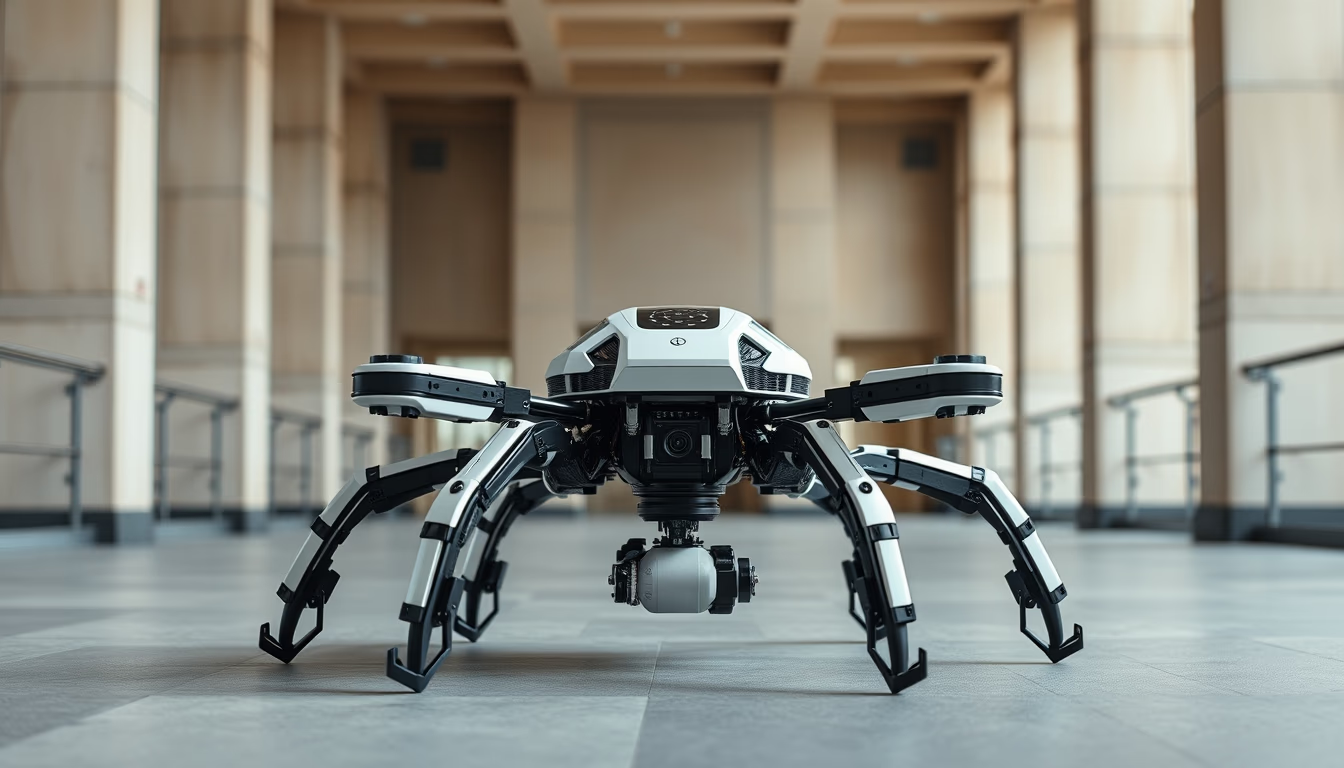
Robotic exoskeleton
1344×768 · AVIF · CC BY 4.0
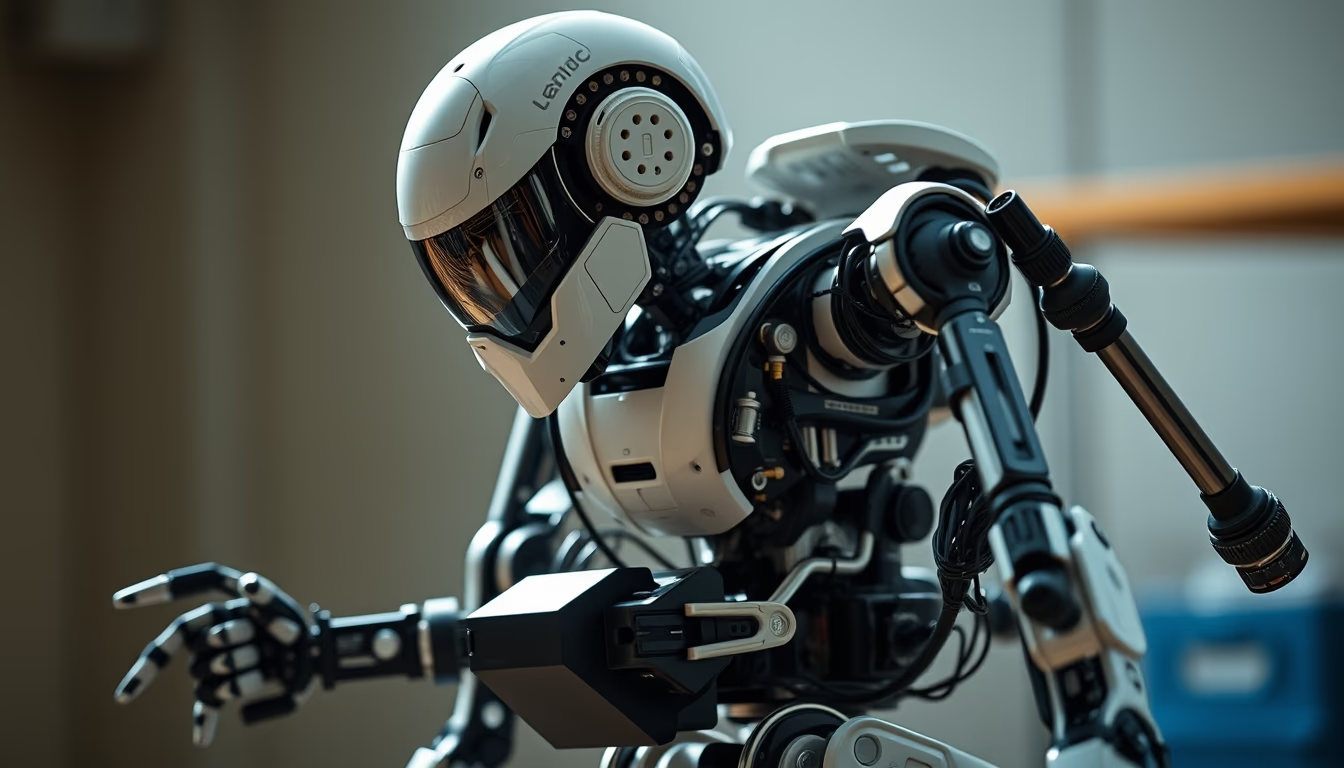
Explore the functioning and applications of robotic exoskeletons, wearable devices that enhance human strength and aid in rehabilitation.
About this subject
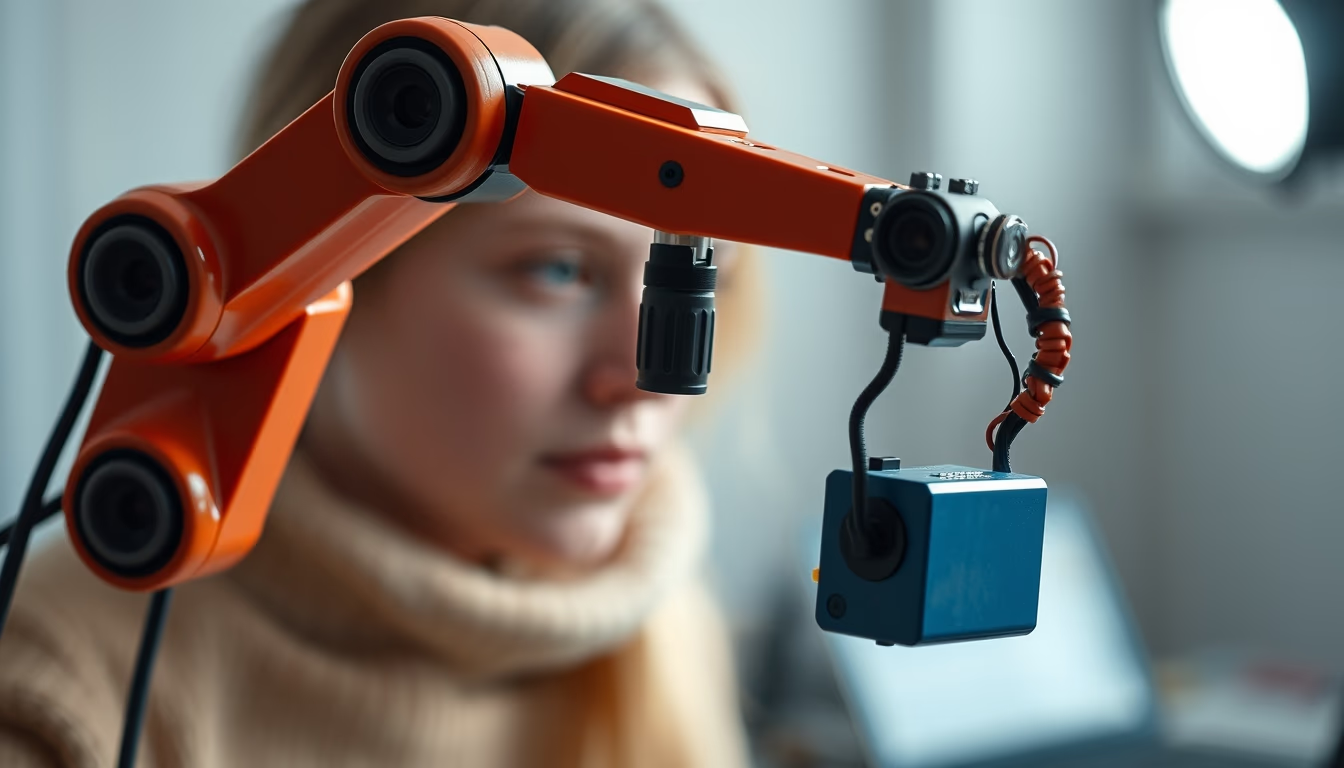
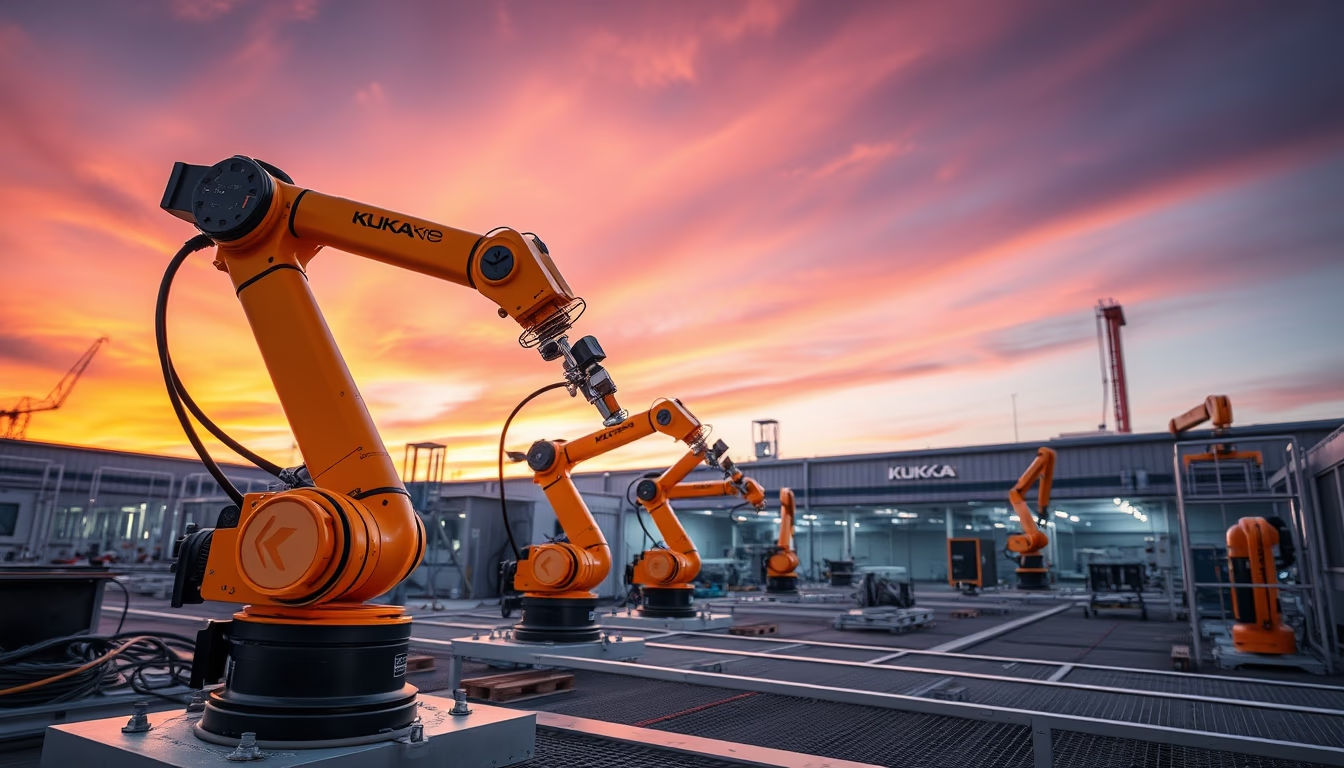
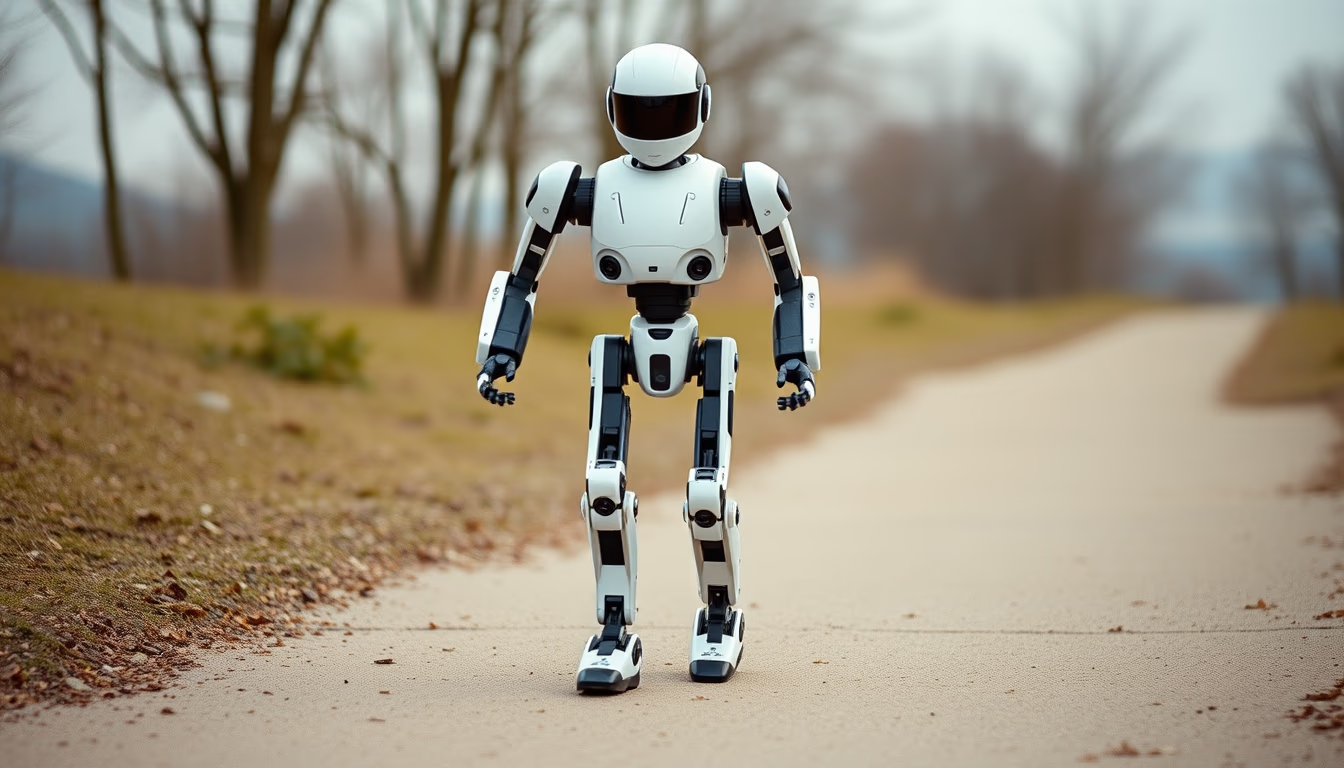
A robotic exoskeleton is an external motorized structure that adapts to the human body, enhancing physical capabilities such as strength, endurance, and movement precision. These devices can be classified as active, using motors or actuators, and passive, which store and release mechanical energy. In industry, exoskeletons are used to reduce repetitive strain and prevent injuries in lifting and assembly tasks, such as on the Ford production line. In the medical field, exoskeletons like the ReWalk and EksoGT aid in the rehabilitation of patients with spinal cord injuries, enabling them to walk again.
The development of exoskeletons began in the 1960s with General Electric's Hardiman project, which aimed to amplify the strength of soldiers and workers, but was heavy and unstable. Advances in lightweight materials, sensors, and artificial intelligence have made modern models safer and more efficient. A milestone was the FDA approval of ReWalk in 2014, making it the first exoskeleton for personal use in paraplegic patients. Today, exoskeletons are tested in sectors such as logistics, construction, and even military environments, with the HULC model being a notable example.
The adoption of exoskeletons in Brazil is still incipient but growing in rehabilitation centers like the Lucy Montoro Network and in automotive companies. The main barrier is the high cost, which can exceed 100,000 reais per unit. National research, such as that at USP and ITA, focuses on local materials and adaptive control to make the technology more affordable. The expectation is that with popularization, exoskeletons will become as common as powered wheelchairs in hospitals and factories.
Frequently Asked Questions
How does a robotic exoskeleton work?
A robotic exoskeleton works by combining sensors that detect the user's movement intention, electric or hydraulic actuators that generate torque, and control software that adjusts force output. Some models amplify natural motion, while others guide limbs through predefined patterns.
What are the main applications of exoskeletons?
The main applications are in rehabilitation for spinal cord injuries and stroke recovery, in industry to reduce fatigue and prevent repetitive strain injuries, and in logistics for heavy lifting assistance. Military use includes increasing soldiers' load-carrying capacity.
Are robotic exoskeletons available in Brazil?
Yes, exoskeletons are available in Brazil, mainly for rehabilitation. The EksoGT model is used in clinics like the Lucy Montoro Network. For industry, Ford Brazil has tested passive exoskeletons at its Camaçari plant. High costs still limit widespread use, but academic research aims at developing local solutions.
Direct URL
https://pub-c7d6a6ea828543ac903a74a341ccb2e1.r2.dev/imagens/robotic-exoskeleton-documentary-photography-p2.avifHow to credit
Include a visible link back to UtilizAí. Copy one of the snippets below:
<a href="https://xn--utiliza-eza.com/en/midia/imagens/robotic-exoskeleton-documentary-photography-p2">Robotic exoskeleton</a> by <a href="https://xn--utiliza-eza.com">UtilizAí</a>, licensed under <a href="https://creativecommons.org/licenses/by/4.0/">CC BY 4.0</a>.
[Robotic exoskeleton](https://xn--utiliza-eza.com/en/midia/imagens/robotic-exoskeleton-documentary-photography-p2) by [UtilizAí](https://xn--utiliza-eza.com), CC BY 4.0
License: CC-BY-4.0