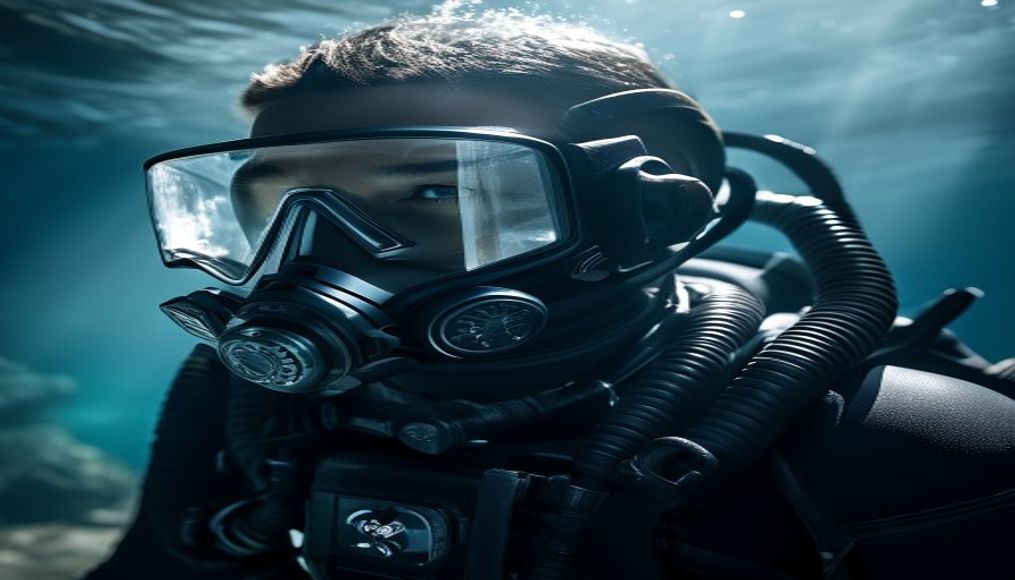
Rebreather scuba modern
1344×768 · AVIF · CC BY 4.0
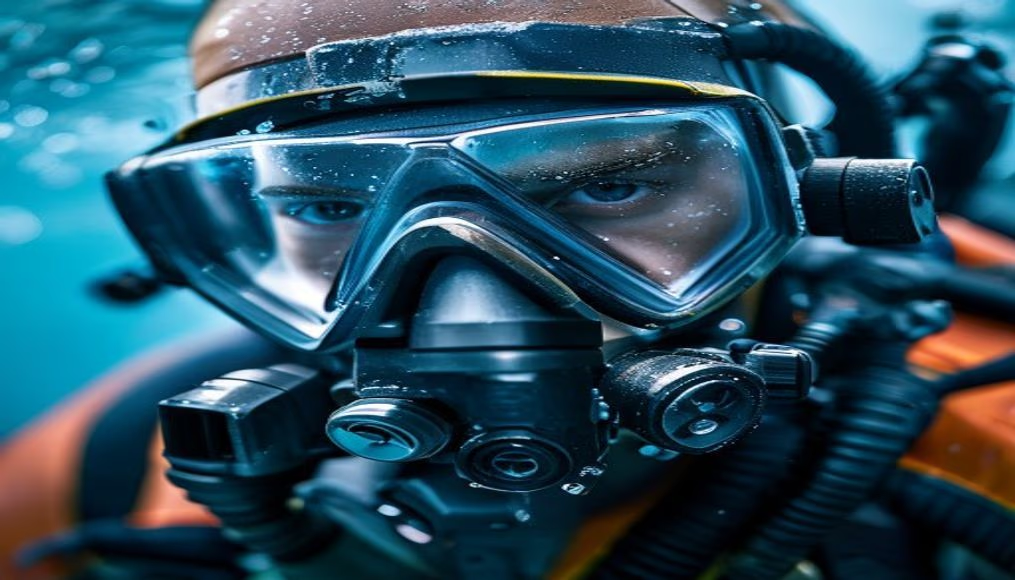
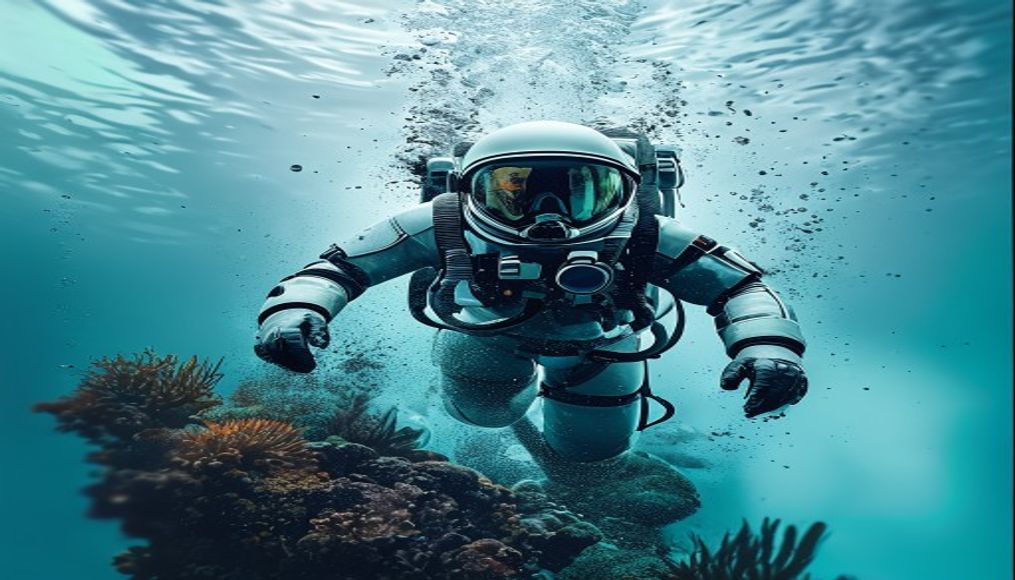
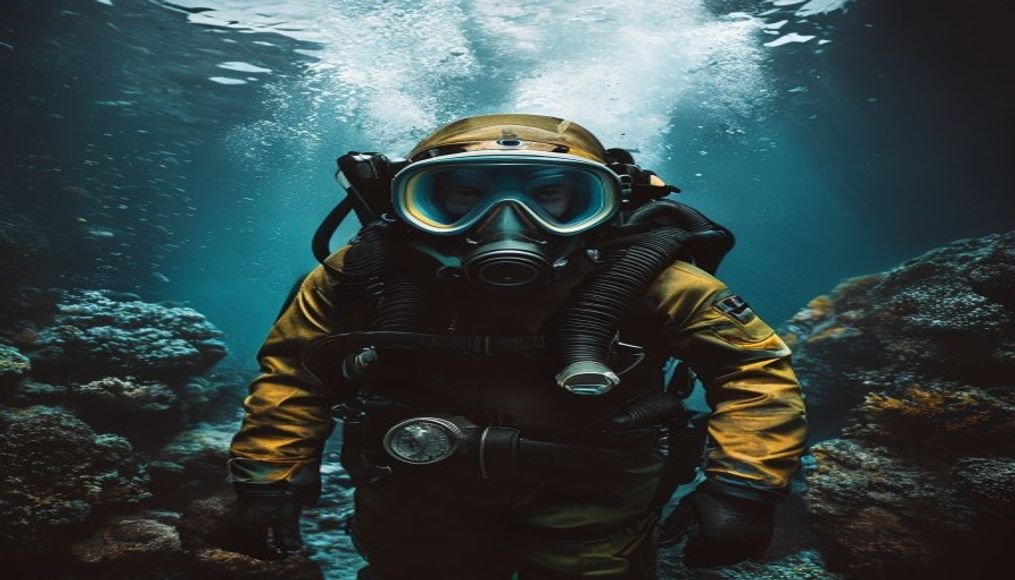
Modern rebreathers revolutionized diving by recycling breathing gas, offering greater autonomy and silence underwater.
About this subject
Rebreathers are diving devices that allow the diver to reuse breathing gas, filtering out carbon dioxide and replenishing oxygen. Unlike open-circuit scuba, where all exhaled gas is released into the water, rebreathers keep the gas in a loop, resulting in higher efficiency and lower gas consumption. This enables much longer dives with lighter cylinders and eliminates bubble noise, ideal for marine life observation and underwater photography.
The first rebreathers date back to the 19th century, but only in recent decades has the technology become accessible and reliable for recreational and technical diving. Modern models use advanced electronics to continuously monitor oxygen partial pressure, automatically adjusting oxygen addition to maintain a safe mixture. Sensors, microprocessors, and solenoid valves control the system, while lithium batteries power the electronics. There are two main types: closed-circuit rebreathers (CCR) and semi-closed rebreathers (SCR). CCRs are the most efficient, recycling 100% of the gas, but require extensive training and rigorous maintenance.
In Brazil, rebreather use has grown among technical divers and cave explorers, especially in locations such as Bonito and the Abismo Anhumas caves. Safety is a major concern: failures in oxygen monitoring can lead to hypoxia or hyperoxia, so training is lengthy and equipment features redundancy. Brands like Hollis, Poseidon, and AP Diving are global references. Modern rebreathers are also used in military and scientific operations where stealth and deep diving capability are crucial.
Ongoing evolution includes integration with dive computers, wireless data transmission, and more compact designs. A recent milestone was the development of rebreathers with valve control based on predictive algorithms, increasing safety. Although the cost remains high (US$5,000 to US$15,000), popularization is expected to increase with price reduction and material improvements.
Frequently Asked Questions
What is the main advantage of a rebreather over conventional scuba?
The main advantage is gas efficiency: a rebreather can last 4 to 6 times longer than an open-circuit cylinder on the same dive, plus it is silent, which does not scare marine life.
Are rebreathers safe for recreational divers?
Yes, but they require specific training and certification. Modern technology includes sensors and alarms that enhance safety, but the diver must understand the risks of hypoxia and hyperoxia. Proper maintenance is essential.
How much does a modern rebreather cost?
Prices range from US$5,000 to US$15,000, depending on brand and configuration. Additional costs include training (around US$1,000 to US$2,000) and periodic maintenance.
Direct URL
https://pub-c7d6a6ea828543ac903a74a341ccb2e1.r2.dev/imagens/rebreather-scuba-modern-macro-closeup-p1.avifHow to credit
Include a visible link back to UtilizAí. Copy one of the snippets below:
<a href="https://xn--utiliza-eza.com/en/midia/imagens/rebreather-scuba-modern-macro-closeup-p1">Rebreather scuba modern</a> by <a href="https://xn--utiliza-eza.com">UtilizAí</a>, licensed under <a href="https://creativecommons.org/licenses/by/4.0/">CC BY 4.0</a>.
[Rebreather scuba modern](https://xn--utiliza-eza.com/en/midia/imagens/rebreather-scuba-modern-macro-closeup-p1) by [UtilizAí](https://xn--utiliza-eza.com), CC BY 4.0
License: CC-BY-4.0