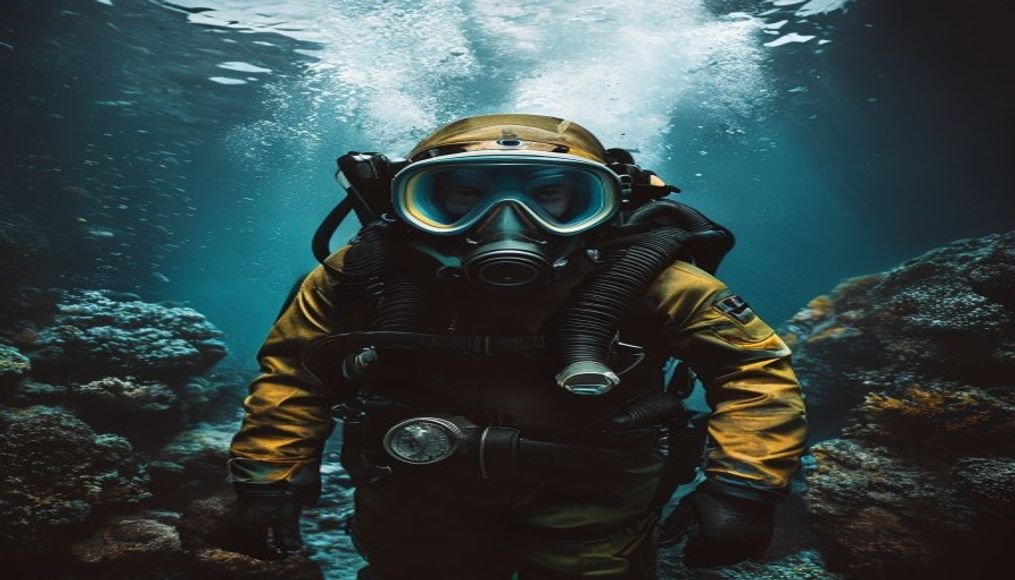
Rebreather scuba modern
1344×768 · AVIF · CC BY 4.0
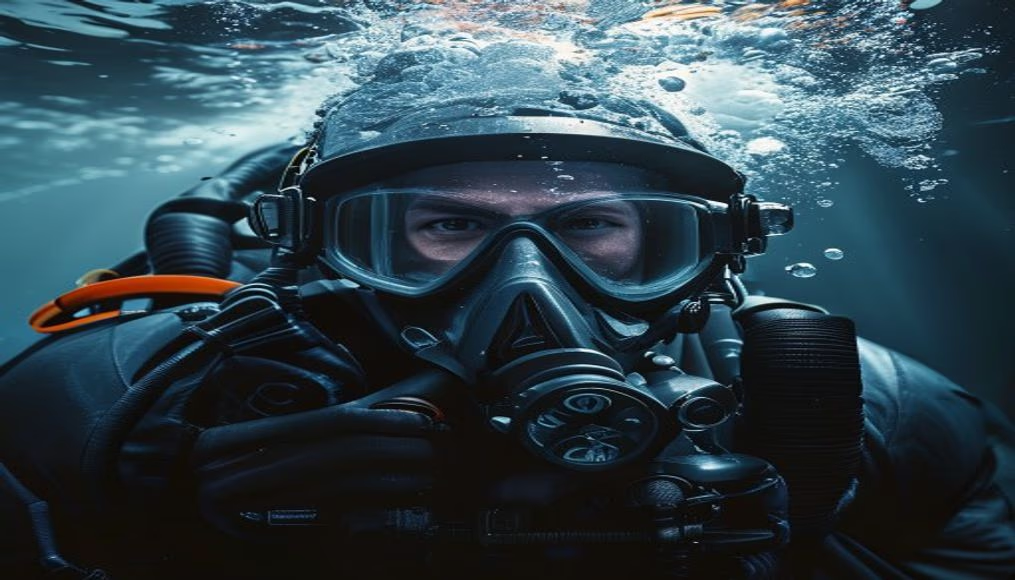
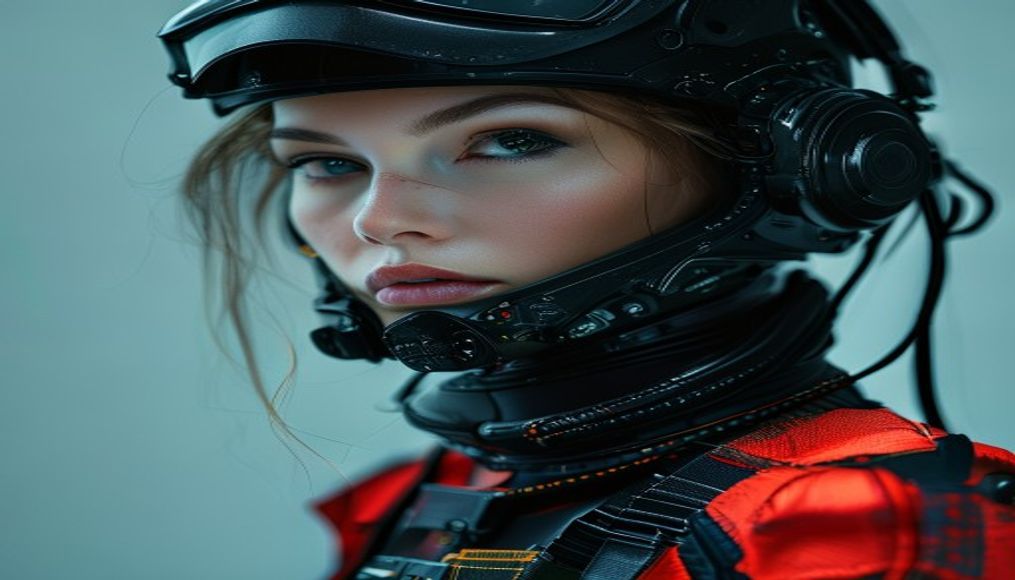
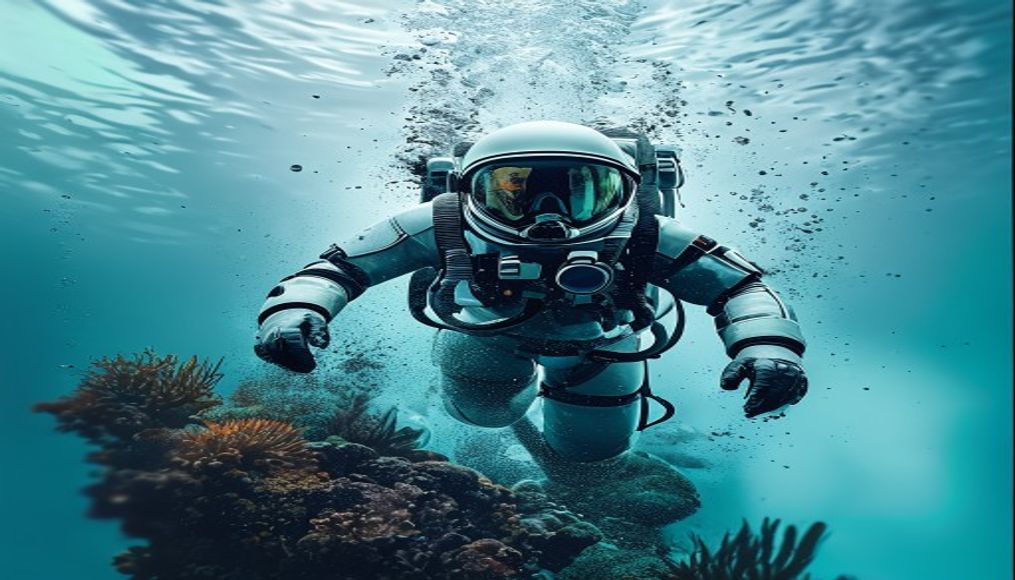
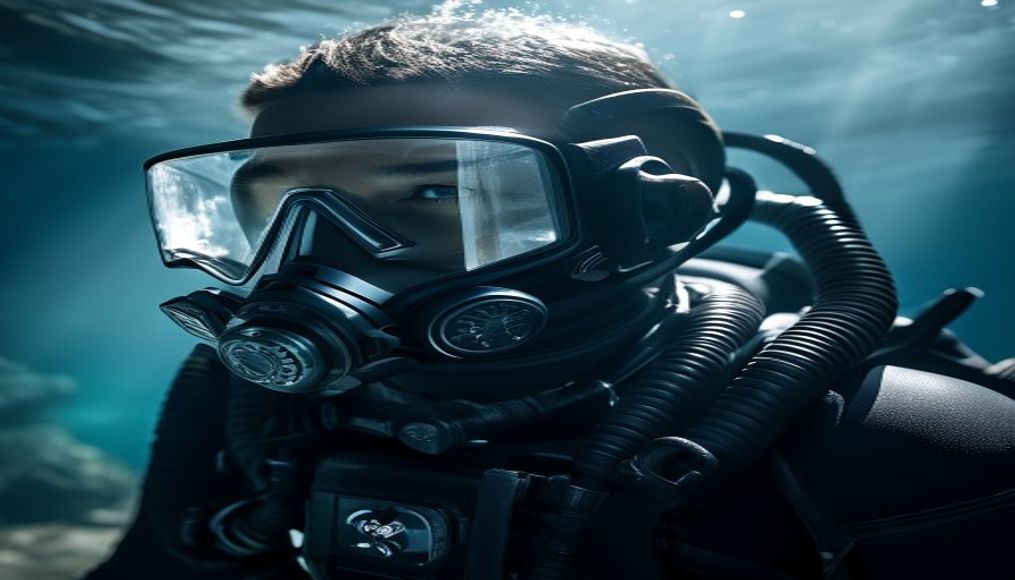
The modern rebreather recirculates exhaled air, removing CO₂ and adding oxygen, enabling longer and quieter dives at great depths.
About this subject
The rebreather is a diving device that recycles breathing gas, unlike traditional open-circuit systems that release bubbles. Instead of expelling all exhaled air into the water, the rebreather filters carbon dioxide through a chemical absorbent (such as soda lime) and replenishes consumed oxygen. This allows the diver to stay submerged for hours with minimal gas consumption and without the characteristic bubble noise, making it ideal for marine life observation and underwater photography.
Early rebreathers were developed in the 19th century for mine rescue, but it was during World War II that militaries refined them for covert operations. The modern model, popularized from the 1990s, integrates electronic sensors that continuously monitor the partial pressure of oxygen, automatically adjusting the mix to avoid hypoxia or toxicity. Systems like the JJ-CCR (closed circuit) or the AP Diving Evolution use microprocessors to control dosage, making diving safer.
Technically, the rebreather requires specialized training due to handling complexity and risks, such as CO₂ absorbent failure or oxygen calibration error. However, for cave, wreck, and deep-sea exploration, it is irreplaceable: it provides autonomy of 6 to 12 hours, depending on depth, and reduces cylinder weight. Brands like Poseidon, rEvo, and Megalodon are benchmarks in the segment.
In Brazil, rebreather use is growing among technical divers and photographers, especially in regions like Fernando de Noronha and Abrolhos, where observing animals such as manta rays and whale sharks requires discretion. Fine art underwater photography benefits from the absence of bubbles, which could scare animals or cloud the image. The modern rebreather thus combines precision engineering with respect for the marine environment.
Frequently Asked Questions
What is the difference between a rebreather and conventional scuba?
Conventional scuba (open circuit) releases exhaled air as bubbles. A rebreather (closed circuit) recycles the air: CO₂ is removed and oxygen replenished, allowing longer, quieter dives.
How long can a rebreather dive last?
It depends on depth and model, but typically 4 to 12 hours. A 3-liter oxygen cylinder can last up to 6 hours at 20 meters.
Is a rebreather dangerous?
Yes, it requires specialized training. Main risks are CO₂ absorbent failure (hypercapnia) and oxygen imbalance (hypoxia or toxicity). Rigorous maintenance and electronic monitors minimize these dangers.
Direct URL
https://pub-c7d6a6ea828543ac903a74a341ccb2e1.r2.dev/imagens/rebreather-scuba-modern-fine-art-photography-p3.avifHow to credit
Include a visible link back to UtilizAí. Copy one of the snippets below:
<a href="https://xn--utiliza-eza.com/en/midia/imagens/rebreather-scuba-modern-fine-art-photography-p3">Rebreather scuba modern</a> by <a href="https://xn--utiliza-eza.com">UtilizAí</a>, licensed under <a href="https://creativecommons.org/licenses/by/4.0/">CC BY 4.0</a>.
[Rebreather scuba modern](https://xn--utiliza-eza.com/en/midia/imagens/rebreather-scuba-modern-fine-art-photography-p3) by [UtilizAí](https://xn--utiliza-eza.com), CC BY 4.0
License: CC-BY-4.0