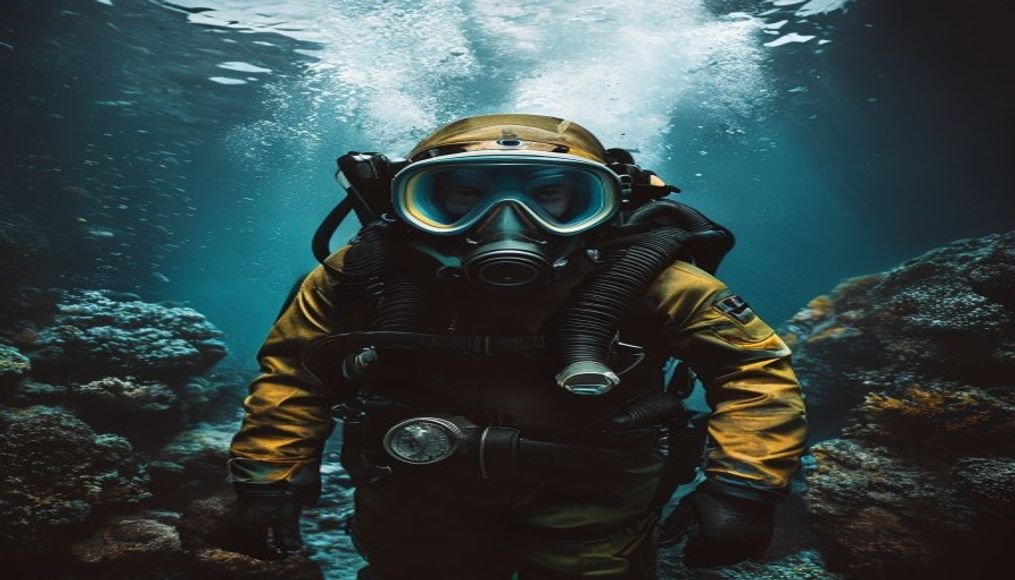
Rebreather scuba modern
1344×768 · AVIF · CC BY 4.0
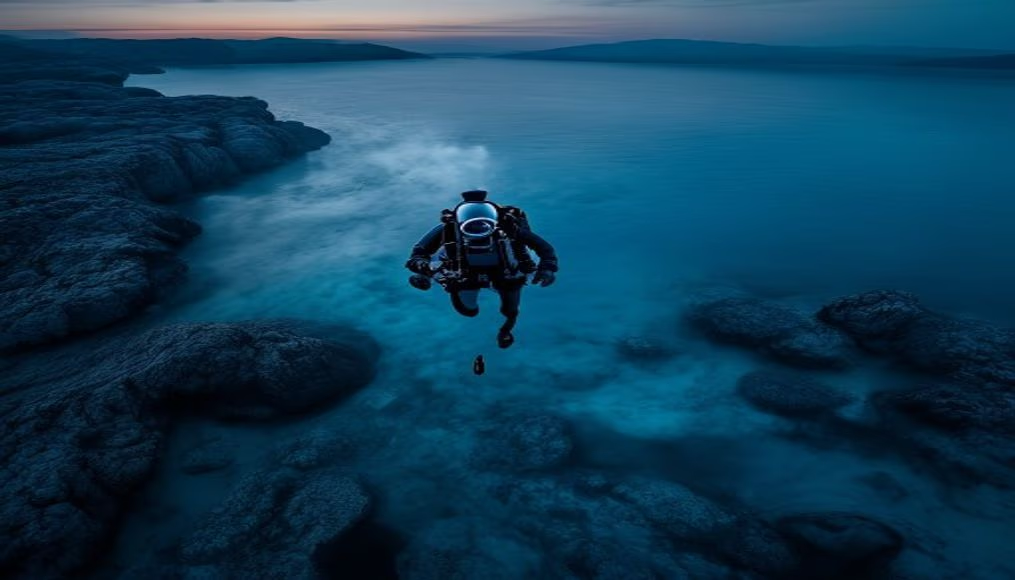
Discover how a modern scuba rebreather works, recycling exhaled air for longer, quieter dives.
About this subject
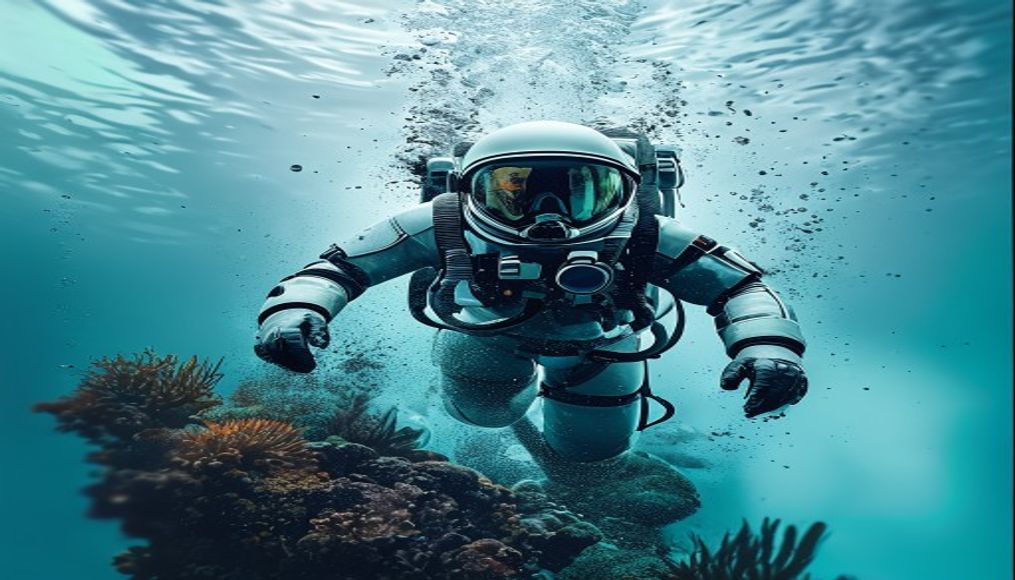
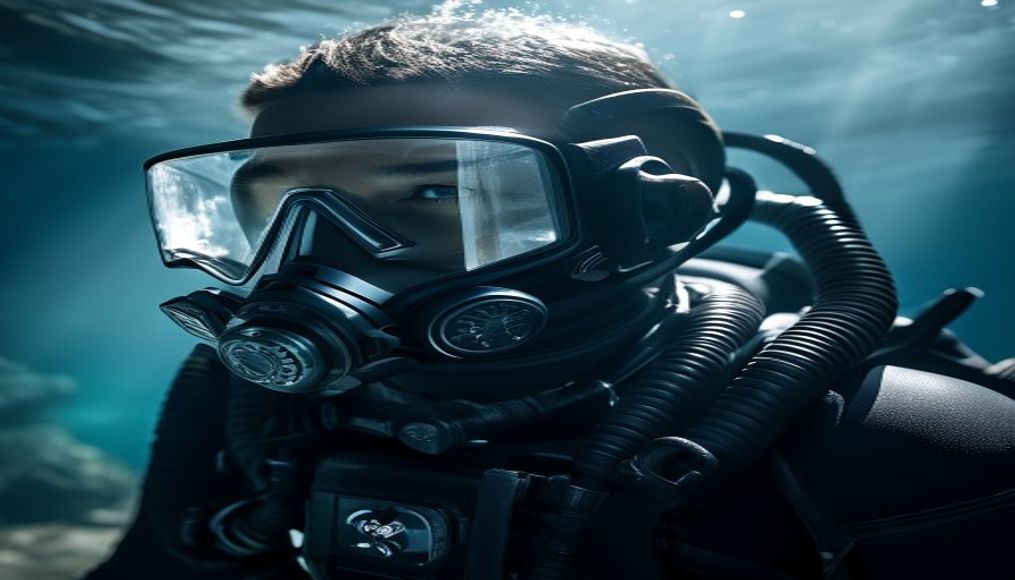
The modern scuba rebreather represents a technological leap in autonomous diving. Unlike traditional open-circuit systems, which release bubbles with each exhalation, the rebreather recycles exhaled air, removing carbon dioxide and replenishing consumed oxygen. This closed or semi-closed circuit allows the diver to remain submerged for hours with minimal gas consumption, and without the bubble noise that scares marine life.
Originally developed for military and rescue operations, the modern rebreather incorporates electronic sensors that continuously monitor oxygen levels, automatically adjusting the breathing mixture. This drastically reduces risks of nitrogen narcosis and decompression sickness, and eliminates mandatory decompression stops common in recreational diving. Advanced models like the JJ-CCR and Poseidon MKVI feature redundant sensors and fail-safe systems.
In Brazil, rebreather use is still limited to technical and military divers due to high cost and specialized training requirements. However, more affordable models like the rEvo and KISS have expanded access for underwater photographers and researchers. The ability to stay immersed for long periods without disturbing the environment makes the rebreather ideal for documenting marine life, submerged archaeological studies, and cave exploration.
Rebreather maintenance is rigorous: each dive requires detailed checks of CO₂ absorbers, seals, and electronic components. Failures can be fatal, so certification demands hundreds of training hours. Nevertheless, technological advances, long-life batteries, integrated decompression algorithms, make the rebreather increasingly reliable and common in global technical diving.
Frequently Asked Questions
What is the main advantage of using a rebreather in deep dives?
The main advantage is extended autonomy and bubble-free operation, allowing longer, quieter dives ideal for marine life observation and military operations.
Is the modern rebreather safe for recreational divers?
Although simplified models exist, the rebreather requires advanced technical training and rigorous maintenance. It is not recommended for beginners and is classified as technical diving equipment.
How much does a modern scuba rebreather cost in Brazil?
Prices range from R$ 30,000 to R$ 80,000 for complete units, plus maintenance and CO₂ absorber costs. Training can add another R$ 10,000.
Direct URL
https://pub-c7d6a6ea828543ac903a74a341ccb2e1.r2.dev/imagens/rebreather-scuba-modern-aerial-drone-shot-p0.avifHow to credit
Include a visible link back to UtilizAí. Copy one of the snippets below:
<a href="https://xn--utiliza-eza.com/en/midia/imagens/rebreather-scuba-modern-aerial-drone-shot-p0">Rebreather scuba modern</a> by <a href="https://xn--utiliza-eza.com">UtilizAí</a>, licensed under <a href="https://creativecommons.org/licenses/by/4.0/">CC BY 4.0</a>.
[Rebreather scuba modern](https://xn--utiliza-eza.com/en/midia/imagens/rebreather-scuba-modern-aerial-drone-shot-p0) by [UtilizAí](https://xn--utiliza-eza.com), CC BY 4.0
License: CC-BY-4.0