Pick and place robot
1344×768 · AVIF · CC BY 4.0
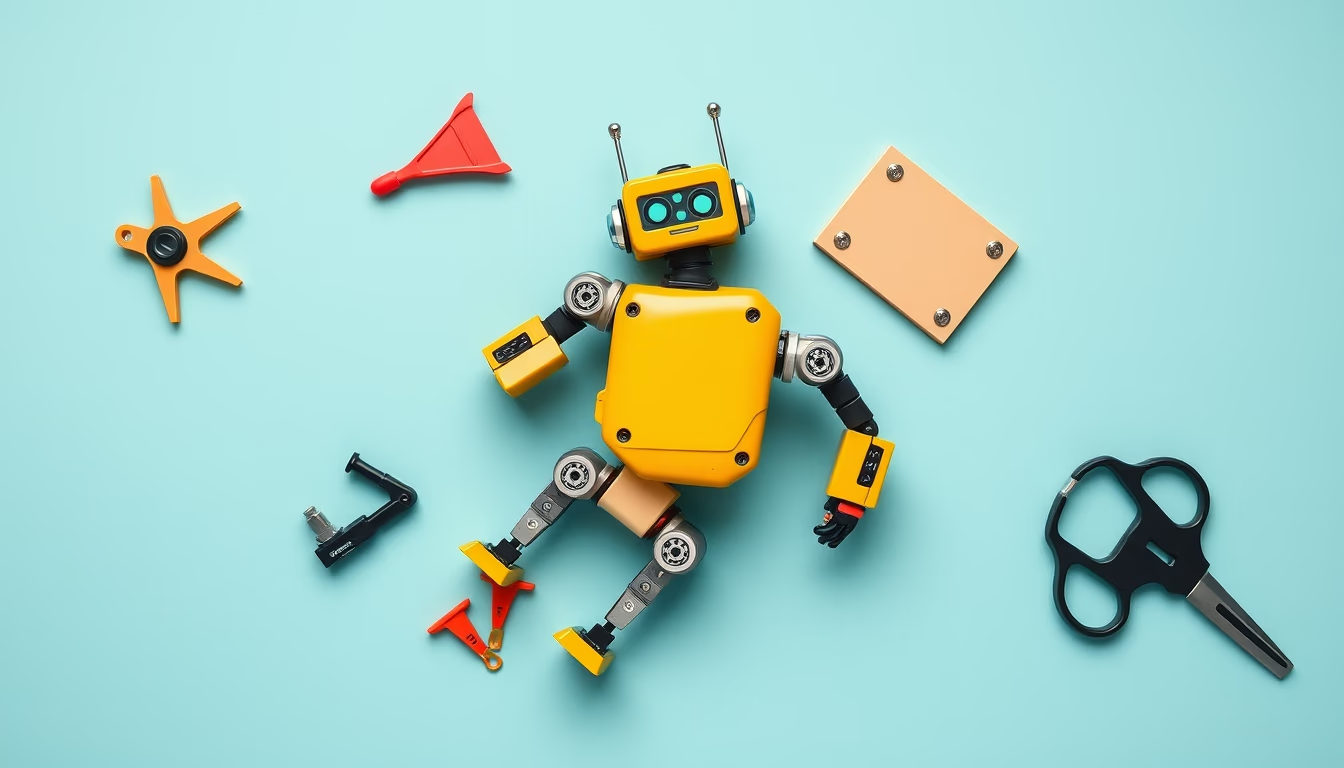
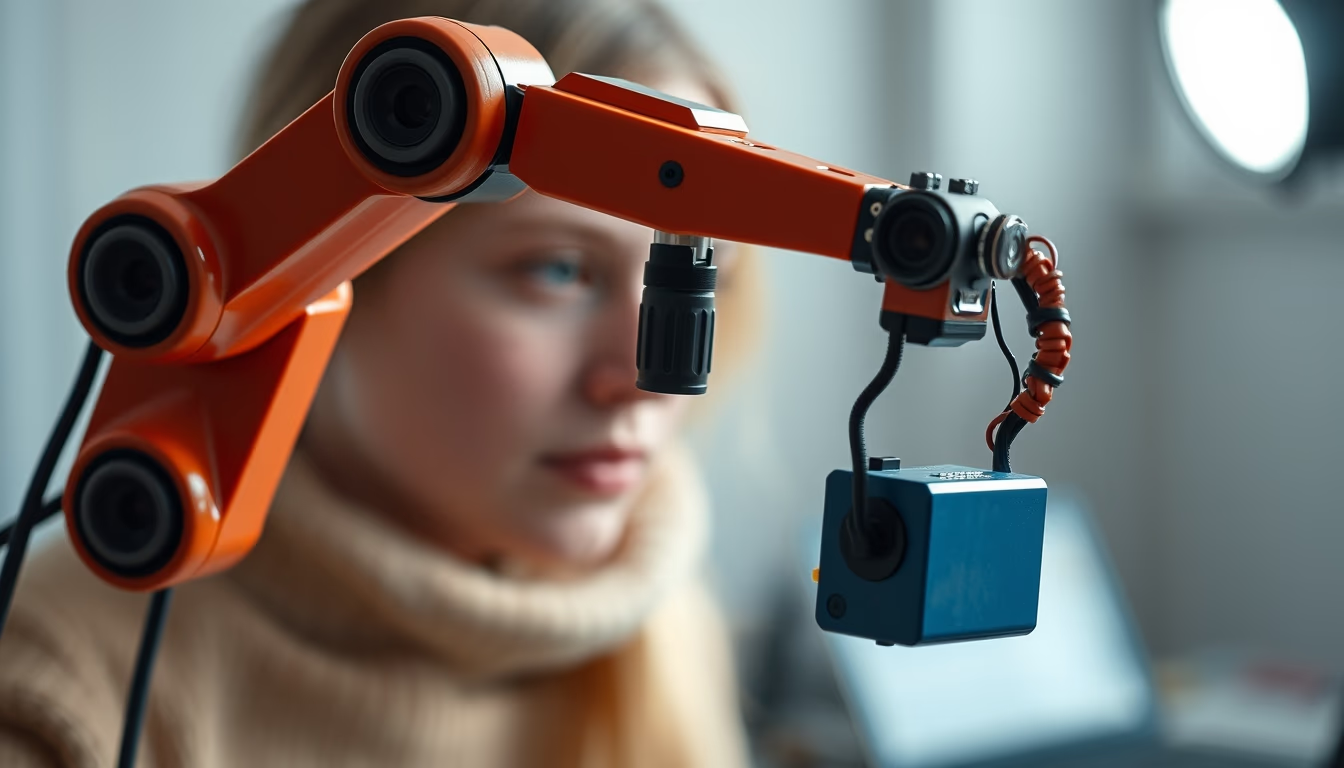
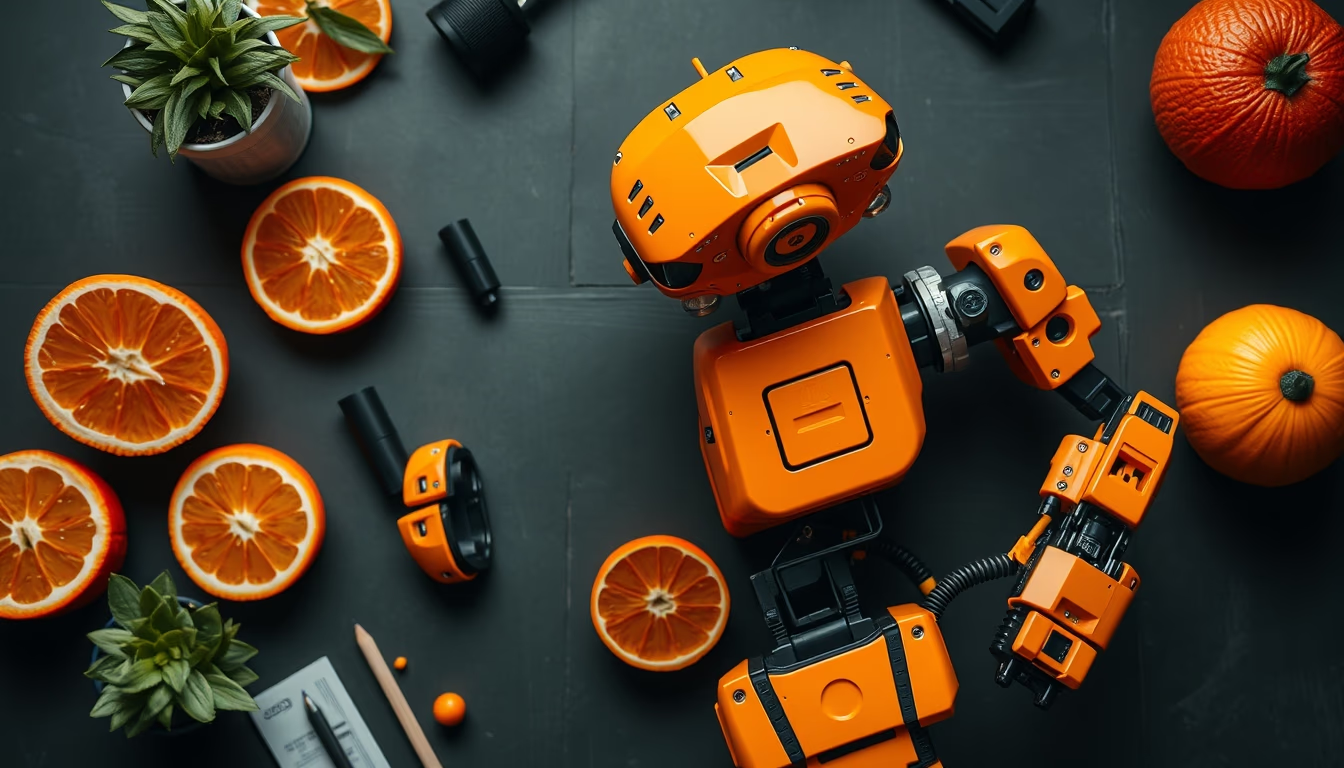
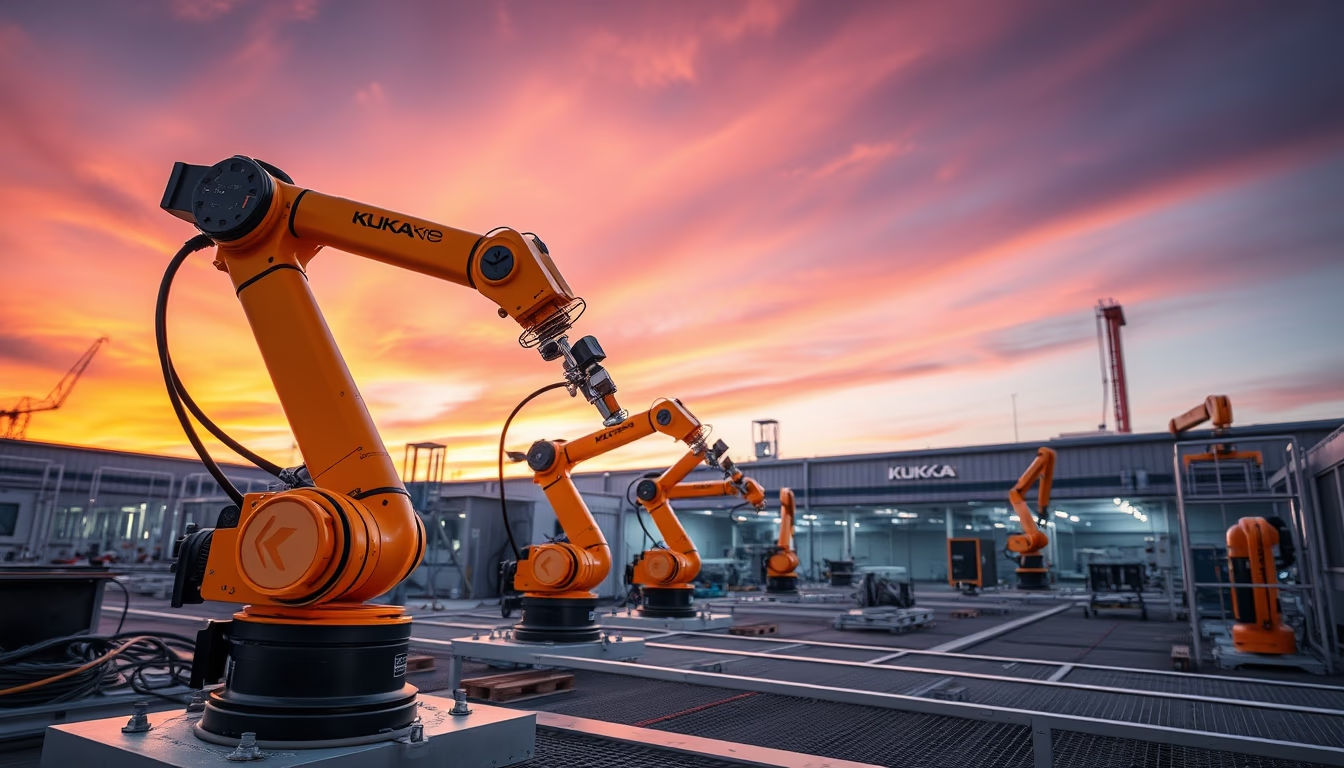
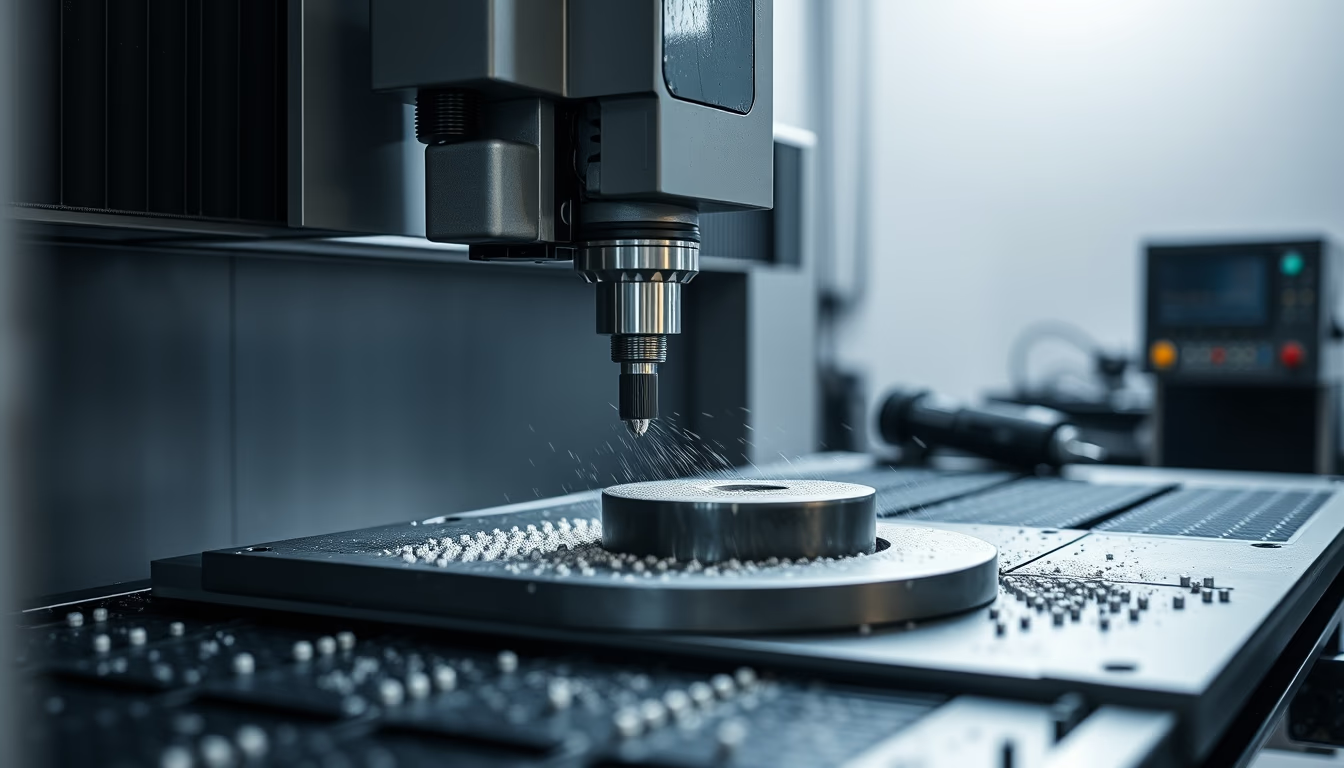
Pick and place robots automate object handling with precision and speed in modern industry.
About this subject
Pick and place robots are robotic systems designed to pick objects from one location and place them in another, a fundamental task in production lines and logistics. These robots can be Cartesian, SCARA, or articulated, each suited to different applications. In electronics manufacturing, for example, they assemble printed circuit boards, positioning microscopic components with millimeter accuracy.
Speed is a crucial differentiator: a modern pick and place robot can perform up to 150 cycles per minute, depending on weight and distance. Machine vision and machine learning algorithms enable these robots to identify and handle objects of varying shapes, even on moving conveyor belts. Integration with conveyor systems is common, creating flexible manufacturing cells.
Culturally, pick and place automation has reduced costs and human error but also sparked debates about job displacement. Countries like China, Germany, and the United States lead adoption, with the global industrial robotics market projected to grow 10% annually through 2028. In Brazil, sectors such as automotive and food use these robots to boost productivity.
A technical curiosity: the first industrial pick and place robot was the Unimate, installed at General Motors in 1961, weighing two tons. Today, collaborative and lightweight versions, such as cobots, allow operation alongside humans without safety cages, thanks to torque sensors and automatic stops.
Frequently Asked Questions
What is the difference between a pick and place robot and an articulated robot?
Pick and place is a function, not a specific type. Articulated robots (with rotary joints) are often used for pick and place, but Cartesian and SCARA robots also perform this task.
Which industries most commonly use pick and place robots?
Electronics, automotive, pharmaceuticals, food and beverage, and logistics are the main sectors due to the need for high precision and repeatability.
Can a pick and place robot work alongside humans?
Yes, collaborative models (cobots) with force sensors and automatic stops are designed to operate without safety cages, provided speed and weight limits are respected.
Direct URL
https://pub-c7d6a6ea828543ac903a74a341ccb2e1.r2.dev/imagens/pick-and-place-robot-isometric-flat-lay-p9.avifHow to credit
Include a visible link back to UtilizAí. Copy one of the snippets below:
<a href="https://xn--utiliza-eza.com/en/midia/imagens/pick-and-place-robot-isometric-flat-lay-p9">Pick and place robot</a> by <a href="https://xn--utiliza-eza.com">UtilizAí</a>, licensed under <a href="https://creativecommons.org/licenses/by/4.0/">CC BY 4.0</a>.
[Pick and place robot](https://xn--utiliza-eza.com/en/midia/imagens/pick-and-place-robot-isometric-flat-lay-p9) by [UtilizAí](https://xn--utiliza-eza.com), CC BY 4.0
License: CC-BY-4.0