Paper texture cream
1344×768 · AVIF · CC BY 4.0

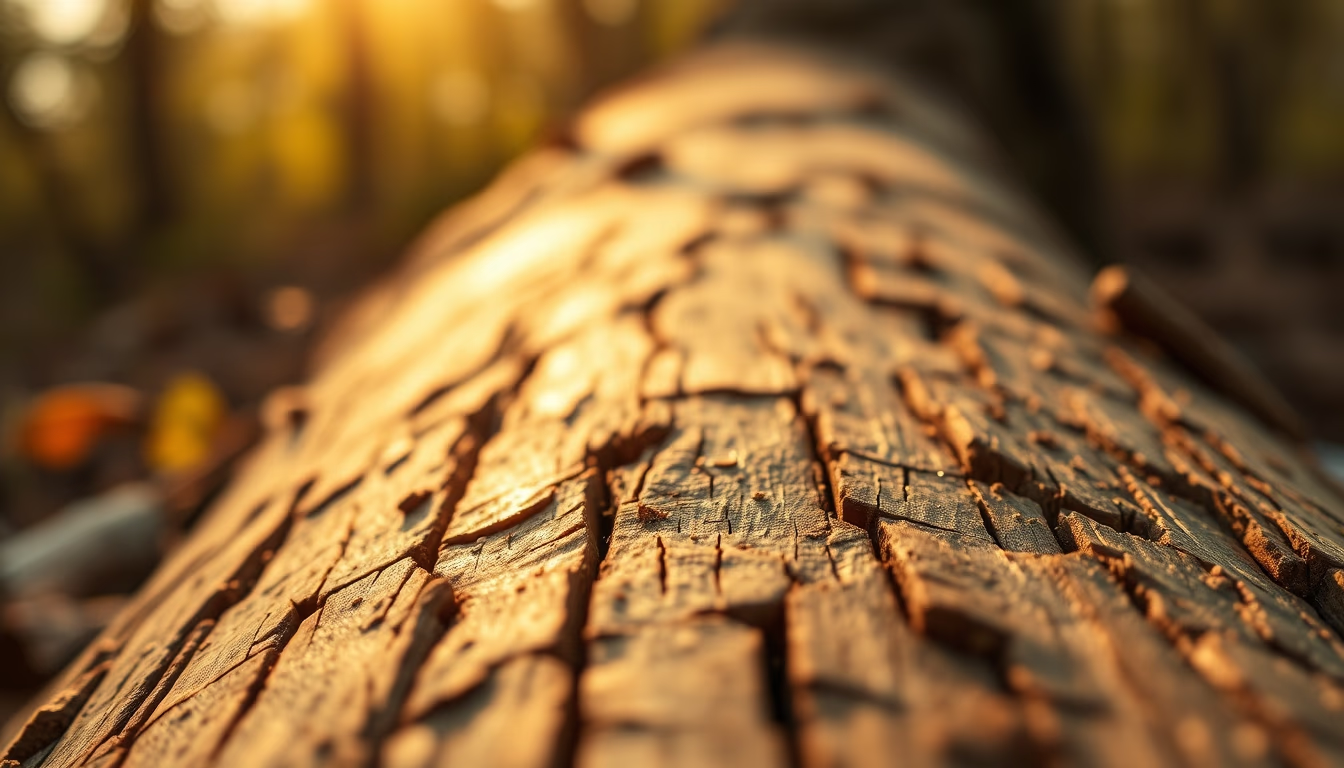
A cream-toned paper texture, captured with a lo-fi disposable camera aesthetic, reveals natural fibers and subtle nuances of the material.
About this subject
Cream paper texture is a versatile element used in graphic design, photography, and digital art. The cream tone, between white and beige, conveys warmth and a vintage feel, commonly found in watercolor paper, drawing pads, and handmade prints. Unlike pure white, cream paper reduces light glare, making reading more comfortable, which is why it is often chosen for special edition books and historical documents.
Handmade paper, often produced with cotton or linen fibers, shows natural texture variations that can be enhanced by capture techniques such as using disposable cameras. These cameras, with simple lenses and low-resolution film, produce grain and blur that emphasize surface irregularities, creating an organic and nostalgic effect. This lo-fi style is valued by designers seeking an analog and authentic look for contemporary projects.
Cream paper texture is also widely used in mockups for presenting graphic projects, such as business cards, invitations, and packaging. The lo-fi aesthetic, in turn, recalls the 1990s and early digital photography, a growing trend on social media platforms. Combining the softness of cream paper with the grain of a disposable camera results in images that evoke memory and materiality.
Frequently Asked Questions
What is cream paper texture used for in design?
Cream paper texture is used as a background in mockups, digital compositions, and prints, giving a sophisticated and natural look. It is also applied in stationery, invitations, and book covers to create a tactile and cozy feel.
What is the difference between white paper and cream paper?
Cream paper has a slightly yellowish or beige tone, while white is pure. Cream paper is less reflective, reduces eye strain, and is preferred for long reading sessions. It also conveys a more organic and vintage appearance.
Why does the lo-fi disposable camera aesthetic enhance textures?
Disposable cameras produce grain, blur, and vignetting due to simple lenses and low-resolution film. This style emphasizes imperfections and surface details, highlighting the fibers and reliefs of the paper, resulting in a more tactile and nostalgic image.
Direct URL
https://pub-c7d6a6ea828543ac903a74a341ccb2e1.r2.dev/imagens/paper-texture-cream-lo-fi-disposable-camera-p0.avifHow to credit
Include a visible link back to UtilizAí. Copy one of the snippets below:
<a href="https://xn--utiliza-eza.com/en/midia/imagens/paper-texture-cream-lo-fi-disposable-camera-p0">Paper texture cream</a> by <a href="https://xn--utiliza-eza.com">UtilizAí</a>, licensed under <a href="https://creativecommons.org/licenses/by/4.0/">CC BY 4.0</a>.
[Paper texture cream](https://xn--utiliza-eza.com/en/midia/imagens/paper-texture-cream-lo-fi-disposable-camera-p0) by [UtilizAí](https://xn--utiliza-eza.com), CC BY 4.0
License: CC-BY-4.0