Paper texture cream
1344×768 · AVIF · CC BY 4.0

The cream paper texture is a versatile and timeless background used in graphic arts, photography and editorial design.
About this subject
Cream paper texture is one of the most commonly used backgrounds in design projects, product photography and graphic arts. Unlike pure white paper, the cream tone offers a visual warmth reminiscent of old documents, classic books and handmade materials. This coloration is achieved during manufacturing when the pulp does not undergo intense chemical bleaching, preserving lignin and giving a more natural and inviting look.
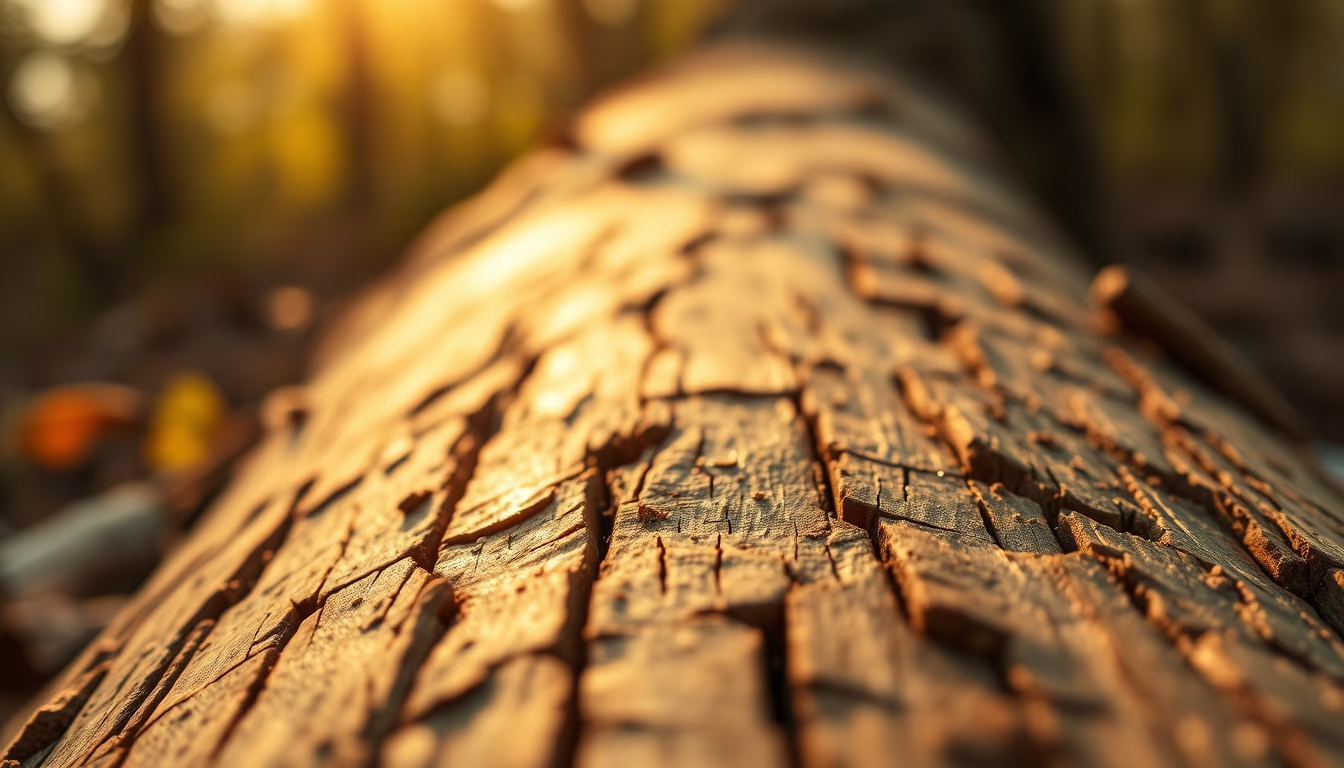
There are several types of paper texture, such as smooth (used in high-definition photo prints), textured (like laid paper with felt marks) and rough (common in watercolor paper). Cream texture, in particular, is highly appreciated by designers because it doesn't cause glare and enhances dark colors and earthy tones. In macro photography, details like fibers, embossing and small imperfections of the paper become evident, creating abstract and organic compositions.
Historically, cream paper was the standard for official documents and manuscripts for centuries, as the absence of harsh bleaches ensured greater durability. Renowned artworks, such as J.M.W. Turner's watercolors, were made on cream-toned papers. Today, cream paper is widely used in invitations, packaging and letterheads, as well as serving as a background for product and food photography, giving a vintage and sophisticated feel.
Curiously, the perception of texture changes with lighting. Under raking light, surface irregularities stand out; under diffused light, cream paper appears almost smooth. This feature is exploited by still life and object documentation photographers to create depth and atmosphere.
Frequently Asked Questions
Why is cream paper preferred for art prints?
Cream paper is preferred because it does not glare, enhances dark colors and provides a classic, timeless look, and is more durable due to the lack of harsh bleaches.
What is the difference between smooth and textured paper?
Smooth texture is uniform and ideal for detailed images, while textured (like laid or rough) has raised areas that absorb ink unevenly, giving a handmade effect.
How does lighting affect the appearance of cream paper texture?
With raking light, fibers and imperfections become evident; with diffused light, the texture appears softer. This allows creative control in macro photography.
Direct URL
https://pub-c7d6a6ea828543ac903a74a341ccb2e1.r2.dev/imagens/paper-texture-cream-documentary-photography-p1.avifHow to credit
Include a visible link back to UtilizAí. Copy one of the snippets below:
<a href="https://xn--utiliza-eza.com/en/midia/imagens/paper-texture-cream-documentary-photography-p1">Paper texture cream</a> by <a href="https://xn--utiliza-eza.com">UtilizAí</a>, licensed under <a href="https://creativecommons.org/licenses/by/4.0/">CC BY 4.0</a>.
[Paper texture cream](https://xn--utiliza-eza.com/en/midia/imagens/paper-texture-cream-documentary-photography-p1) by [UtilizAí](https://xn--utiliza-eza.com), CC BY 4.0
License: CC-BY-4.0