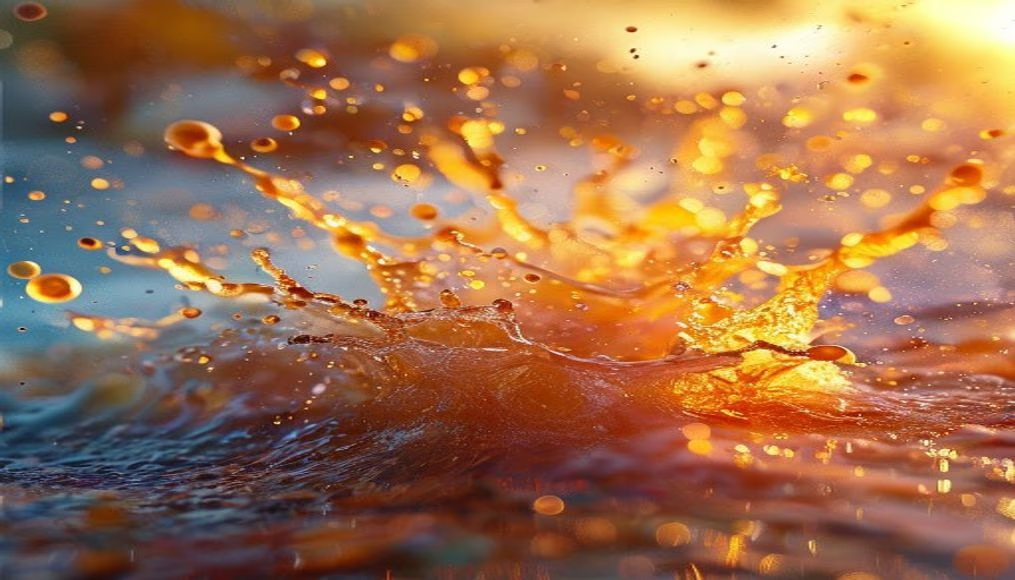
Paint splash water
1344×768 · AVIF · CC BY 4.0
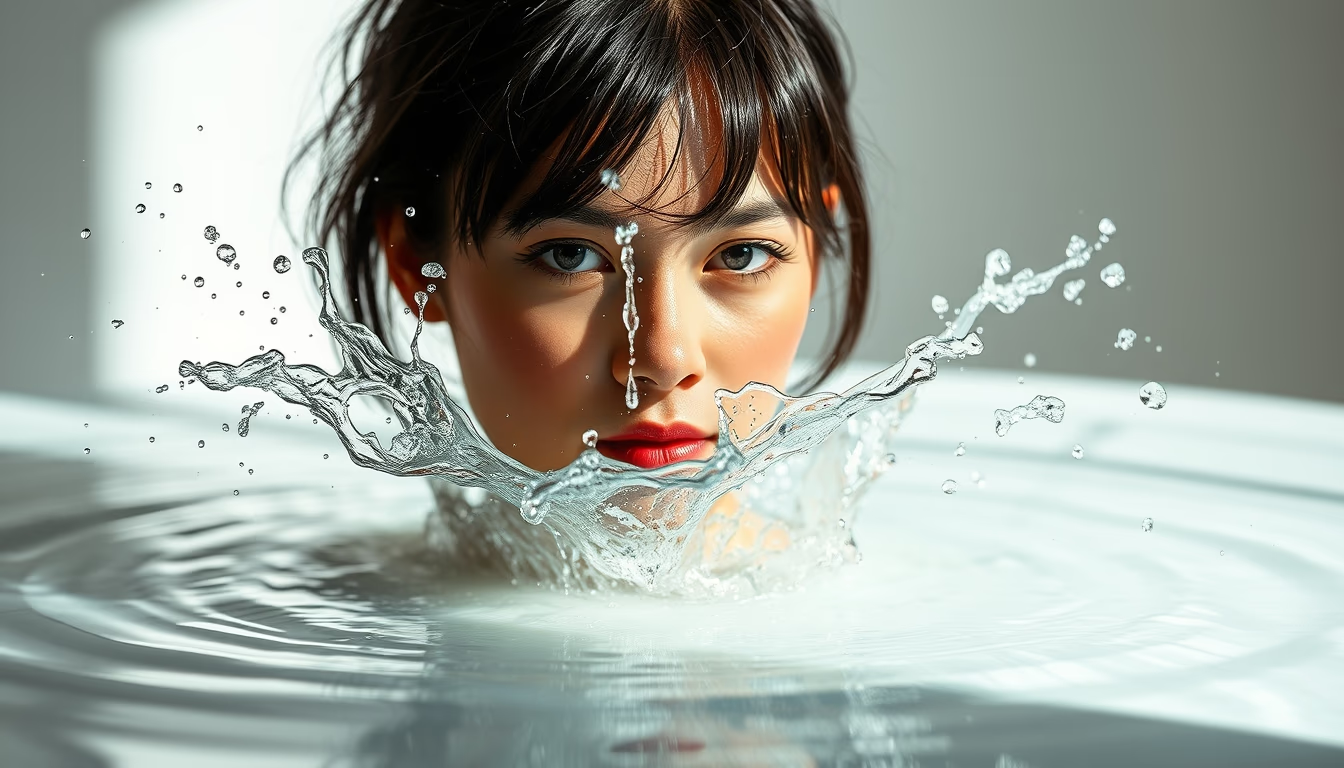
Paint splashes in water create organic and ephemeral shapes, combining art and physics into minimalist compositions with strong visual impact.
About this subject
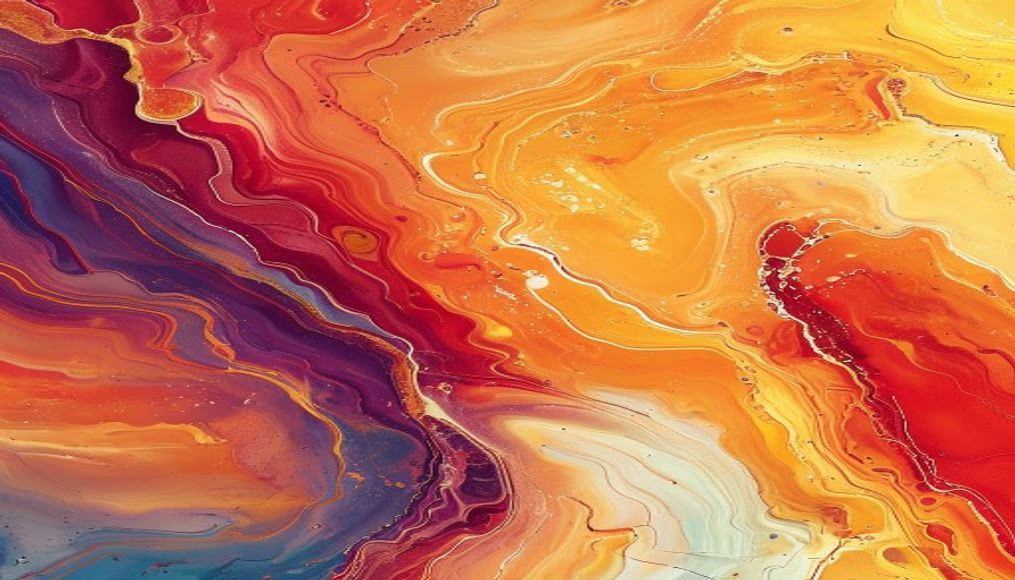
The phenomenon of paint dispersing in water is a classic subject in high-speed photography, popularized by artists like Markus Reugels. The technique captures the exact moment when colored paint drops collide with the liquid surface, creating shapes that resemble mushrooms, crowns, or clouds. This process is governed by fluid dynamics principles such as surface tension and viscosity, which determine the spreading pattern.
To capture these images, cameras with ultra-fast shutters, sound triggers, and syringes to release the paint are used. Lighting is crucial: short-duration flashes freeze the motion, revealing details invisible to the naked eye. The vibrant colors of acrylic or watercolor paints contrast with dark backgrounds, creating minimalist compositions that emphasize abstraction.
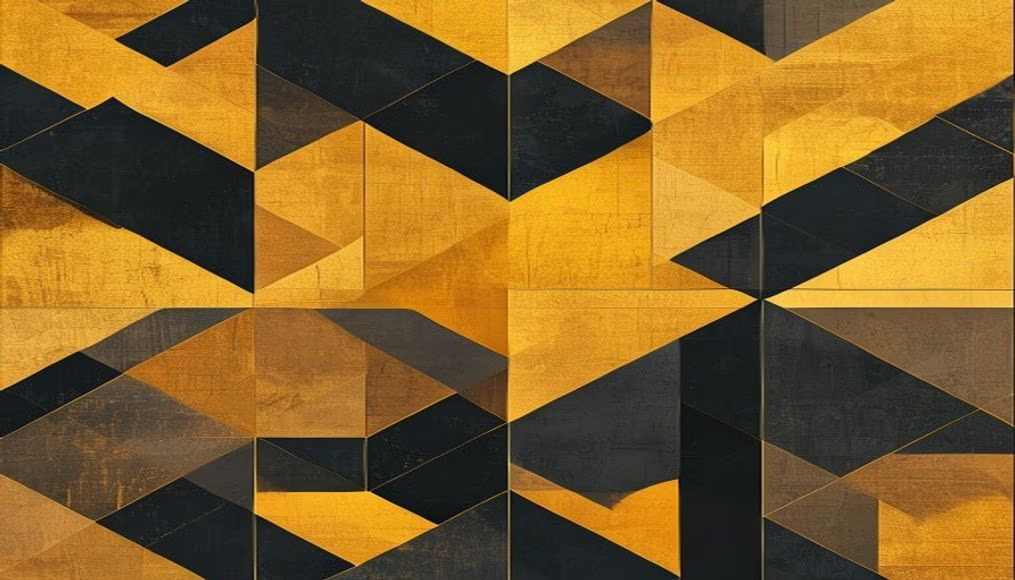
In contemporary art and design, these images are employed as abstract textures for album covers, posters, and digital wallpapers. The 2026 minimalist trend favors organic and fluid shapes, making paint splash water a recurring motif in digital art collections. Beyond aesthetics, the science behind the effect inspires educators to demonstrate physics concepts in a playful way.
Interestingly, the exact shape of the splash depends on various factors: drop height, droplet diameter, water temperature, and paint type. Small variations yield completely different results, ensuring each capture is unique. This unpredictable nature is what makes the technique so fascinating for both artists and scientists.
Frequently Asked Questions
How is paint splash photography done?
It uses a high-speed camera, sound or light triggers, and a syringe to release paint drops into a water tank. Synchronized flashes freeze the motion.
Why are the shapes so varied?
Paint viscosity, water surface tension, drop height, and water temperature all influence the splash pattern. Small changes yield different results.
What are the applications of such images?
They are used in graphic design for abstract backgrounds, album covers, digital art, and physics education to demonstrate fluid dynamics concepts.
Direct URL
https://pub-c7d6a6ea828543ac903a74a341ccb2e1.r2.dev/imagens/paint-splash-water-minimalist-composition-p2.avifHow to credit
Include a visible link back to UtilizAí. Copy one of the snippets below:
<a href="https://xn--utiliza-eza.com/en/midia/imagens/paint-splash-water-minimalist-composition-p2">Paint splash water</a> by <a href="https://xn--utiliza-eza.com">UtilizAí</a>, licensed under <a href="https://creativecommons.org/licenses/by/4.0/">CC BY 4.0</a>.
[Paint splash water](https://xn--utiliza-eza.com/en/midia/imagens/paint-splash-water-minimalist-composition-p2) by [UtilizAí](https://xn--utiliza-eza.com), CC BY 4.0
License: CC-BY-4.0