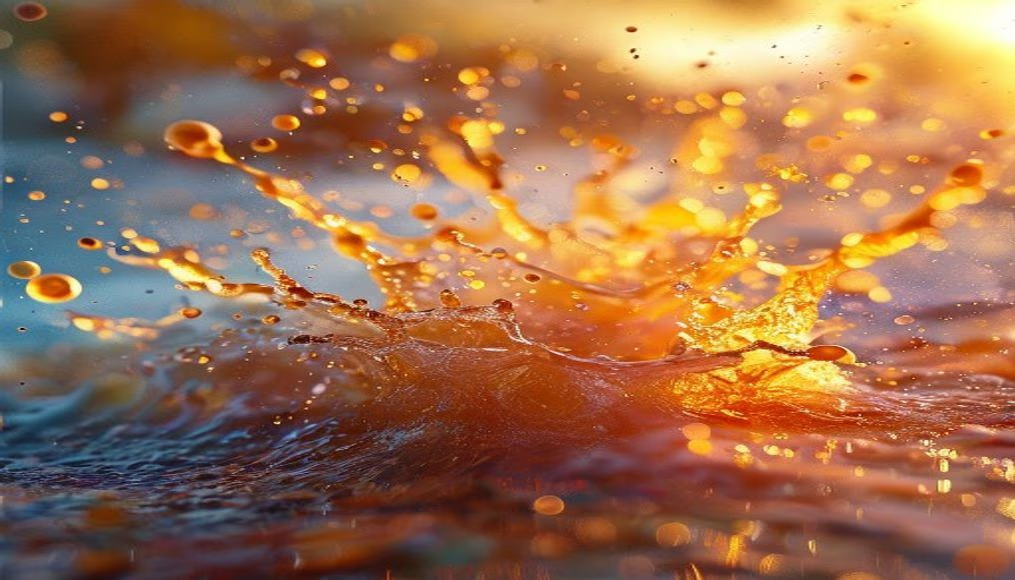
Paint splash water
1344×768 · AVIF · CC BY 4.0
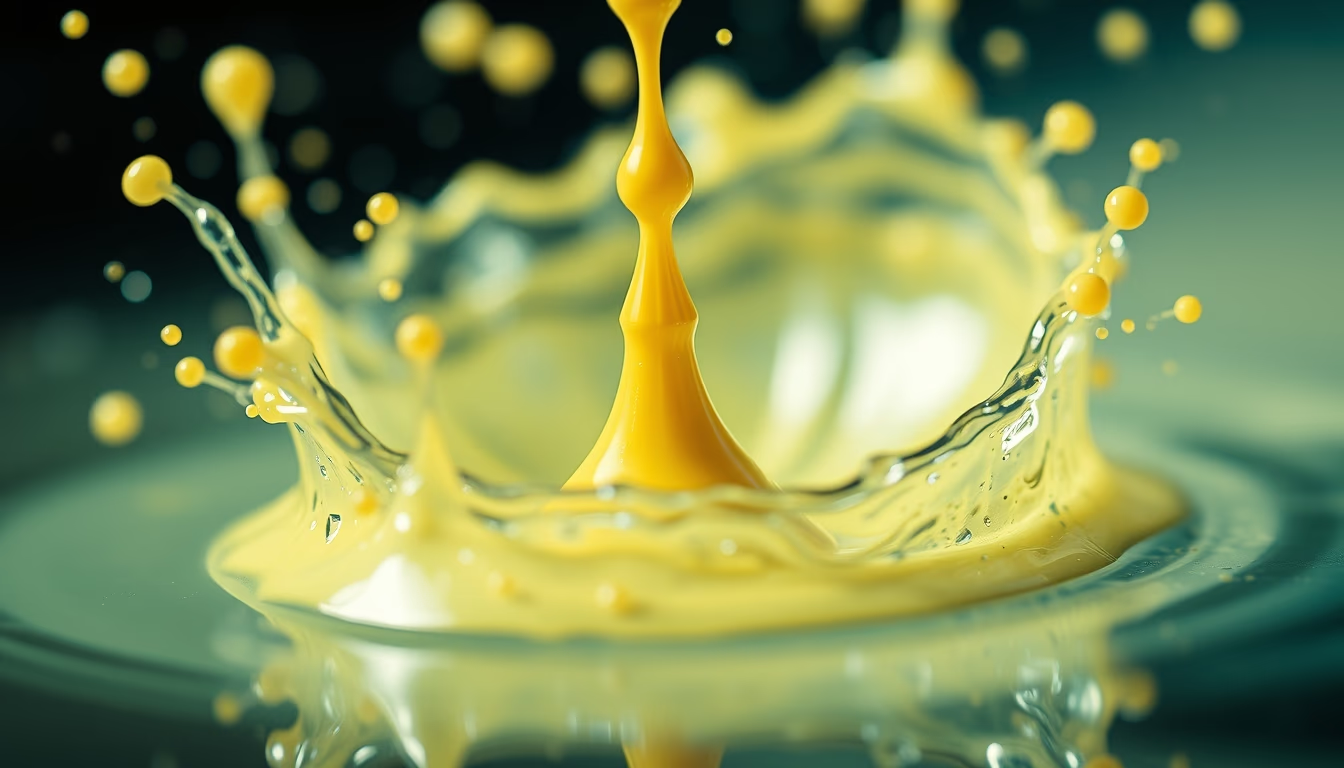
Macro photography of paint in water captures the precise moment of color explosion, resulting in unique organic shapes.
About this subject
The technique of photographing paint in water is a form of abstract art that explores fluid dynamics and the interaction between liquids of different densities and viscosities. When a drop of paint is released into still or moving water, surface tension and diffusion create ephemeral patterns resembling clouds, flowers, or nebulae. Each photograph is unique, as it depends on variables such as drop speed, liquid temperature, and the color of the paint used.
To capture these images, photographers use macro lenses (usually 60 mm to 105 mm) and high-speed shutter release, with synchronized flash to freeze motion. A transparent aquarium, distilled water (to avoid bubbles), and acrylic or gouache paints are basic materials. Lighting is crucial: side or backlighting emphasizes the textures and transparencies of the colors.
These images are popular in graphic design, album covers, and advertising campaigns that aim to convey creativity, dynamism, and purity. Although they may resemble digital paintings, they are real photographs, obtained with patience and technique. Artists such as David Baird and Pierre-Louis Le Corre are references in this field, combining science and aesthetics.
Frequently Asked Questions
How to take photos of paint in water?
Use a camera with a macro lens and external flash. Fill a transparent container with distilled water. Drop diluted acrylic paint using a dropper or syringe. Shoot in burst mode or with a remote trigger to capture the exact moment of the explosion.
What type of paint is best for this effect?
Acrylic or gouache paints work well because they have controllable viscosity. Dilute with water to the desired consistency. Bright, contrasting colors produce the best results. Avoid oil paints, as they do not mix with water.
Why are the shapes always different?
Each drop interacts with water uniquely due to factors such as speed, impact angle, temperature, and density. Surface tension and diffusion create chaotic, non-repeating patterns, making every photo a one-of-a-kind artwork.
Direct URL
https://pub-c7d6a6ea828543ac903a74a341ccb2e1.r2.dev/imagens/paint-splash-water-macro-closeup-p1.avifHow to credit
Include a visible link back to UtilizAí. Copy one of the snippets below:
<a href="https://xn--utiliza-eza.com/en/midia/imagens/paint-splash-water-macro-closeup-p1">Paint splash water</a> by <a href="https://xn--utiliza-eza.com">UtilizAí</a>, licensed under <a href="https://creativecommons.org/licenses/by/4.0/">CC BY 4.0</a>.
[Paint splash water](https://xn--utiliza-eza.com/en/midia/imagens/paint-splash-water-macro-closeup-p1) by [UtilizAí](https://xn--utiliza-eza.com), CC BY 4.0
License: CC-BY-4.0