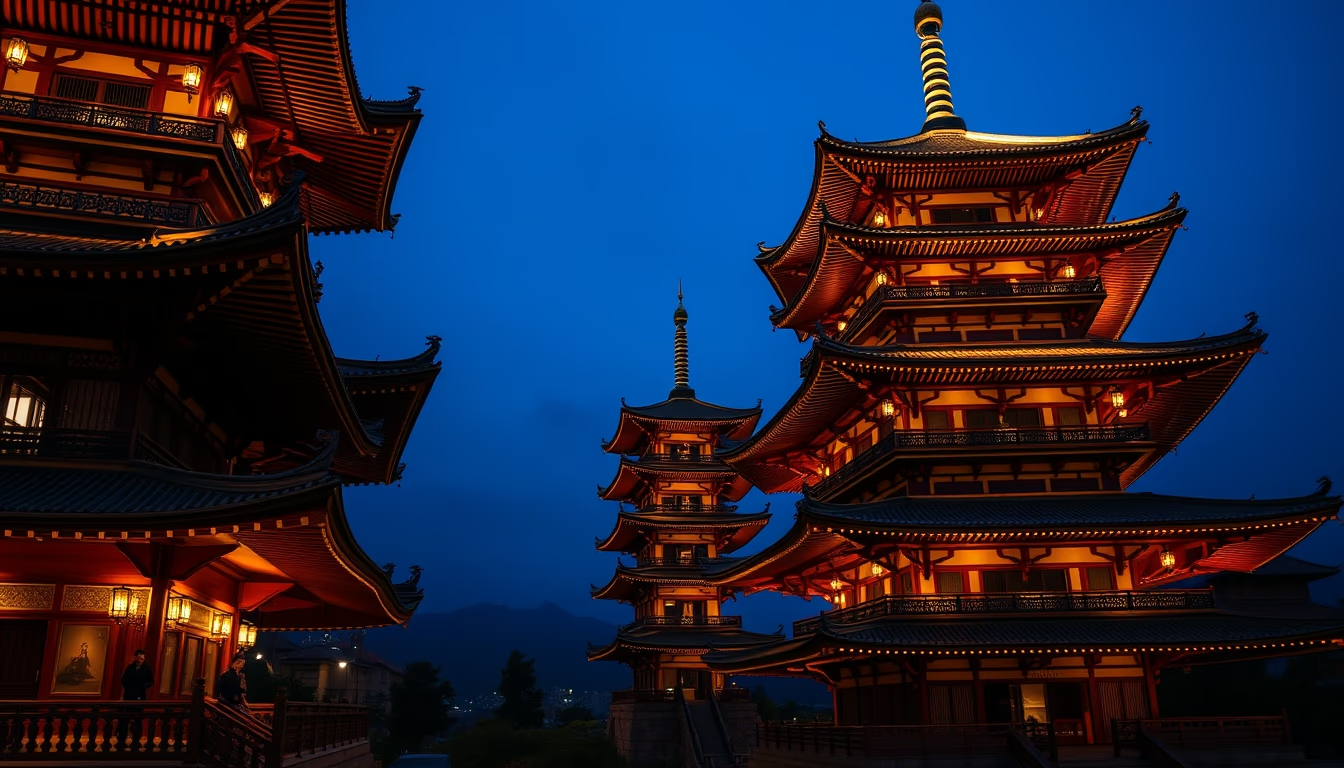
Pagoda multiple stories
1344×768 · AVIF · CC BY 4.0
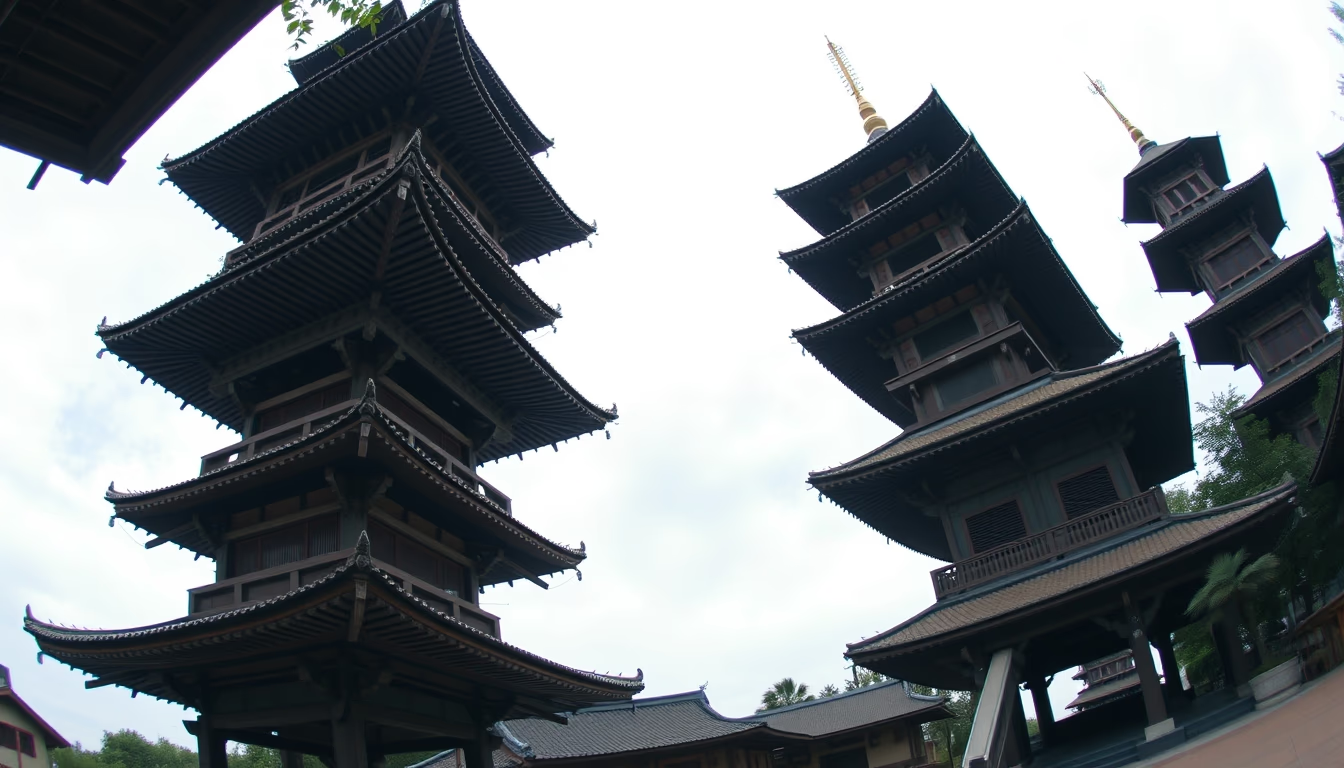
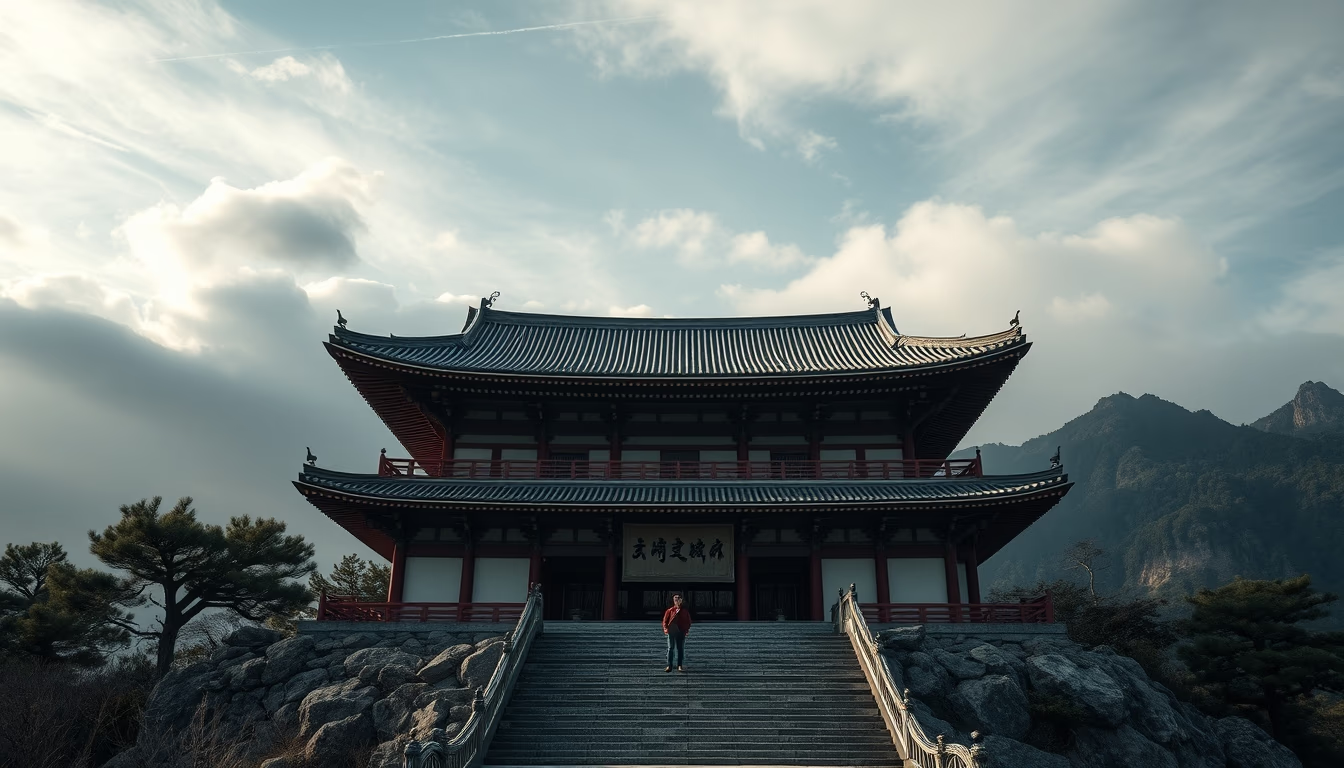
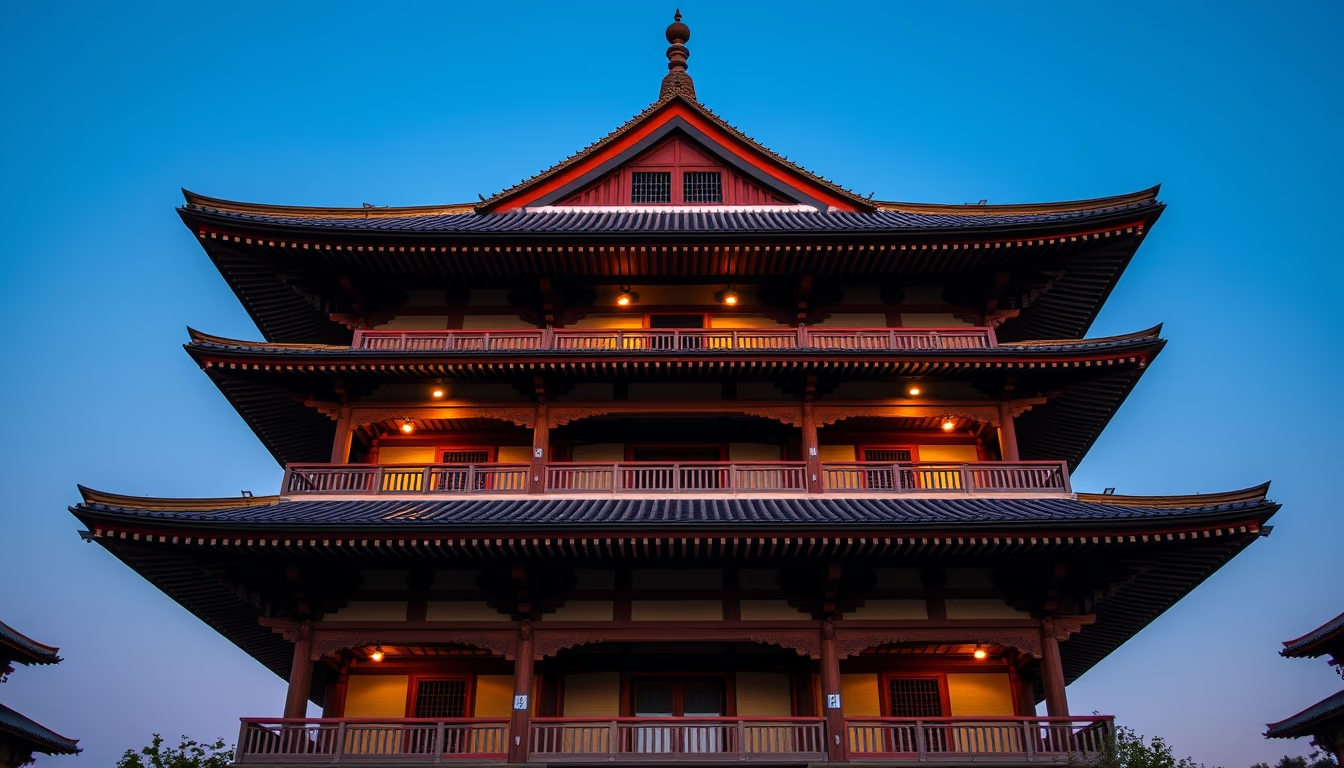
Multi-storied pagodas are iconic structures of Asian architecture, symbolizing spirituality and the connection between heaven and earth.
About this subject
Multi-storied pagodas are religious towers that originated from Indian stupas, evolving in China from the 3rd century CE and spreading across East Asia. In Buddhism, they represent the path to enlightenment, with each story symbolizing a step in spiritual ascent. Their architecture blends local influences: Chinese pagodas are often brick or stone with bracketed roofs, while Japanese pagodas (tō) are predominantly wooden, with sweeping eaves and multiple roof layers.
The number of stories varies but is typically odd (3, 5, 7, 9, or 13), reflecting harmony between yin and yang. Notable examples include the Iron Pagoda in Kaifeng, China, with 13 stories and 55 meters, and the five-storied Chureito Pagoda in Japan, famous for its view of Mount Fuji. Their primary function is to house sacred relics, such as sutras and Buddha statues, and serve as focal points for meditation and prayer.
Culturally, pagodas are symbols of protection and prosperity. Many feature bells on eaves to ward off evil spirits and vibrant colors like red and gold for good luck. In the West, their aesthetic influenced the chinoiserie movement in the 18th and 19th centuries, leading to decorative structures in gardens and palaces. The world's tallest pagoda is the Tianning Pagoda in Changzhou, China, standing at 153 meters.
Interestingly, porcelain pagodas, like the famous Porcelain Tower of Nanjing, were built with glazed tiles that shimmered in sunlight. While many were destroyed by wars or earthquakes, hundreds still exist, preserving centuries of history and faith. The joinery technique used in Japanese pagodas, with wooden interlocking joints and no nails, allows them to withstand seismic tremors with flexibility.
Frequently Asked Questions
What is the origin of multi-storied pagodas?
They originated from Indian stupas, Buddhist funerary structures, and were adapted in China between the 3rd and 6th centuries, incorporating curved roofs and multiple stories.
How many stories does a typical pagoda have, and why?
It usually has an odd number of stories (3, 5, 7, 9, or 13), symbolizing spiritual progression and cosmic harmony in Buddhism.
What is the difference between Chinese and Japanese pagodas?
Chinese pagodas are more robust, made of brick or stone with straight roofs. Japanese pagodas (tō) are wooden, slimmer, and have pronounced curved eaves designed to withstand earthquakes.
Direct URL
https://pub-c7d6a6ea828543ac903a74a341ccb2e1.r2.dev/imagens/pagoda-multiple-stories-fish-eye-wide-angle-fresh3.avifHow to credit
Include a visible link back to UtilizAí. Copy one of the snippets below:
<a href="https://xn--utiliza-eza.com/en/midia/imagens/pagoda-multiple-stories-fish-eye-wide-angle-fresh3">Pagoda multiple stories</a> by <a href="https://xn--utiliza-eza.com">UtilizAí</a>, licensed under <a href="https://creativecommons.org/licenses/by/4.0/">CC BY 4.0</a>.
[Pagoda multiple stories](https://xn--utiliza-eza.com/en/midia/imagens/pagoda-multiple-stories-fish-eye-wide-angle-fresh3) by [UtilizAí](https://xn--utiliza-eza.com), CC BY 4.0
License: CC-BY-4.0