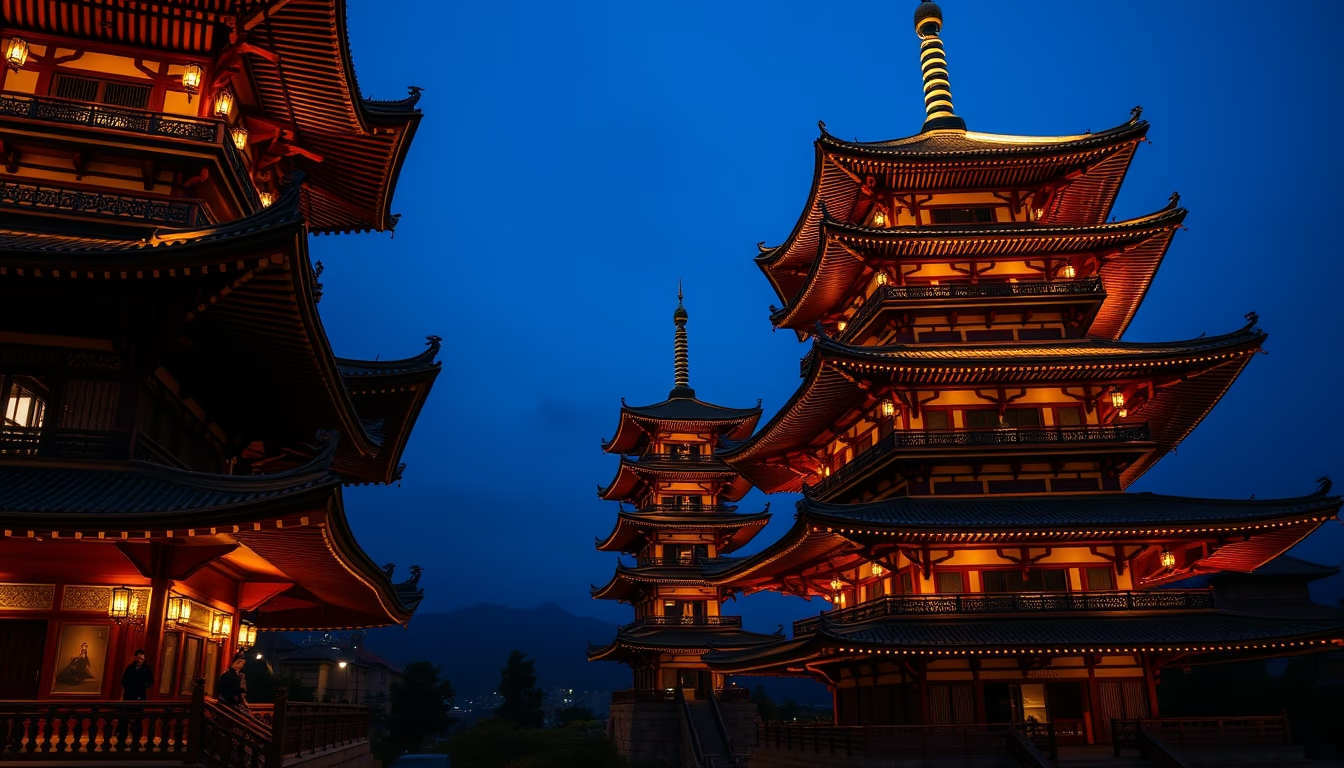
Pagoda multiple stories
1344×768 · AVIF · CC BY 4.0
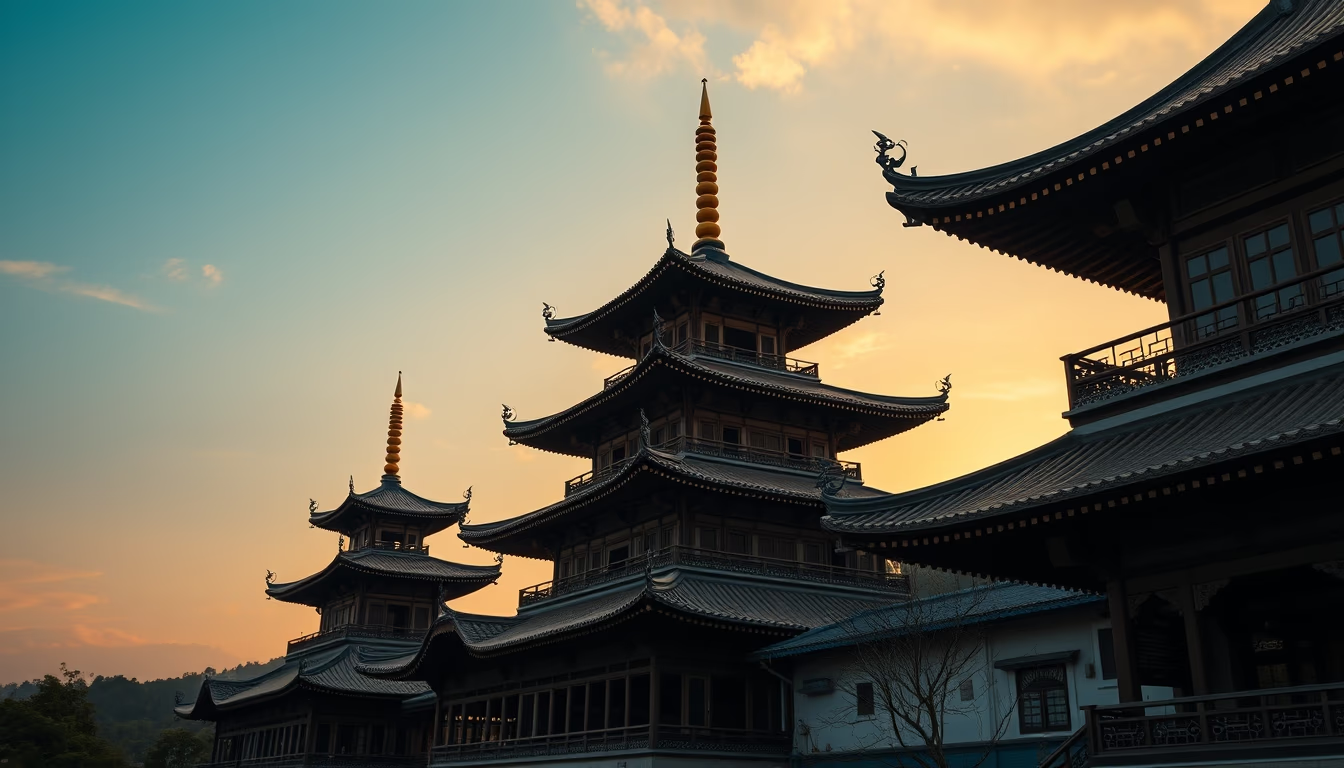
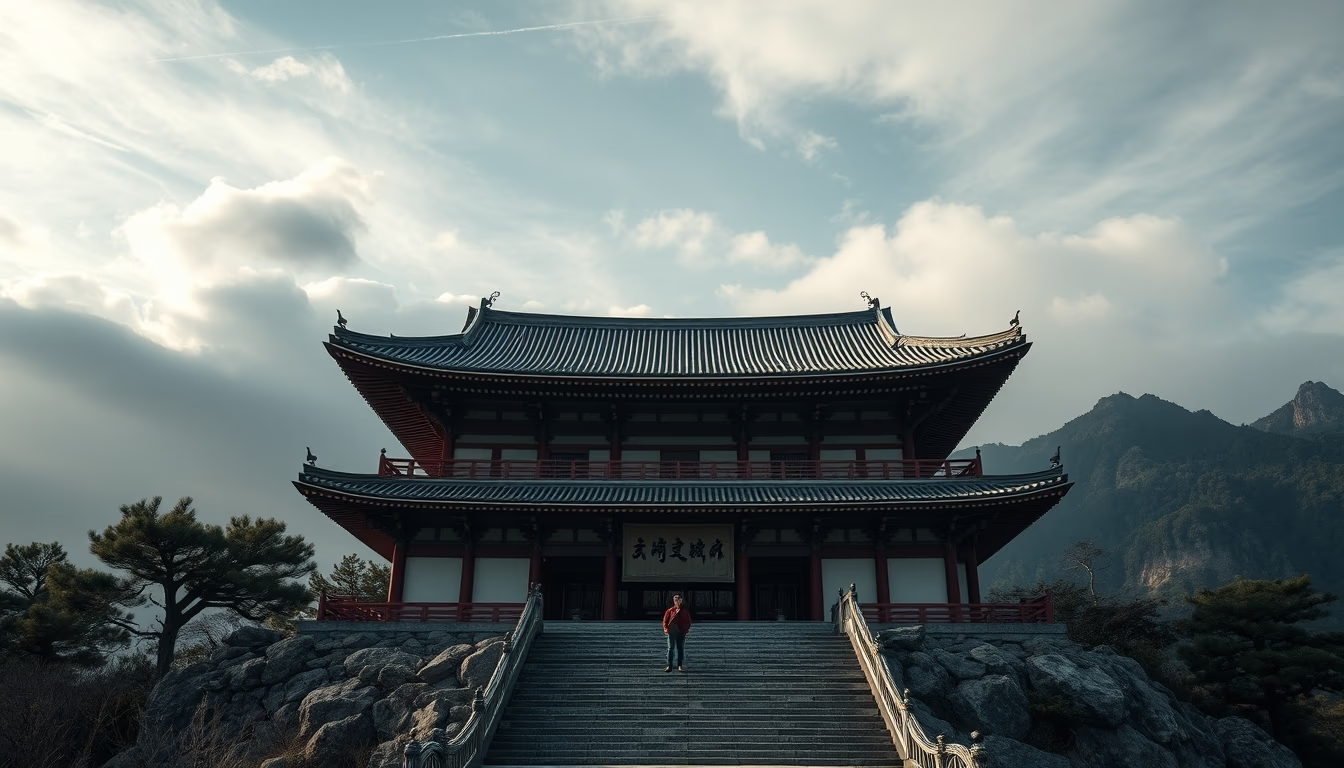
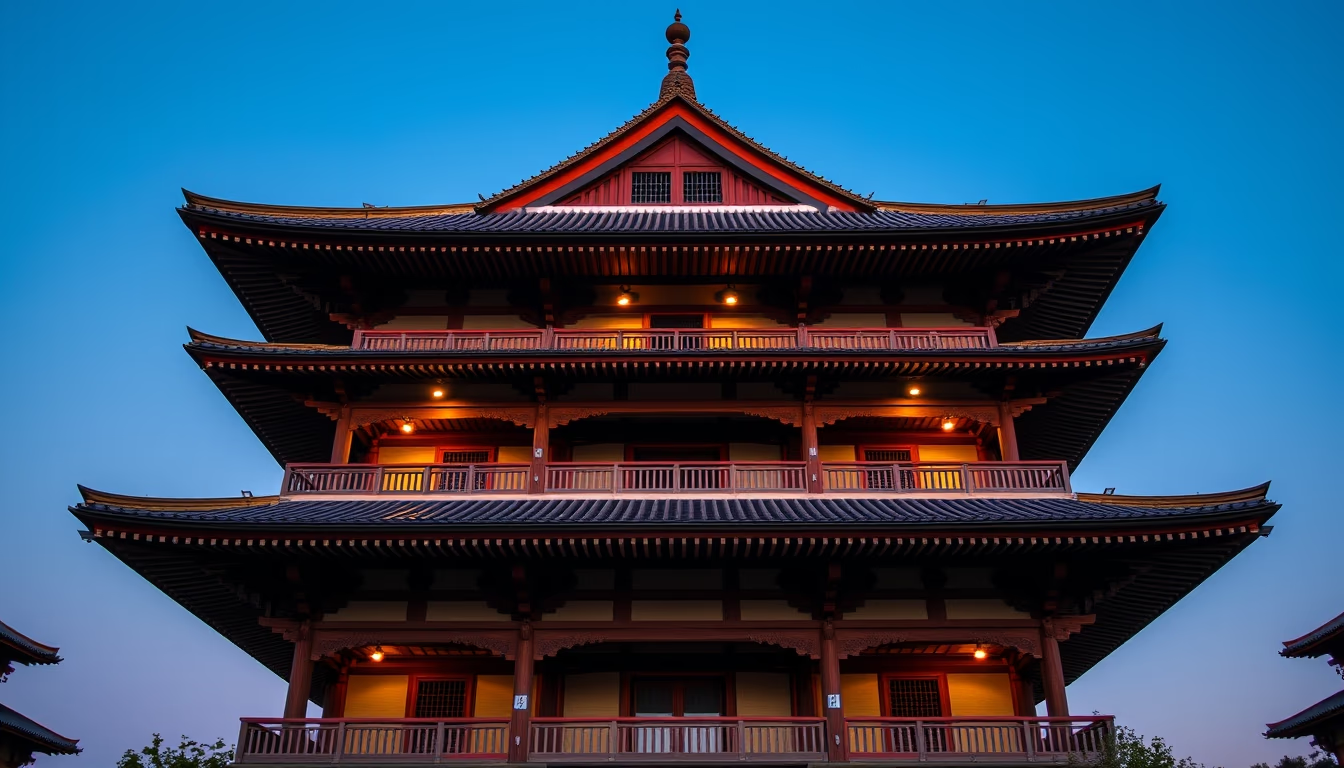
Multi-storied pagodas are icons of East Asian architecture, blending religious symbolism with ancient engineering.
About this subject
Multi-storied pagodas are emblematic structures found in countries like China, Japan, Korea, and Vietnam. They initially evolved from Indian stupas, which housed Buddhist relics, and were adapted in China from the 1st century CE. The stacked pavilion shape served both to store sacred scriptures and to represent spiritual progression toward nirvana. Each story symbolizes a stage of enlightenment, and the number of tiers is usually odd, ranging from three to thirteen, with five and seven being the most common due to their association with Buddhist cosmology.
Construction of these towers required advanced wood joinery and seismic balancing techniques, especially in Japan, where pagodas like the one at Horyuji Temple (7th century) survived earthquakes thanks to a flexible central column system. In China, brick and stone pagodas, such as the Giant Wild Goose Pagoda in Xi'an (652 CE), demonstrated the fusion of Indian and Chinese styles. In Korea, the Dabotap Pagoda at Bulguksa Temple (8th century) is renowned for its symmetry and elaborate granite carving.
Beyond religious contexts, pagodas also served as lighthouses, observation posts, and symbols of prestige for emperors and feudal lords. Their aesthetics influenced Western architecture, notably in 19th-century Orientalist projects. Today, many are UNESCO World Heritage sites and attract millions of visitors, keeping alive the tradition of building towers that touch the sky.
Frequently Asked Questions
What is the significance of the number of stories in a pagoda?
The number of stories is usually odd and symbolizes stages of enlightenment in Buddhism. Common numbers are 5 and 7, representing elements like the five senses or the seven steps of the Buddha.
Why do Japanese pagodas withstand earthquakes?
They have a central wooden pillar that swings independently during tremors, dissipating energy. This flexible system, called shinbashira, was developed centuries ago without nails.
What is the difference between Chinese and Japanese pagodas?
Chinese pagodas tend to have more stories and curved roofs with wide eaves, while Japanese ones are more restrained, with smaller roof projections and emphasis on verticality.
Direct URL
https://pub-c7d6a6ea828543ac903a74a341ccb2e1.r2.dev/imagens/pagoda-multiple-stories-cinematic-wide-shot-fresh7.avifHow to credit
Include a visible link back to UtilizAí. Copy one of the snippets below:
<a href="https://xn--utiliza-eza.com/en/midia/imagens/pagoda-multiple-stories-cinematic-wide-shot-fresh7">Pagoda multiple stories</a> by <a href="https://xn--utiliza-eza.com">UtilizAí</a>, licensed under <a href="https://creativecommons.org/licenses/by/4.0/">CC BY 4.0</a>.
[Pagoda multiple stories](https://xn--utiliza-eza.com/en/midia/imagens/pagoda-multiple-stories-cinematic-wide-shot-fresh7) by [UtilizAí](https://xn--utiliza-eza.com), CC BY 4.0
License: CC-BY-4.0