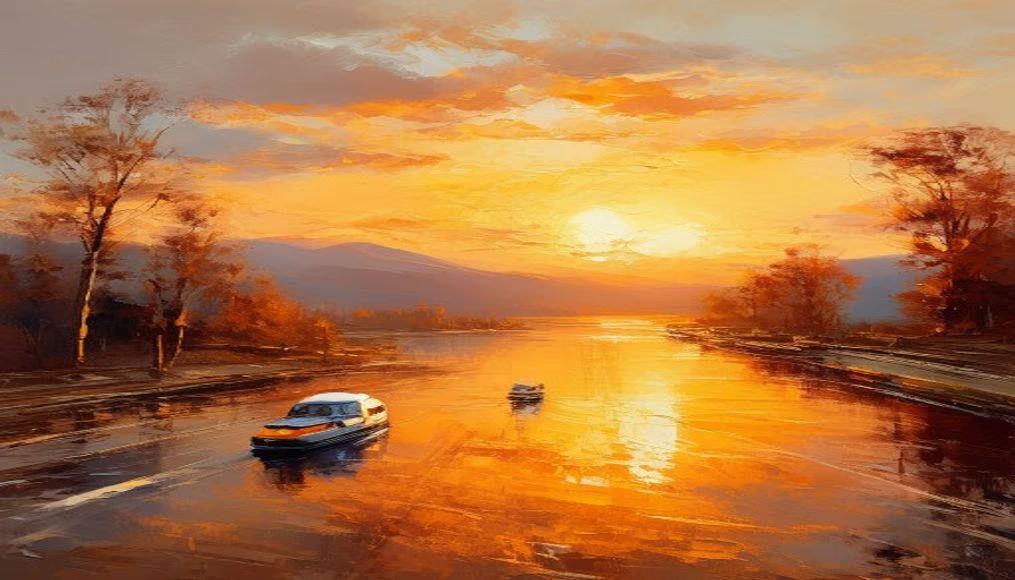
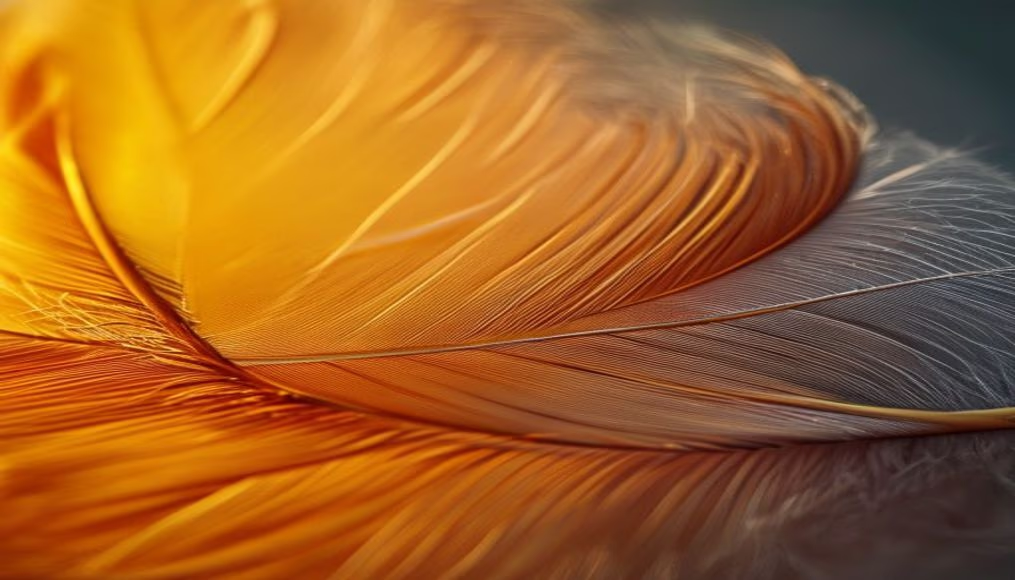
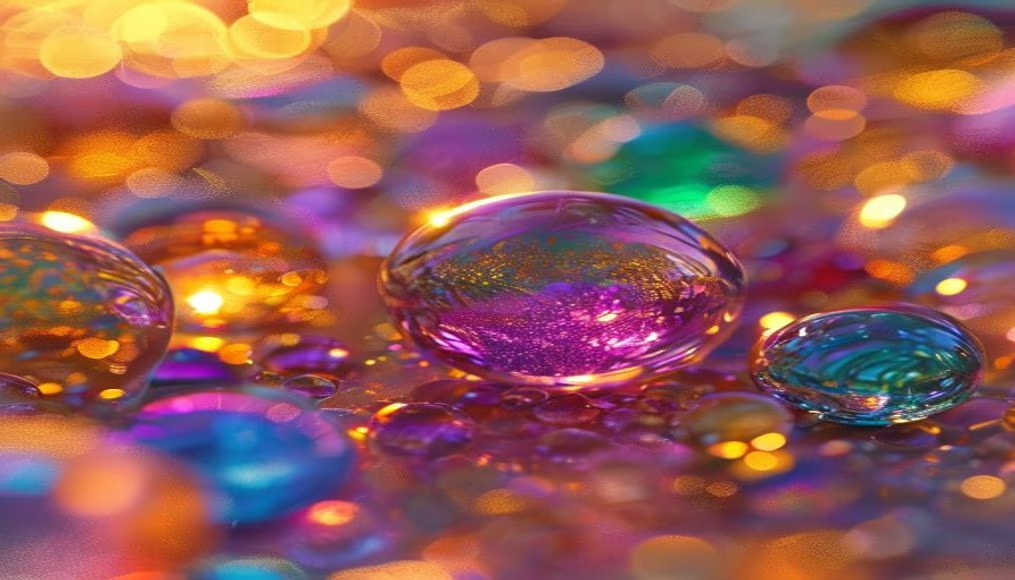
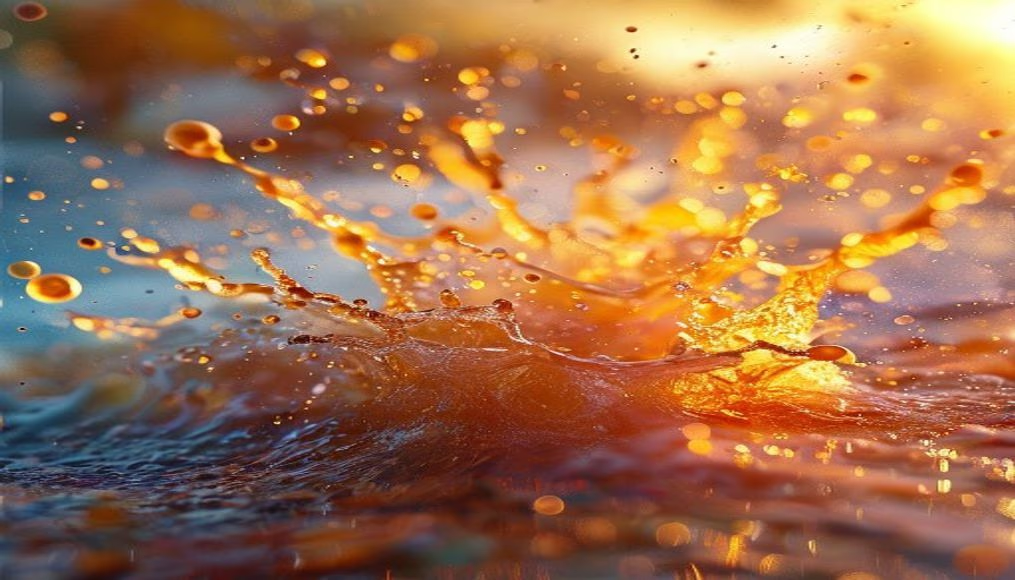
Oil paint texture
1344×768 · AVIF · CC BY 4.0
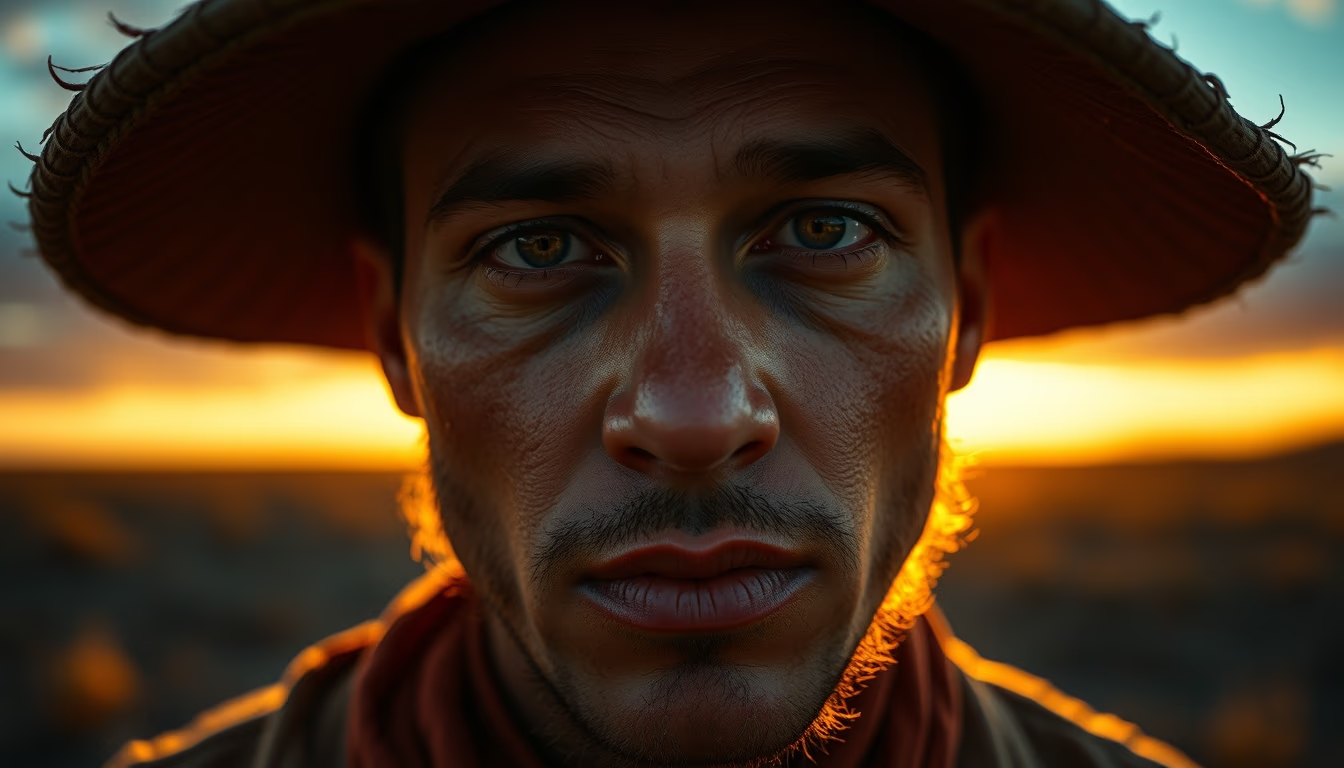
Close-up of oil paint texture, revealing thick layers and visible brushstrokes that create a distinctive three-dimensional relief.
About this subject
Oil paint texture is a fundamental element in artistic painting, prized for its tactile relief and visual depth. Unlike acrylics or watercolors, oil paint has a dense consistency that allows application in thick layers, a technique known as impasto. Artists such as Vincent van Gogh and Rembrandt used this property to add expressiveness and luminosity to their works, creating surfaces that capture light in a unique way.
The composition of oil paint includes pigments suspended in vegetable oils, such as linseed or walnut oil, which dry slowly through oxidation. This prolonged drying time allows the painter to manipulate the paint for hours or days, blending colors directly on the canvas and creating smooth transitions. The resulting texture varies depending on the type of brush, palette knife, or even the artist's fingers, resulting in patterns as varied as fingerprints.
Historically, the impasto technique gained prominence in the 17th century, but it became a hallmark in post-impressionism. Van Gogh, for instance, applied paint in thick layers to convey emotion and movement, as seen in "The Starry Night" (1889). In contemporary art, artists like Anselm Kiefer use extreme textures to evoke themes of memory and destruction, incorporating materials such as sand and straw into the paint.
Appreciation of texture goes beyond the visual: many museums encourage visitors to observe works up close to notice the relief. In exhibitions, lighting is carefully positioned to enhance shadows and protrusions of the paint, transforming the painting into an almost sculptural experience. For beginner artists, mastering texture is a crucial step in bringing canvases to life.
Frequently Asked Questions
What is the impasto technique in oil painting?
Impasto is a technique where paint is applied in thick layers, usually with a brush or palette knife, creating visible texture and relief on the canvas surface. This adds expressiveness and emphasizes brushstrokes.
How long does it take for oil paint to dry completely?
Oil paint drying can take from a few days to several weeks, depending on layer thickness, temperature, and humidity. Thin layers dry faster, while impasto may take months to fully cure.
What materials can be used to create texture in oil painting?
Besides brushes and palette knives, artists can use fingers, combs, rollers, or even add materials like sand, sawdust, or texture gel to the paint to achieve varied effects.
Direct URL
https://pub-c7d6a6ea828543ac903a74a341ccb2e1.r2.dev/imagens/oil-paint-texture-cinematic-wide-shot-v2.avifHow to credit
Include a visible link back to UtilizAí. Copy one of the snippets below:
<a href="https://xn--utiliza-eza.com/en/midia/imagens/oil-paint-texture-cinematic-wide-shot-v2">Oil paint texture</a> by <a href="https://xn--utiliza-eza.com">UtilizAí</a>, licensed under <a href="https://creativecommons.org/licenses/by/4.0/">CC BY 4.0</a>.
[Oil paint texture](https://xn--utiliza-eza.com/en/midia/imagens/oil-paint-texture-cinematic-wide-shot-v2) by [UtilizAí](https://xn--utiliza-eza.com), CC BY 4.0
License: CC-BY-4.0