Medieval armor display
1344×768 · AVIF · CC BY 4.0
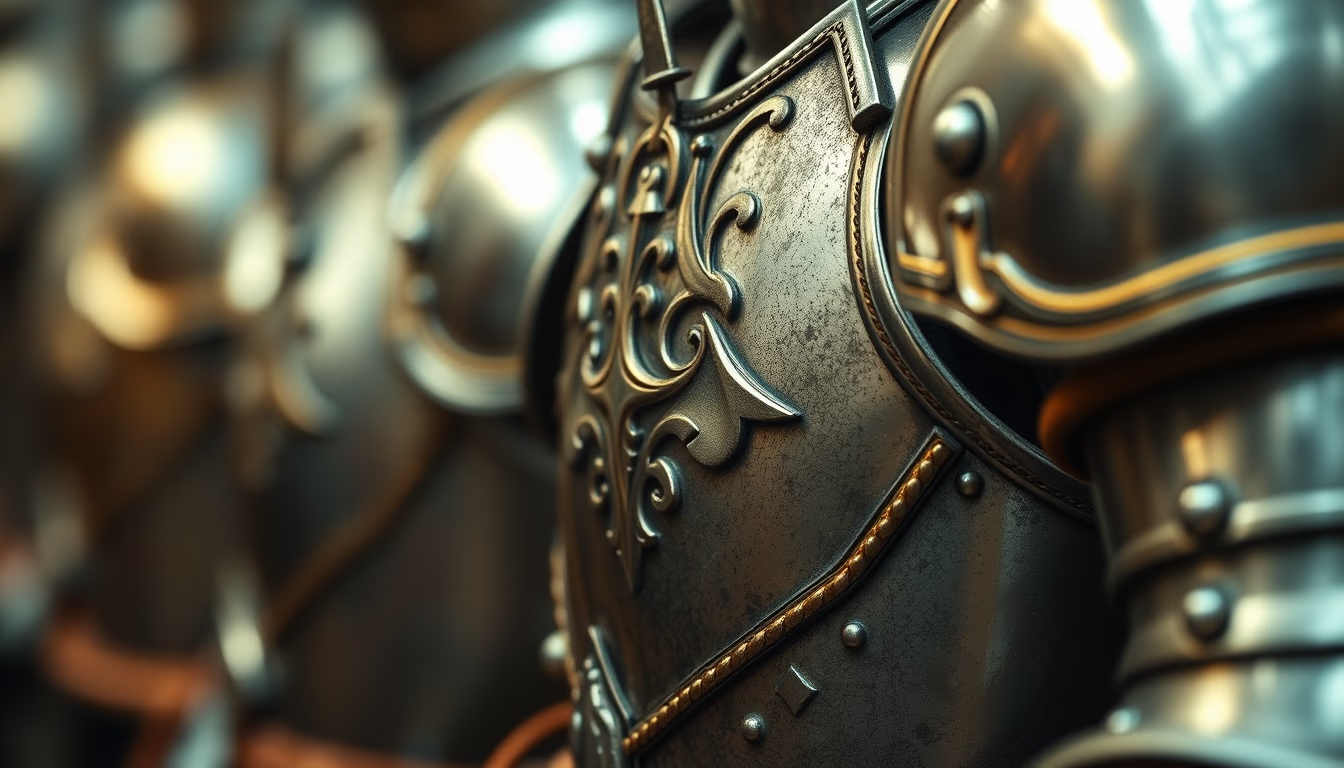
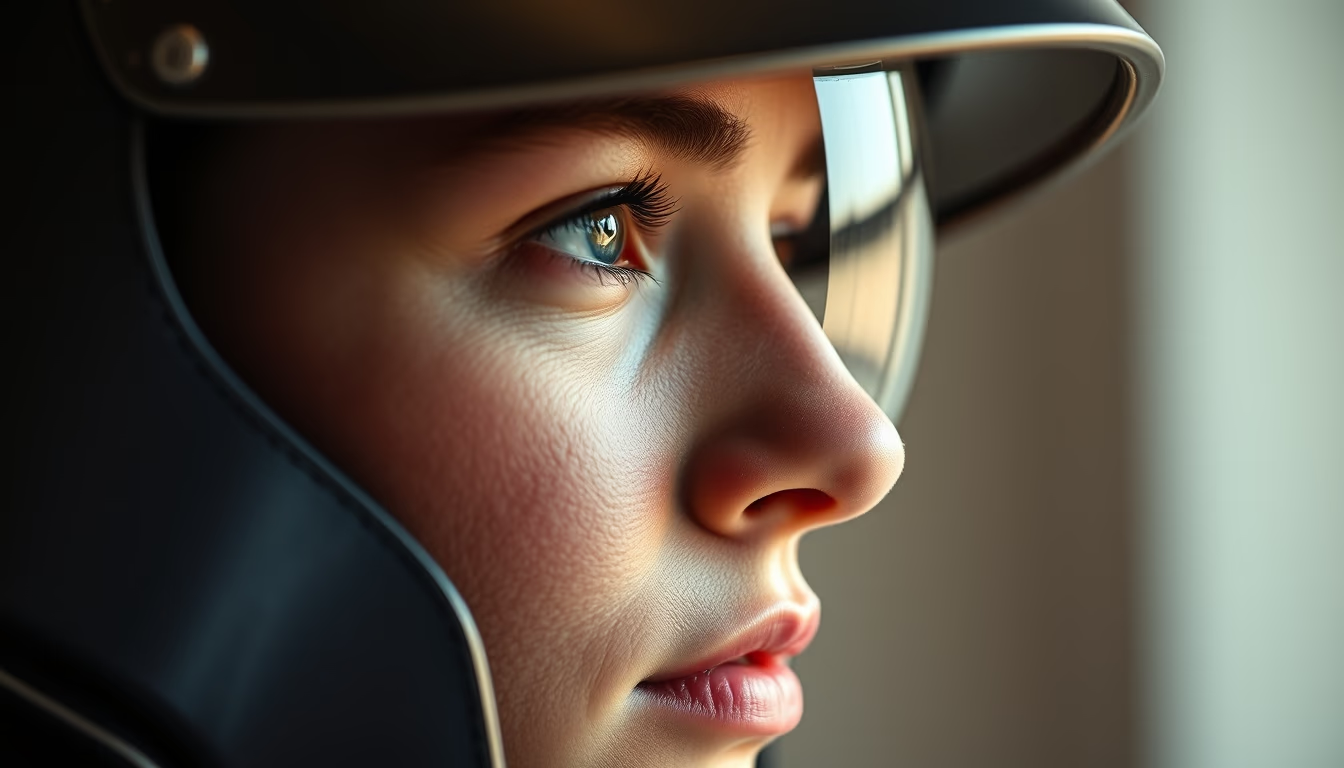
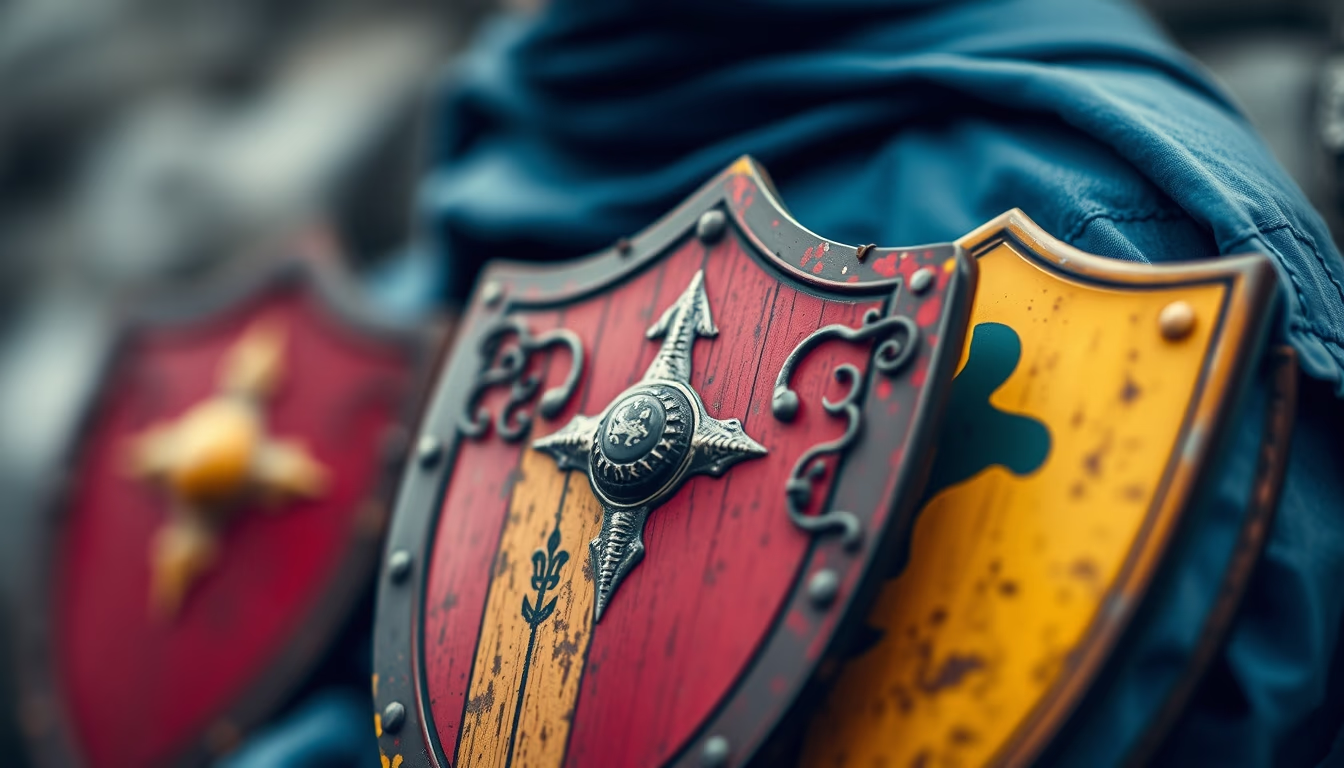
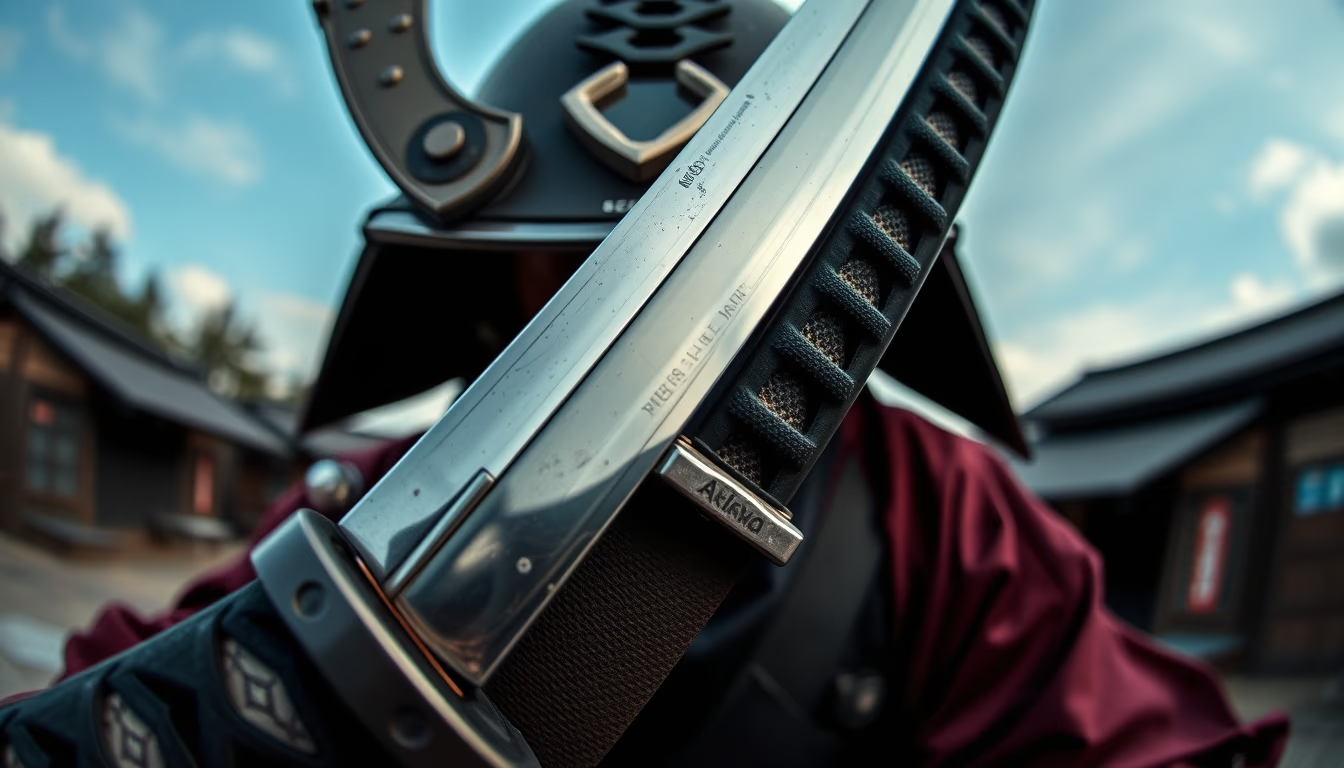
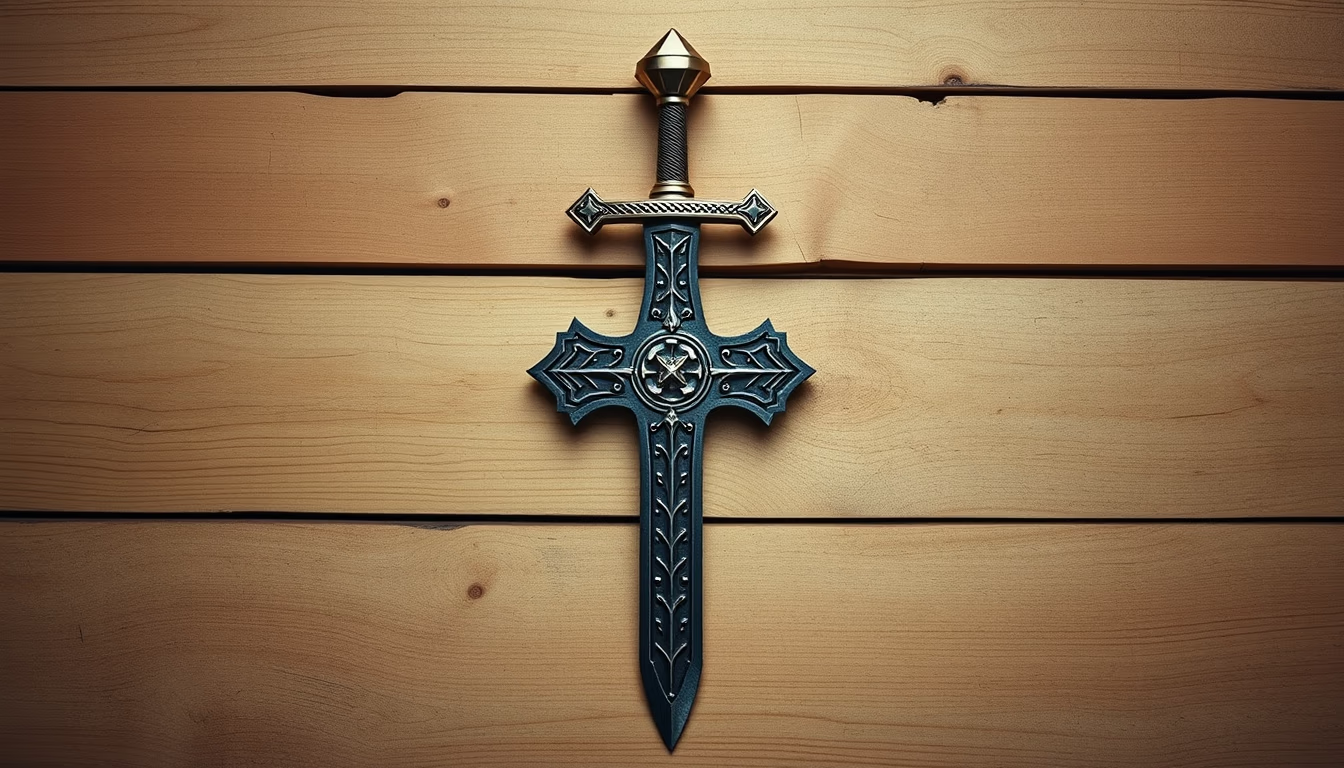
Medieval armor was protective gear worn by knights between the 13th and 16th centuries, combining advanced metallurgy and ergonomic design.
About this subject
Medieval armor represents one of the pinnacles of pre-industrial metallurgy, mainly developed in Europe between the 13th and 16th centuries. Contrary to popular belief, a complete plate armor suit weighed between 20 and 30 kg, evenly distributed across the body. Knights could mount horses, lie down, and even run thanks to the engineering of rotating joints.
The production of a single armor required months of work by a specialized armorer, who adjusted each piece to the client's body. Alloys varied by region: Milan steel was famous for its flexibility, while German pieces prioritized strength. Details such as gorget, cuirass, arm guards, and gauntlets changed according to armor school.
Beyond military function, armor was a status symbol. Noble families commissioned pieces decorated with brass inlays, embossing, and even gold. Tournaments and jousts kept demand alive even after battlefield use declined, with parade armor being even more ornate.
Interestingly, the term “full armor” only appeared in the 15th century; before that, warriors wore mail hauberks combined with partial plates. The shift to full plate armor was driven by the development of crossbows and early firearms, which required stronger protection.
Frequently Asked Questions
What is the difference between mail and plate armor?
Mail armor is made of interlinked metal rings, offering flexibility but little protection against blunt force. Plate armor uses large shaped steel pieces, better protecting against swords and arrows, but slightly limiting movement.
Was medieval armor really heavy?
Not as much as commonly thought. A complete field armor weighed 20 to 30 kg, distributed across the body. Trained knights could mount horses and even do cartwheels in it.
How was armor fitted to the wearer?
The armorer measured the client and forged each piece to order using hammers and anvils. Joints allowed articulated movement. The process could take months and the result was unique.
Direct URL
https://pub-c7d6a6ea828543ac903a74a341ccb2e1.r2.dev/imagens/medieval-armor-display-macro-closeup-p1.avifHow to credit
Include a visible link back to UtilizAí. Copy one of the snippets below:
<a href="https://xn--utiliza-eza.com/en/midia/imagens/medieval-armor-display-macro-closeup-p1">Medieval armor display</a> by <a href="https://xn--utiliza-eza.com">UtilizAí</a>, licensed under <a href="https://creativecommons.org/licenses/by/4.0/">CC BY 4.0</a>.
[Medieval armor display](https://xn--utiliza-eza.com/en/midia/imagens/medieval-armor-display-macro-closeup-p1) by [UtilizAí](https://xn--utiliza-eza.com), CC BY 4.0
License: CC-BY-4.0