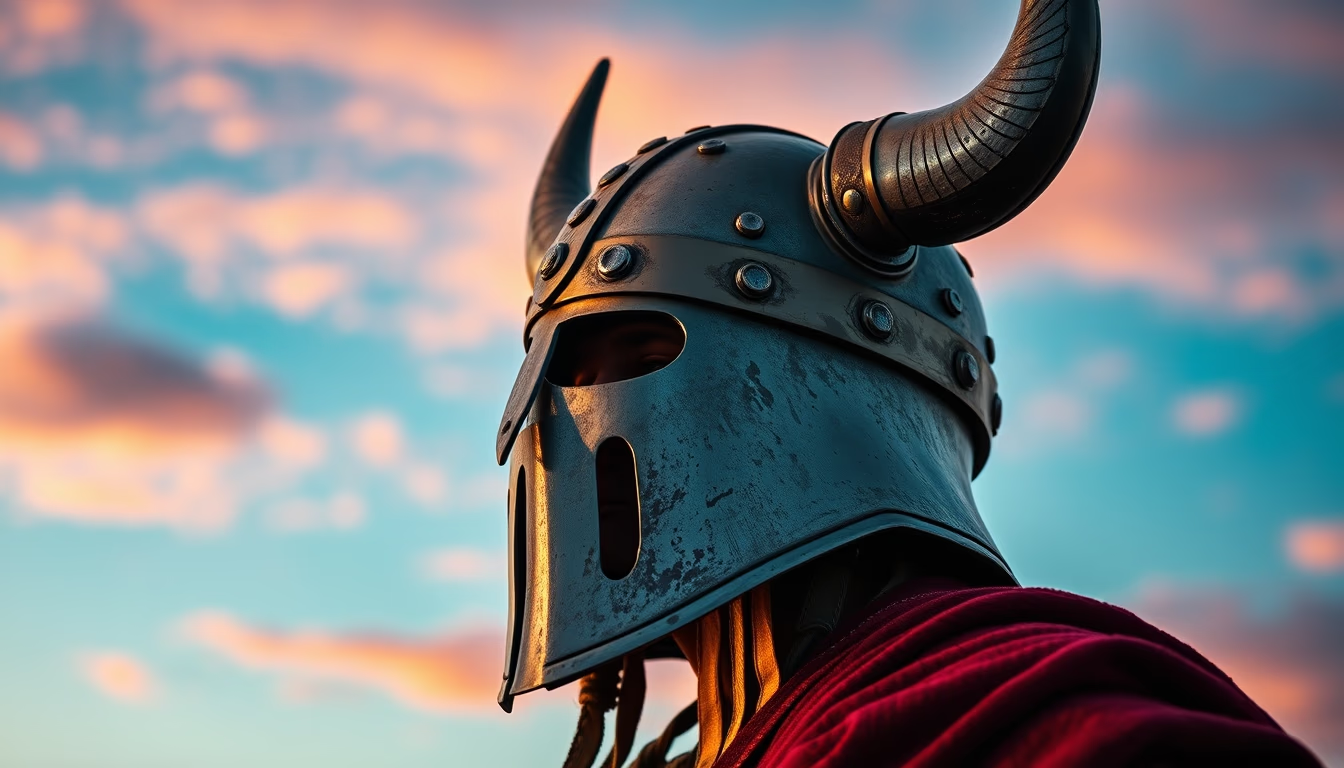
Medieval armor display
1344×768 · AVIF · CC BY 4.0
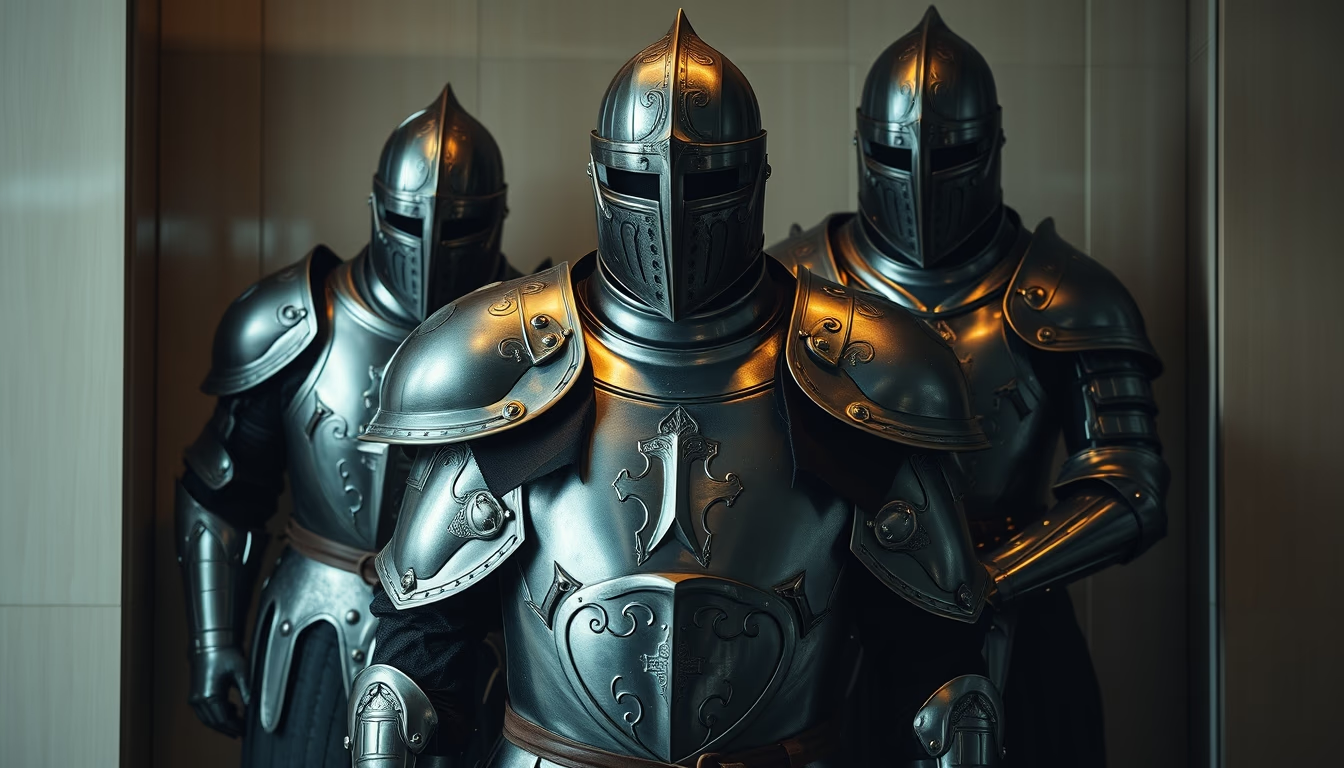
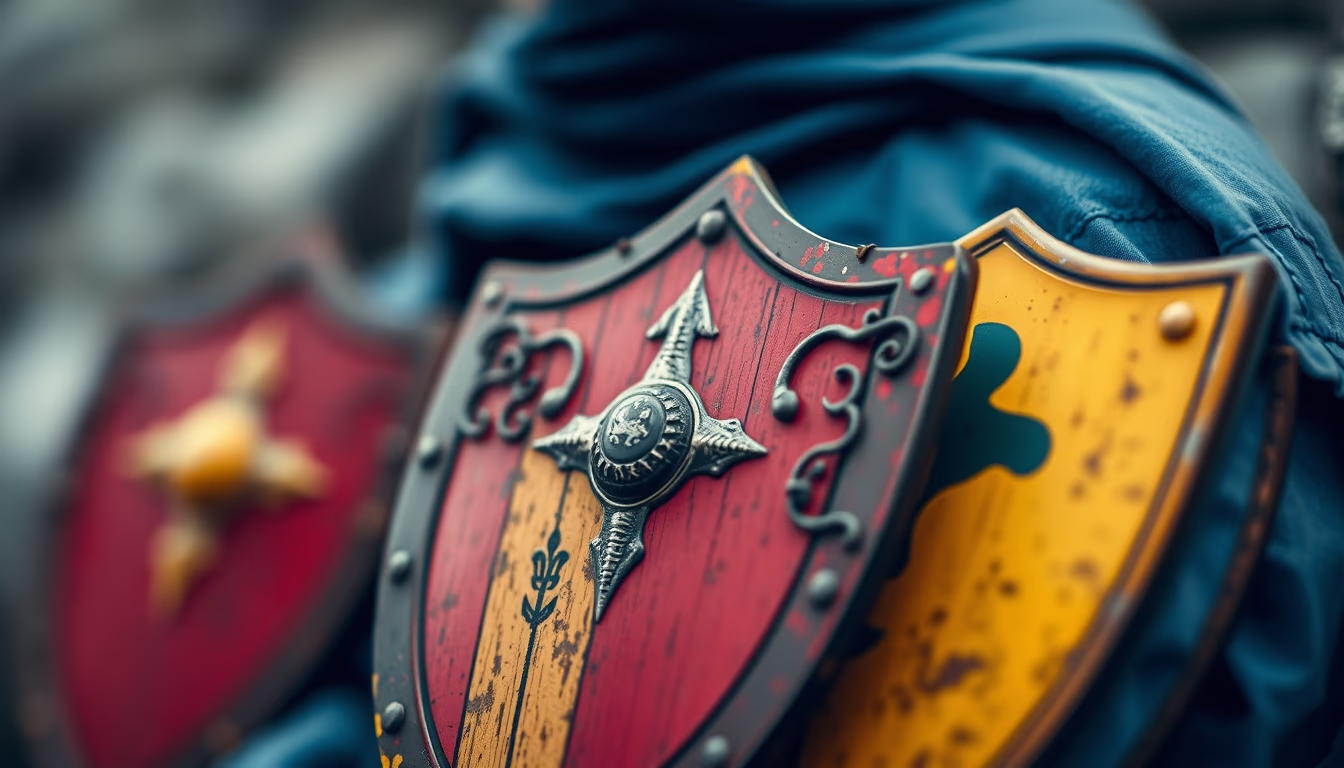
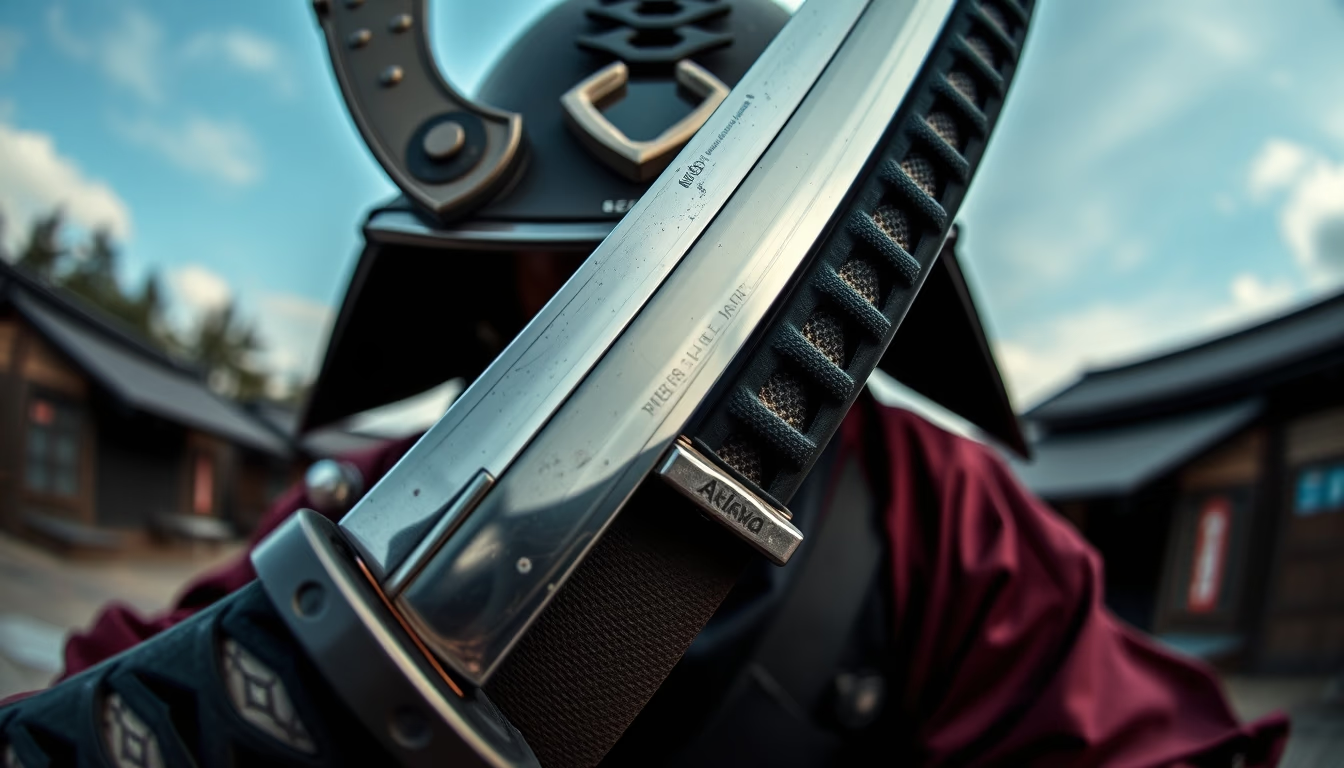
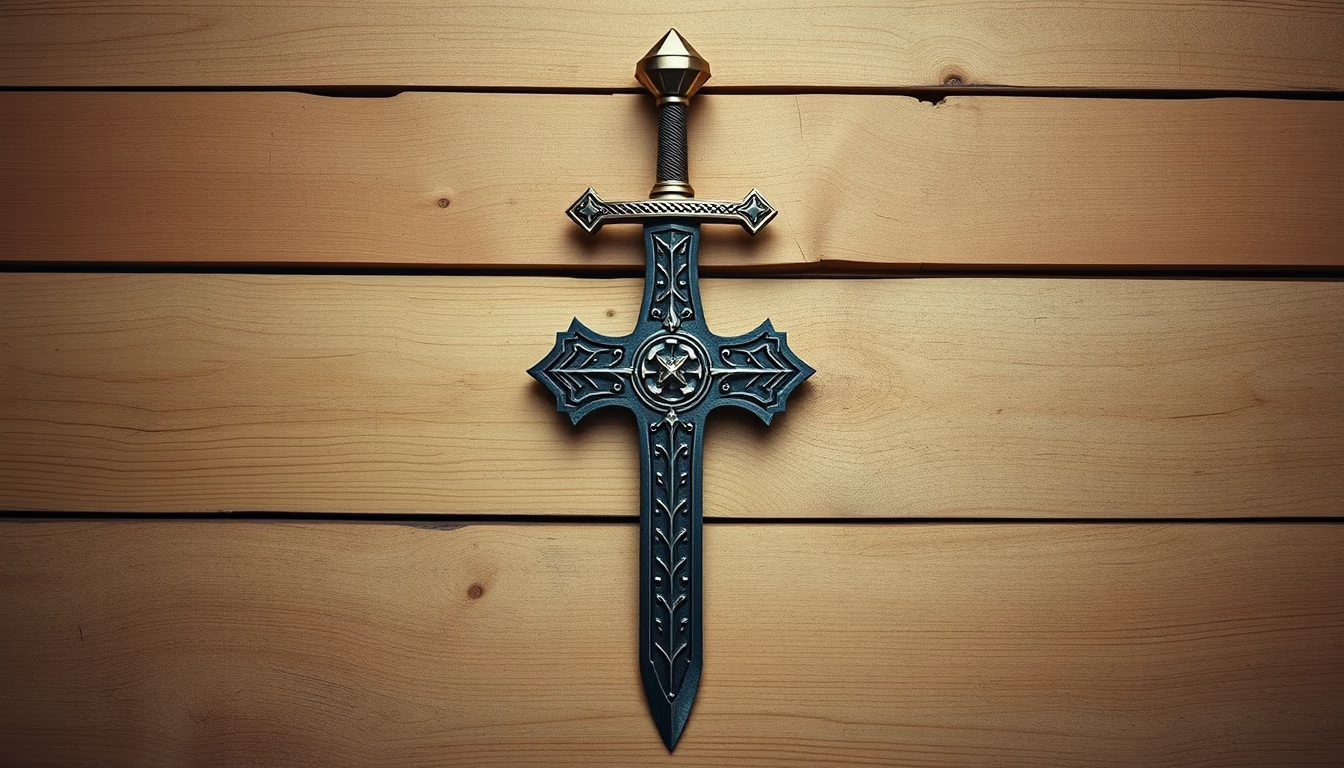
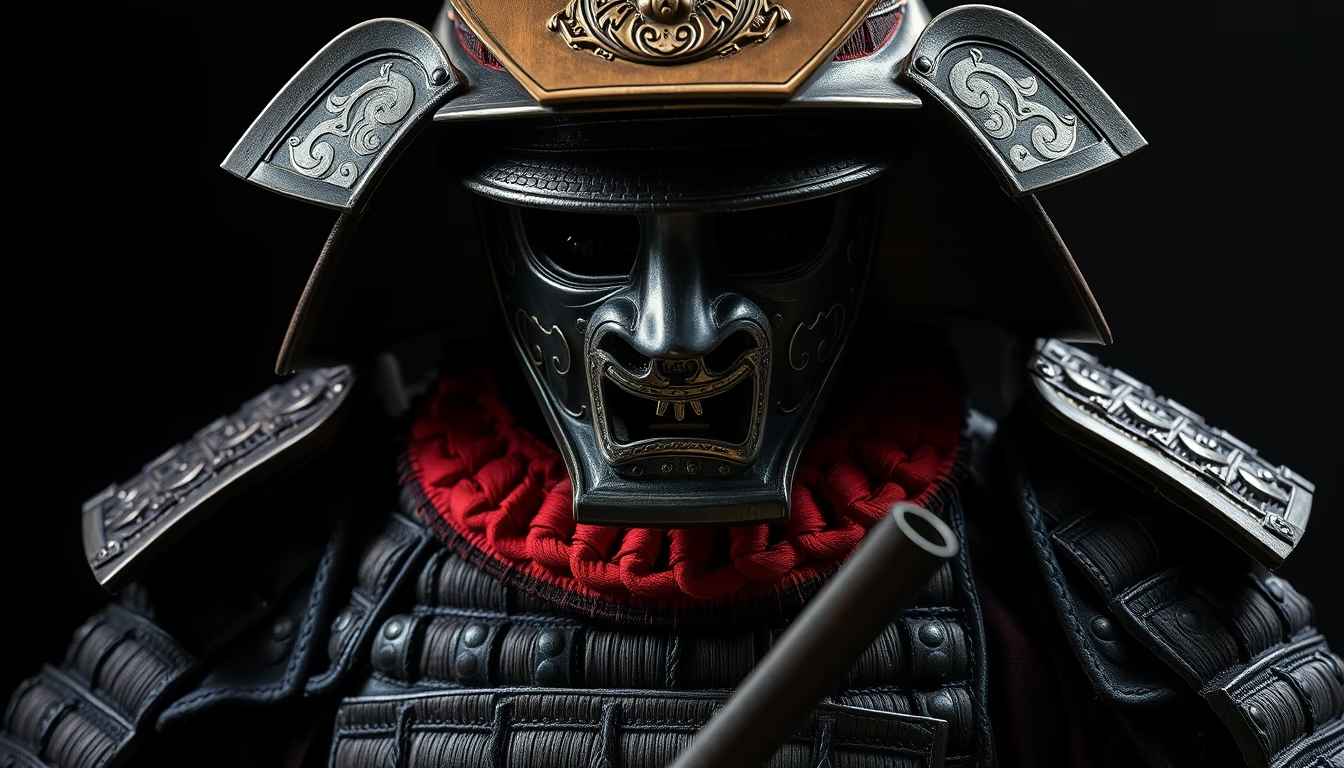
Medieval armor display showcases the engineering of protection and social status from the 14th to 16th centuries.
About this subject
Medieval armor evolved from simple mail shirts to complex plates of steel, reflecting advances in metallurgy and battlefield tactics. During the 14th and 15th centuries, full plate armor, known as white armor, became standard for European knights, weighing between 20 and 30 kilograms. Each piece was articulated to allow movement, and protection varied by region: German armor was more angular, while Italian armor emphasized curves to deflect blows.
Producing a suit of armor required specialized skills from armorers, who forged steel in multiple layers. The cost was so high that only nobles and wealthy knights could afford them, turning armor into a status symbol. Many pieces were decorated with engravings, gilding, or heraldry, personalizing each set. In tournaments, armor was even heavier, with additional plates to protect against lances.
With the advent of gunpowder in the 16th century, armor gradually lost its military effectiveness, but its legacy endures in museums and collections. Exhibitions like those at the Royal Armouries in Leeds or the Metropolitan Museum of Art in New York display rare examples, including horse and infantry armor. Preservation requires careful humidity and temperature control to prevent corrosion, as many pieces are made of low-carbon iron or steel.
Interestingly, the word "armor" comes from Latin armatura, meaning military equipment. Beyond protection, armor influenced fashion: the padded gambeson worn underneath evolved into the doublet. Experimental archaeology shows that a fully armed knight could run, mount a horse, and even swim with difficulty, dispelling the myth of total immobility.
Frequently Asked Questions
How much did a full medieval armor weigh?
A full plate armor weighed between 20 and 30 kilograms, distributed across the body, allowing reasonable mobility.
Were medieval armors only used by knights?
Yes, mainly by knights and nobles due to high cost. Common soldiers wore simpler protections like mail or brigandines.
Why did armor fall out of use?
With the spread of firearms in the 16th century, armor became ineffective against bullets, and was costly and heavy to adapt.
Direct URL
https://pub-c7d6a6ea828543ac903a74a341ccb2e1.r2.dev/imagens/medieval-armor-display-high-fashion-editorial-p8.avifHow to credit
Include a visible link back to UtilizAí. Copy one of the snippets below:
<a href="https://xn--utiliza-eza.com/en/midia/imagens/medieval-armor-display-high-fashion-editorial-p8">Medieval armor display</a> by <a href="https://xn--utiliza-eza.com">UtilizAí</a>, licensed under <a href="https://creativecommons.org/licenses/by/4.0/">CC BY 4.0</a>.
[Medieval armor display](https://xn--utiliza-eza.com/en/midia/imagens/medieval-armor-display-high-fashion-editorial-p8) by [UtilizAí](https://xn--utiliza-eza.com), CC BY 4.0
License: CC-BY-4.0